Food Import Priorities for Staples and Raw Materials Under Sanctions
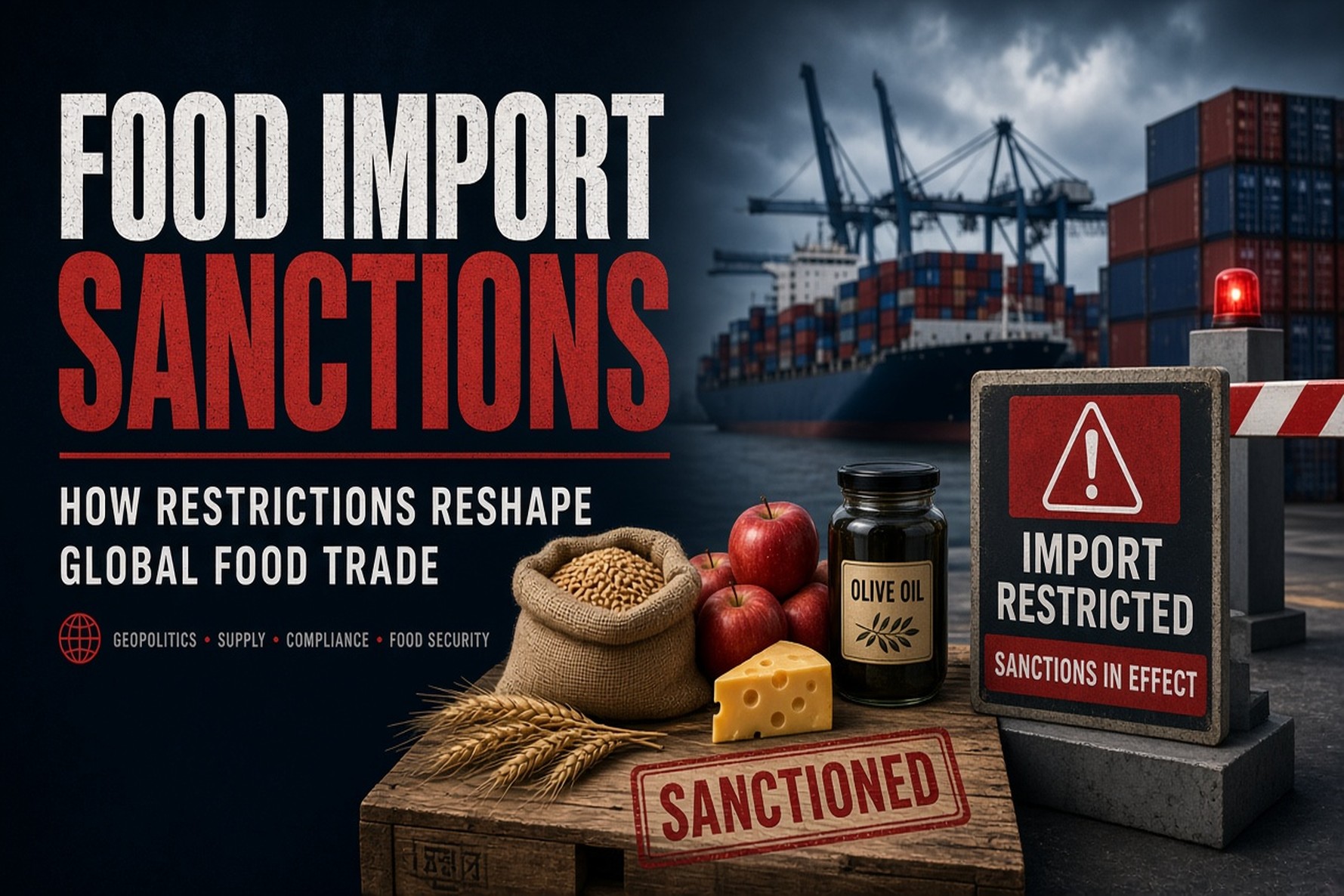
Strategic analysis of Iran’s imports of corn, soy, barley, crude oils and food intermediates under sanctions — dual FX halls, port demurrage, payment channels and IFDA compliance.
Showing 1–12 of 23 articles
Strategic analysis of Iran’s imports of corn, soy, barley, crude oils and food intermediates under sanctions — dual FX halls, port demurrage, payment channels and IFDA compliance.
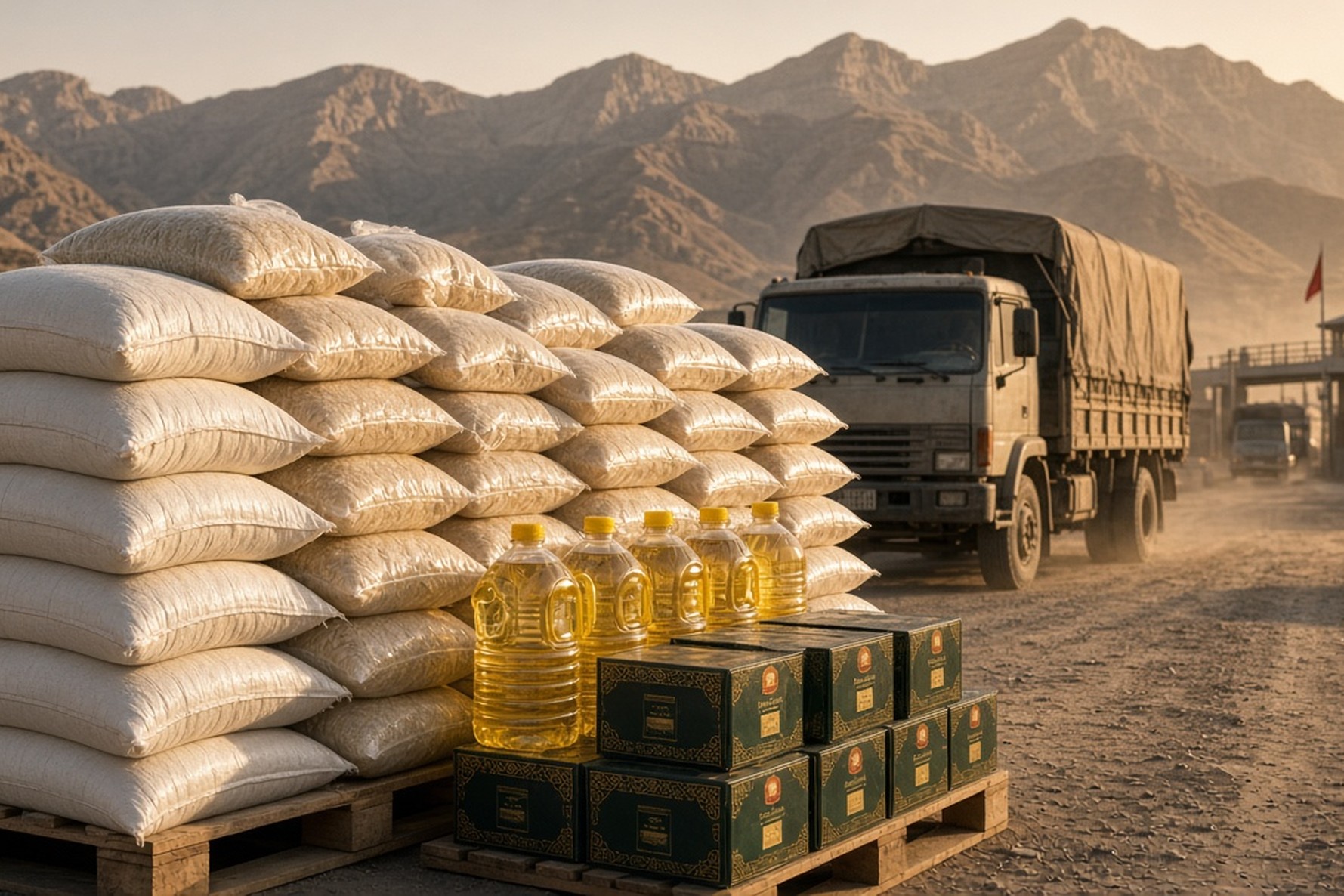
Comprehensive guide to Afghanistan food imports — high-demand products, Iran and Central Asia border routes, tariffs, regulations, documents and real landed costs for Iranian exporters.
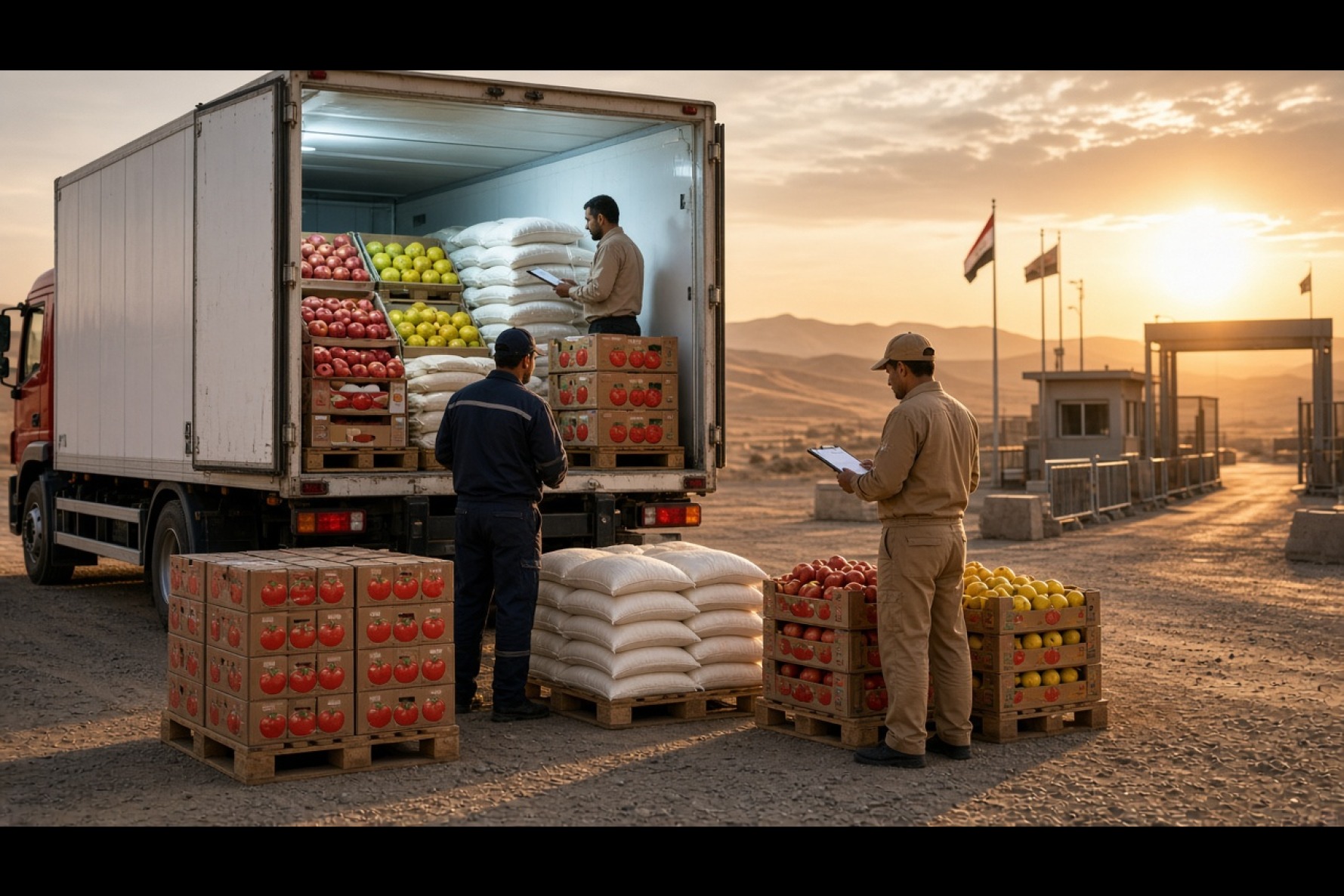
Iraq is one of the region's most important food import markets, but demand alone is not enough for successful entry. This report reviews market structure, borders, tariffs, conformity certificates and delivered cost.
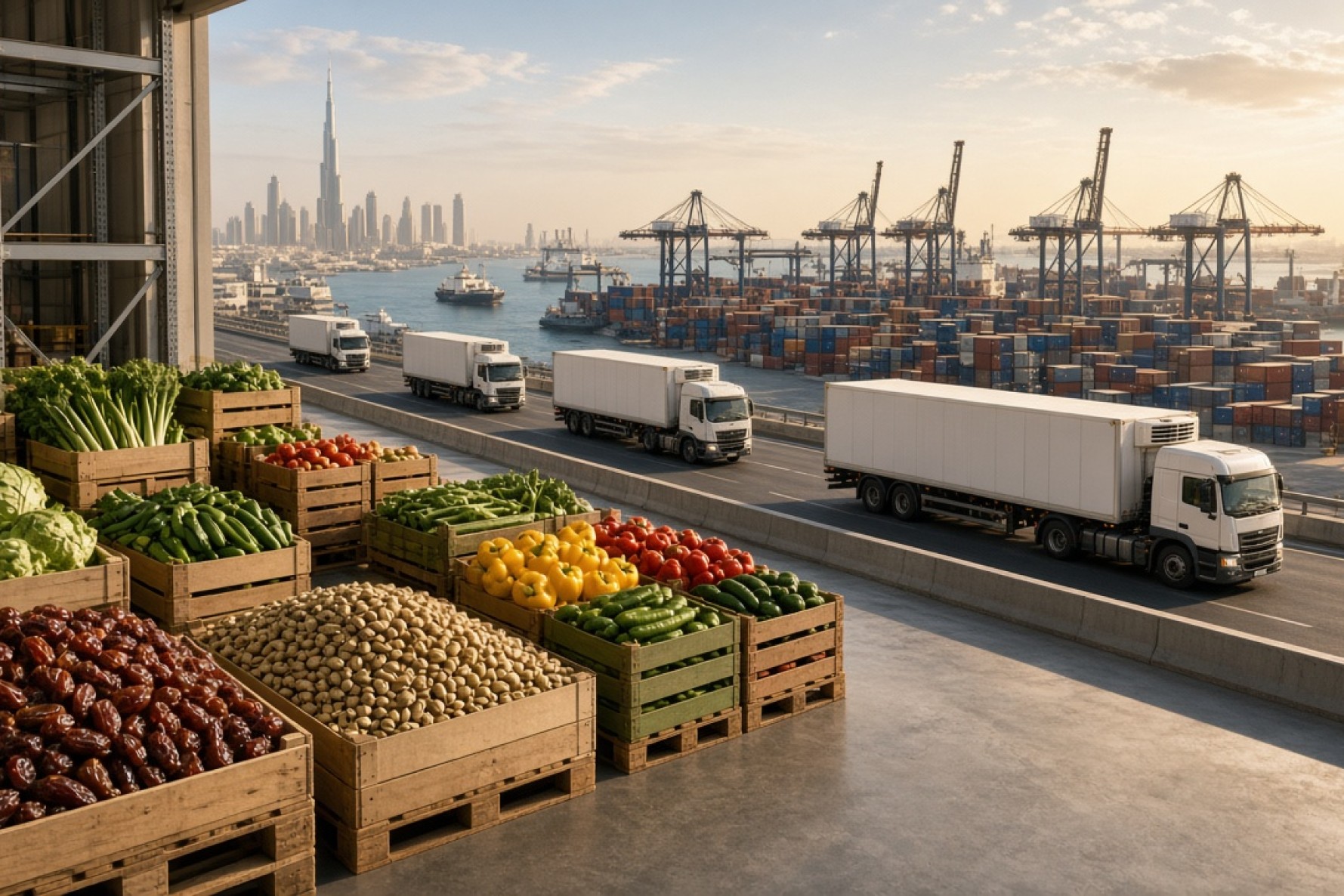
The United Arab Emirates is one of the region’s most import-dependent food markets and a key hub for distribution and re-export across the Persian Gulf. This report identifies which food categories drive import demand, which ports and borders goods enter through, and what importers must manage for product registration, customs, tax, labelling, health certificates and quality control.
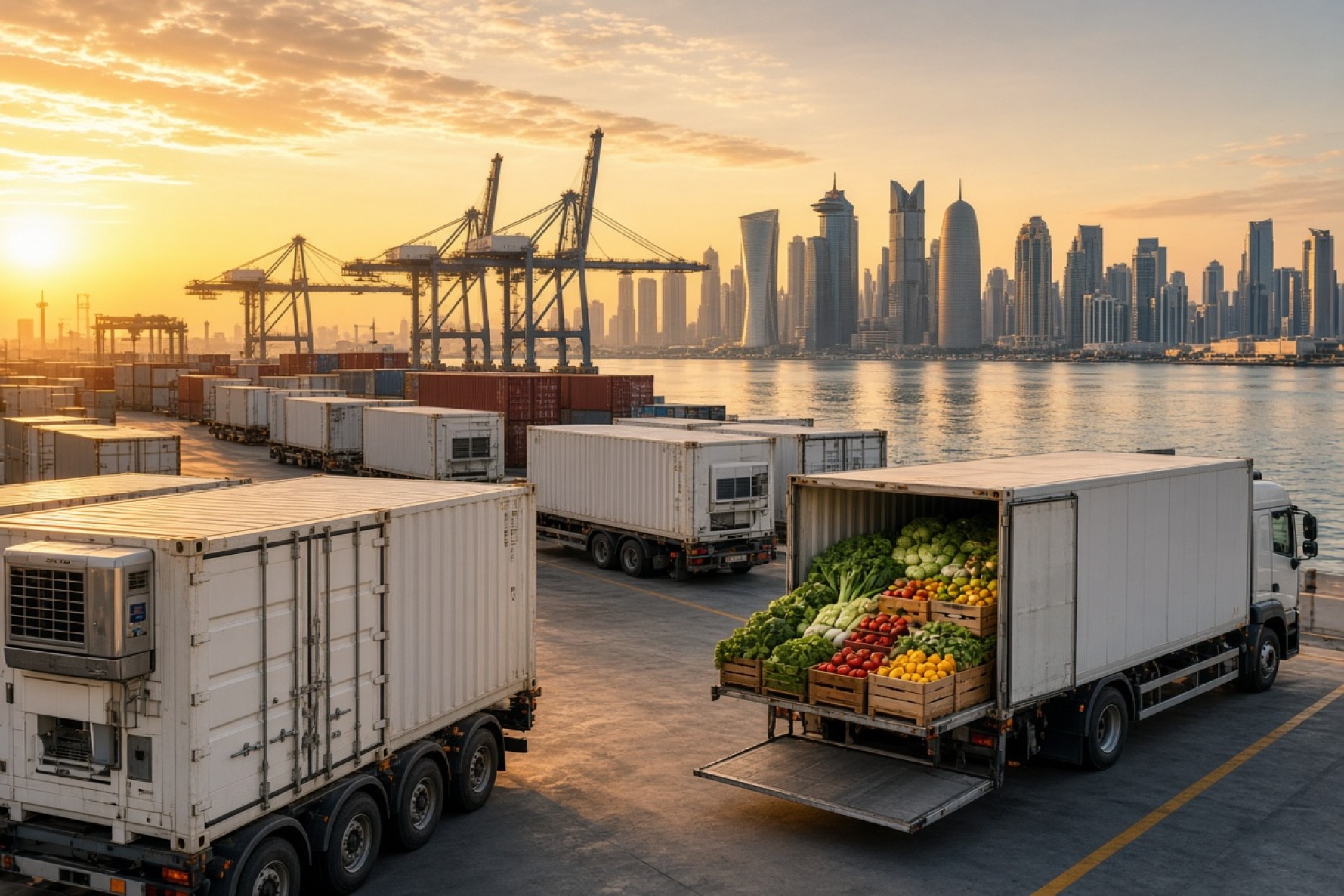
Despite domestic food production growth, Qatar remains reliant on international supply chains for many food categories. This report explains what Qatari importers buy most, which routes goods enter through, which health and customs requirements apply, and what Iranian exporters must control in product, packaging, transport and sales contracts to compete in this market.
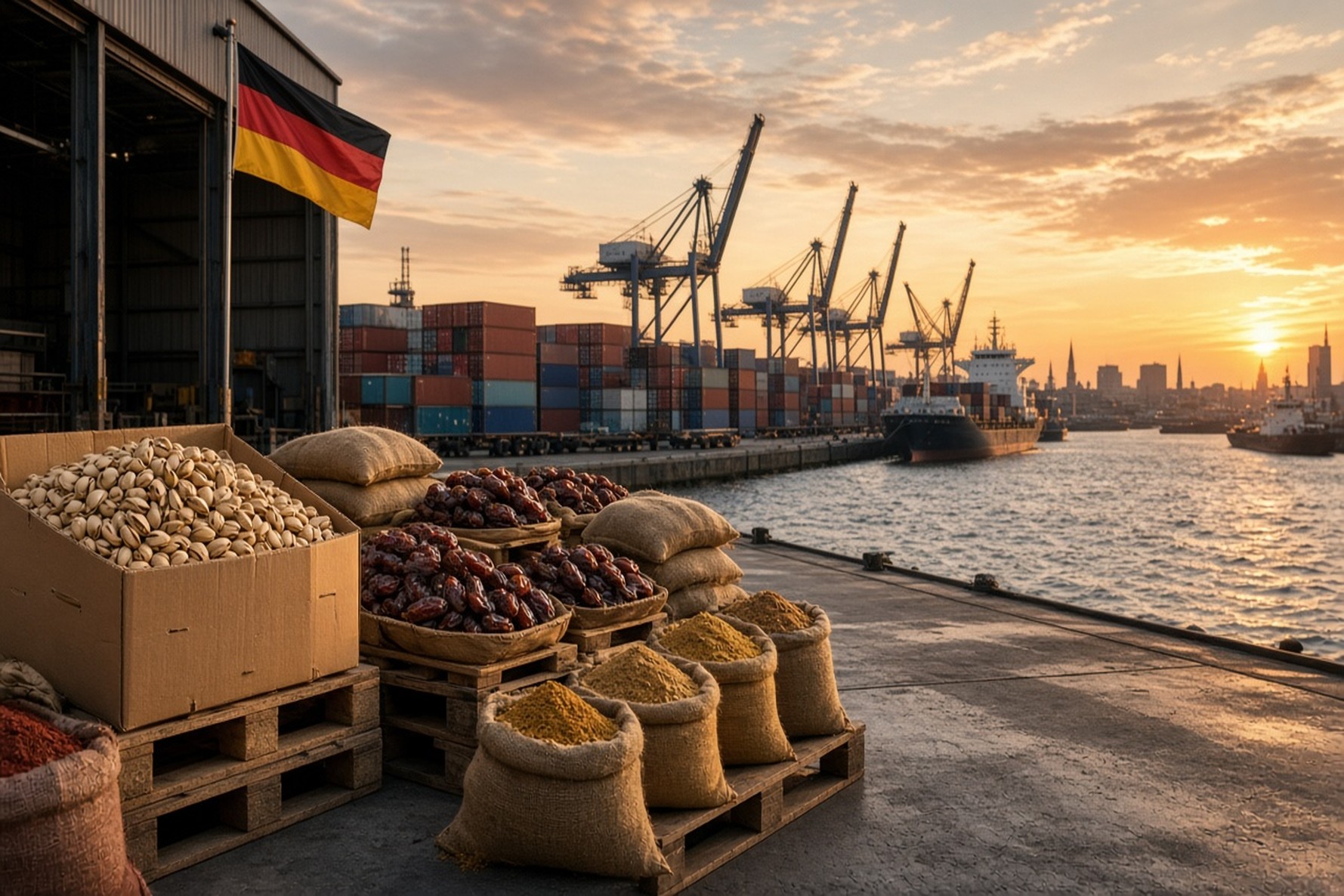
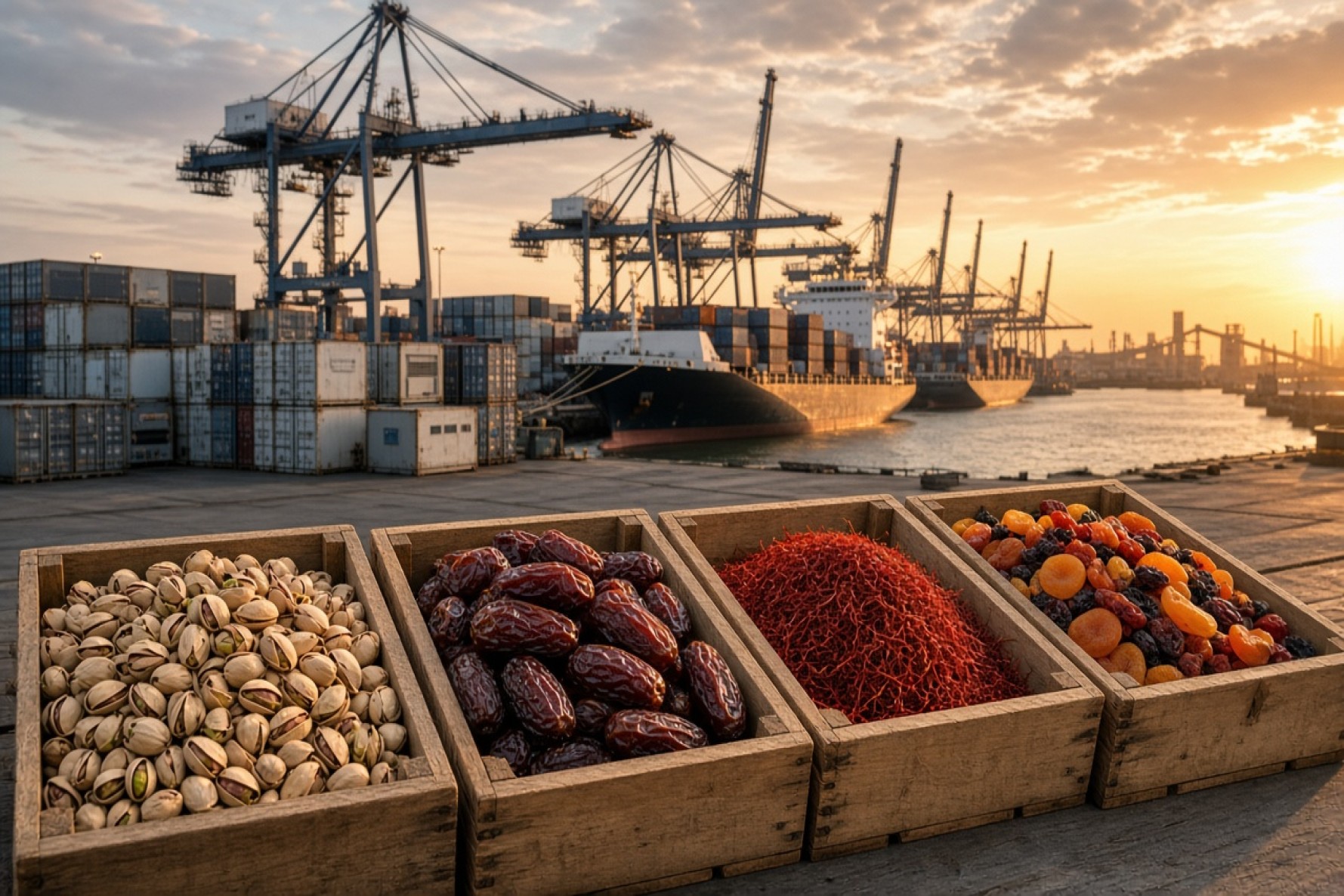
Germany imported about $91.9 billion in consumer-oriented agricultural products in 2024. This report reviews high-demand categories, Hamburg and Bremerhaven gateways, Regulation 2019/1793 for Iranian pistachios, TRACES, tariffs and VAT, and pistachio, saffron and date export opportunities.
Canada imported about CAD 75.4 billion in agricultural, food and seafood products in 2024. This report reviews high-demand groups, US borders, Port of Montreal, SFC licensing, bilingual labelling and Iran export opportunities.
Despite a strong agricultural sector, Australia is a major market for imported fruit and vegetables, processed foods, nuts, dried fruit, spices and seafood. This guide explains which products offer the best opportunities and what commercial, biosecurity, customs and food-safety steps a food shipment must pass to enter Australia legally.
France imported about €64.6 billion in food, beverage and tobacco products in 2025. This report reviews high-demand groups, European suppliers, Le Havre and Fos-sur-Mer gateways, Regulation 2019/1793, TRACES-NT and Iranian pistachio and saffron export opportunities.
Kuwait relies heavily on imports for its food basket. This report reviews high-demand groups, Shuwaikh and Shuaiba ports, land borders, PAFN rules, tariffs, documents and Iran export opportunities.
Despite a powerful food industry, Italy relies heavily on imports for cereals, feed, coffee, meat, seafood and tree nuts. This report shows which goods drive demand, how Brenner, France and ports like Genoa and Ravenna function, and what EU rules Iranian exporters must manage for pistachios, saffron and dried fruit.
Despite a large agricultural sector and food industry, Turkey relies heavily on imports for grains, oilseeds, edible oils, cocoa, coffee, rice, selected nuts and many food-industry raw materials. This report explains what Turkish importers buy, how goods enter, and what Iranian exporters must verify on customs, health, labelling and cost before shipment.