In This Article
The global halal food and beverage market exceeded $1.9 trillion in 2023 and is on a trajectory that analysts consistently project to surpass $3 trillion by 2028. For Iranian agricultural exporters — and for importers seeking to serve Muslim-majority and Muslim-minority markets — this growth wave represents a structural opportunity that is only beginning to be captured.
Why the Numbers Are Real
The Muslim global population is expected to reach 2.2 billion by 2030, making up approximately 26% of the world's population. Crucially, this population is young — median age significantly below the global average — and rapidly urbanising. Urban Muslim consumers have higher disposable incomes and stronger preferences for certified, branded food products over informal supply chains.
Fastest-Growing Markets
Southeast Asia
Indonesia, Malaysia, Bangladesh, and Pakistan collectively represent over 700 million Muslim consumers. The Indonesian government's mandatory halal certification law, fully implemented in 2024, has created enormous demand for certified supply chains. Iranian nuts, dates, and saffron are well-positioned here — but certification recognition is crucial. Indonesian halal certificates from MUI (Majelis Ulama Indonesia) and Malaysian JAKIM recognition are required for most product categories.
GCC — The Premium Segment
Saudi Arabia, UAE, Kuwait, and Qatar remain the highest-value export markets for premium Iranian food products. Consumer sophistication is high, willingness to pay for premium is established, and Iranian products — particularly saffron, dates, and pistachios — carry strong cultural cachet. The UAE functions as both an end market and a re-export hub to East Africa and South Asia.
Europe's Muslim Minority Markets
Germany (5.5M Muslims), France (6M), UK (4M), Netherlands (1M) and other European countries represent significant, often underserved halal markets. European Muslim consumers are increasingly affluent and demand certified products. Iranian nuts and dried fruits with European-compliant halal certification and EU-ready packaging can command meaningful premiums in ethnic grocery chains and mainstream halal sections of major supermarkets.
Product Categories With the Strongest Growth
- Premium dates: Gifting culture during Ramadan creates predictable annual demand spikes. Forward ordering 3–4 months before Ramadan is standard practice among experienced importers.
- Saffron: Used heavily in halal cuisines — Persian, South Asian, Middle Eastern — and increasingly in health supplements and functional foods.
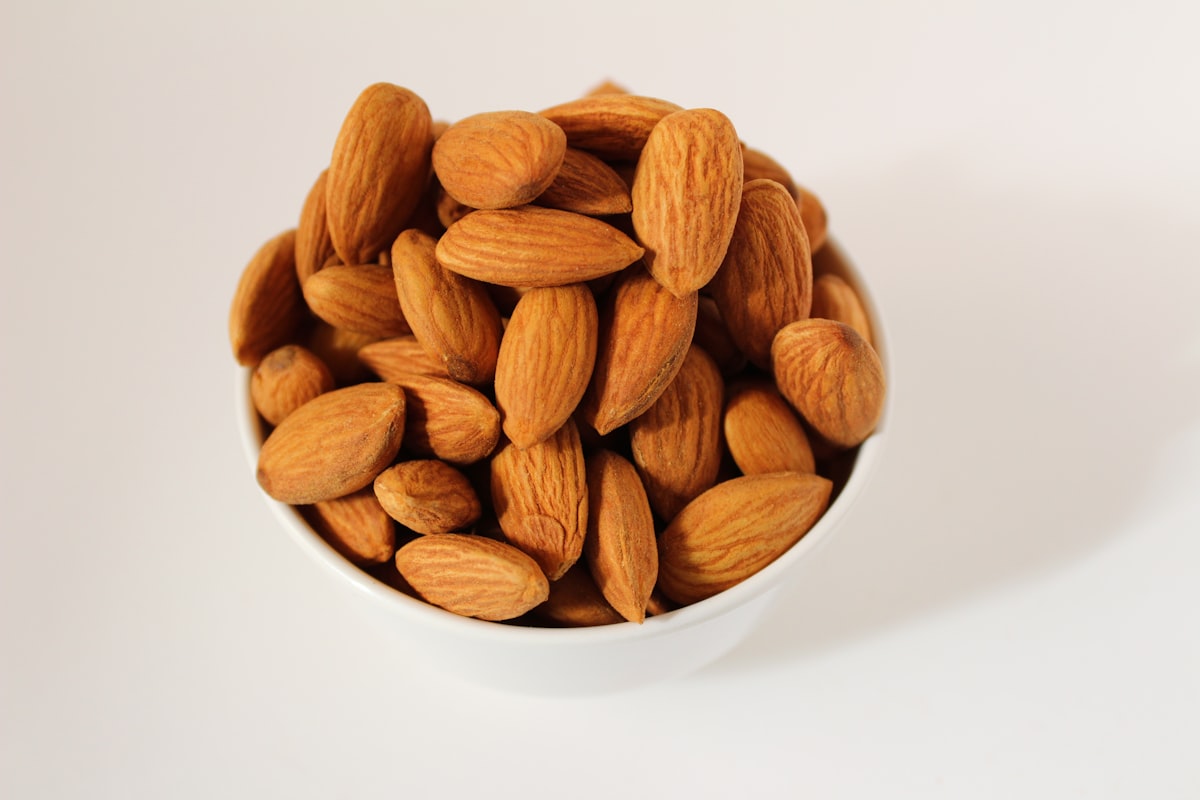
- Nuts and trail mix: Snacking culture in Muslim-majority markets mirrors global trends, and halal-certified nut products are a natural fit.
- Herbal teas and wellness products: Strong growth driven by health-conscious Muslim consumers seeking alcohol-free wellness products.
What Iranian Suppliers Offer That Others Don't
Iran is a Muslim-majority country where virtually all food production is inherently halal at source. This simplifies certification considerably compared to non-Muslim producing countries. Combined with Iran's geographic proximity to GCC markets, deep agricultural heritage in saffron and pistachios, and competitive pricing relative to comparable quality from other origins, the structural advantages are significant.
Action Points for Importers
- Audit your supplier's halal certificates: verify the certifying body is recognised in your target market
- Plan Ramadan inventory 4–6 months in advance — premium dates sell out consistently
- Consider private label halal-certified nut and dried fruit ranges for mainstream supermarket listings
- Explore e-commerce channels: halal food e-commerce is growing at 3x the rate of physical retail in Europe and North America
About the Author
IRANCO Editorial Team
Market Research · IRANCO Premium
A specialist in Iranian agricultural exports with deep expertise in sourcing, quality certification, and international trade logistics. Contributing to IRANCO's knowledge base since 2018.