 Iranco Magazine Team
Variant spec table, pastry rheology, INSO 6629 and B2B price inquiry
Ana · Labneh · B2B · HORECA
Kalleh Ana Labneh Cheese: Texture Analysis, Pastry Applications & Bulk Wholesale
A technical-commercial report for institutional buyers: separating Kalleh’s published data from industry assumptions, variant specification table, pastry rheology, fresh-cheese standards and RFQ guidance via Iranco.
From a dairy technology perspective, labneh is not simply a “softer breakfast cheese.” It sits between concentrated fermented milk and fresh cheese. Behaviour in pastry, cold sauces, dips, hotel breakfast and dessert lines depends on protein concentration, fat-to-dry-matter ratio, acidification intensity, draining method, mechanical stress, stabilisers and thermal history. Codex classifies labneh within concentrated fermented milks; technical analysis should start from an “acid concentrated protein gel” model.
Brand positioning and product family
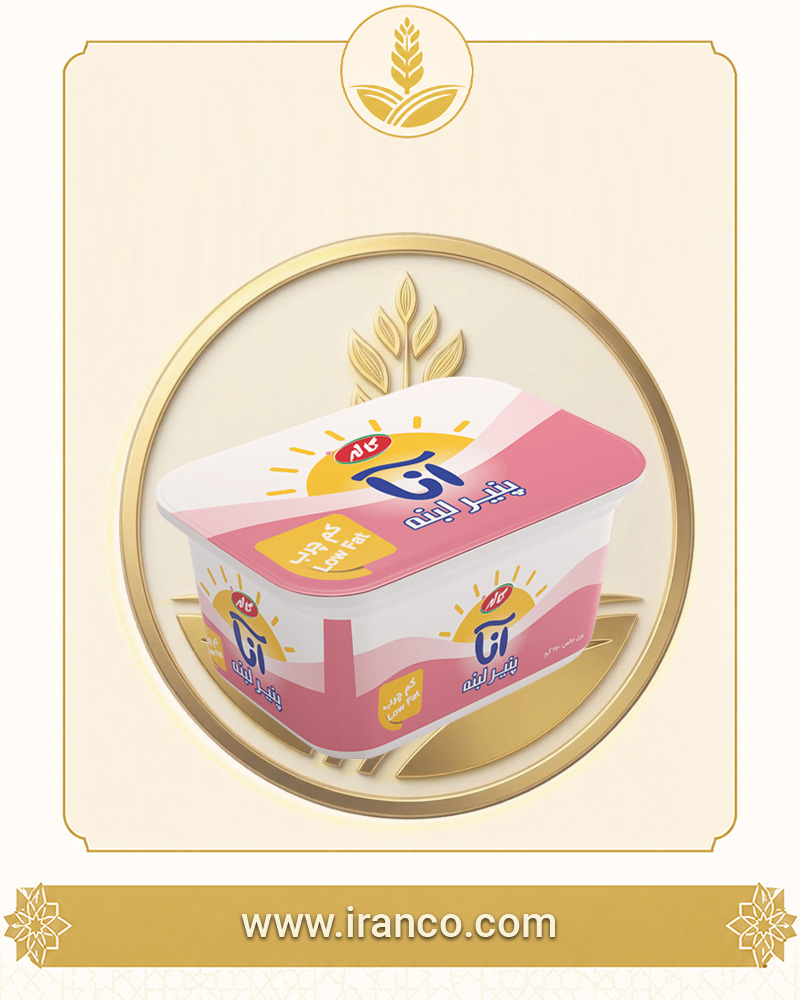
Ana sits in Kalleh’s dairy portfolio within Solico. Kalleh lists at least Classic, Turkish-style and low-fat labneh with separate official pages. Iranco’s catalog also lists Classic, Turkish, low-fat and a flavoured variant.
Kalleh’s official Classic page describes soft texture with 20% fat and 6% protein. Classic formula: 3% pasteurised milk, 40% cream, starter, salt and guar gum. Low-fat adds skim milk powder and guar gum. Turkish-style lists cheese culture but not guar gum in the published ingredient list — rheological behaviour should not be assumed identical across Ana SKUs.
For hotels or cake plants, “Kalleh Ana labneh” alone is insufficient: item code, fat level, variant, pack weight, production date and batch COA (for industrial use) must be specified on the PO.
Process engineering: UF, fermentation and protein gel architecture
Labneh is an acid concentrated protein system. Traditional production drains fermented yoghurt or milk after gel formation. Ultrafiltration (UF) is one industrial concentration route; studies show concentration method measurably affects rheology, microstructure and syneresis, and UF labneh does not necessarily match traditionally drained labneh.
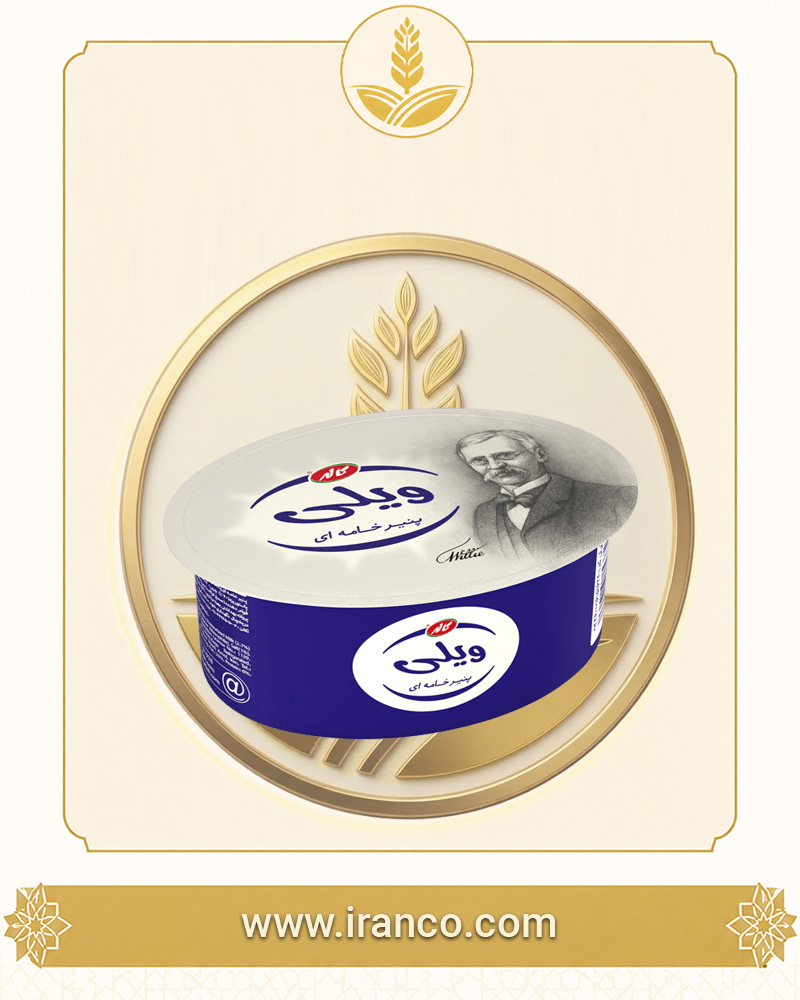
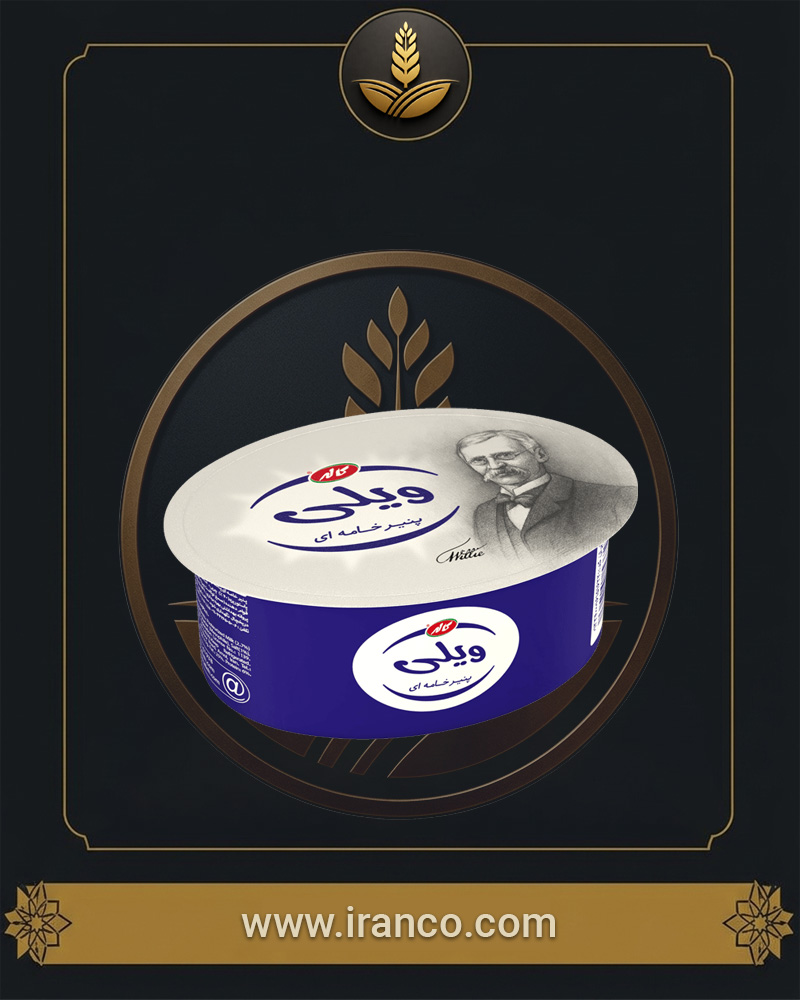
UF alone does not guarantee better texture; protein concentration and post-gel mechanical treatment are decisive. Severe cutting after gel formation can yield softer, grainier or phase-separating texture. Guar gum in Classic and low-fat may help continuous-phase viscosity, but Ana pages name “starter” without disclosing culture — Willi cream cheese’s mesophilic starter disclosure cannot be extrapolated to Ana.
Technical specification table — Ana labneh variants
| Variant | Fat | Protein | Energy/30g | Declared formula | B2B use |
|---|---|---|---|---|---|
| Classic | 20% | 6% | 64.08 kcal | 3% milk, 40% cream, starter, salt, guar gum | Cheesecake, dip, savoury cream, breakfast |
| Turkish-style | ~18% | Not published | 60 kcal | Milk, cream, cheese culture, salt, starter | Dip, cold sauce, hotel buffet |
| Low-fat | ~12% | Not published | 46.8 kcal | Milk, cream, skim powder, guar, starter, cheese culture | Light menus, dip, lighter desserts |
| Single-serve | Variant-dependent | Variant-dependent | Per SKU sheet | Pack format, not new formula | Buffet, airline, hospital |
pH, titratable acidity and dry matter are not on public pages. Filling gaps with “typical labneh” values for factory contracts is a QC error — obtain them from batch COA or lab sampling.
Texture and rheology in pastry, bakery and HORECA
For pastry chefs, labneh is a viscoelastic structured material, not thick liquid. Refrigerated spreadability depends on fat, protein gel strength, dry matter, hydrocolloid and temperature. On automated filling lines, pumpability tests on real batches beat sensory “soft and creamy” descriptions.
In cheesecake, 1:1 substitution of Classic labneh for Willi cream cheese can change perceived acidity, firmness, syneresis and creaminess. Sound industrial practice: three-level pilot with increasing labneh share, then bake loss, height, surface cracking, free moisture and sensory scoring — not a single universal ratio.
Full mascarpone replacement changes fat, melt behaviour, mouthfeel and moisture balance. In cold dips and sauces, fermented acidity plays both creamy base and flavour role; final sauce must be evaluated on the actual mixer, temperature and hold time.
National standards, microbiology and cold chain
Iranian standard 2344 should not be casually cited as “fresh cheese and labneh.” The official INSO table lists fresh cheese under national standard 6629 with titratable acidity, pH, salt, protein, fat and moisture tests. Contracts should state exact product name, applicable standard, version and acceptance limits.
- Storage: Iranco catalog lists 1–4 °C for some Ana items; official shelf life 90 days.
- Delivery: receiving SOPs should cover delivery temperature, door-open time and seal integrity.
- Sensitive contracts: Listeria criteria based on HACCP and buyer risk assessment — not mis-attributed to INSO 6629 rows.
Packaging and shelf life
Kalleh does not publish film layer structure, oxygen transmission or FFS details. Iranco’s catalog notes industrial plastic tubs for Turkish-style and consumer or lidded packs for other lines. Ninety-day shelf life is real; attributing it solely to aluminium foil or vacuum is scientifically unsound.
30 g portions simplify buffet portion control; large tubs reduce pack cost per kilo for central kitchens. Format choice should follow inventory turnover speed.
FAQ
How does Ana labneh differ from Willi cream cheese in heat?
No official thermal rheology data is published. Matrix and acidity differences can affect cheesecake texture — run a comparative bake test on your line.
How to prevent grainy texture in acidic sauces?
Acid, salt, heat and shear shift the protein network. Add acid gradually under controlled mixing; Turkish-style without guar may behave differently.
Can Ana labneh fully replace mascarpone?
No 1:1 expectation; mascarpone is cream-driven, labneh is more acidic fermented matrix. Pilot with defined product goals (cost, fat reduction, flavour).
How to set bulk terms for single-serve and tub packs?
Base on same-day stock inquiry, MOQ, production date and delivery city — not online retail unit price. State variant, pack format, monthly volume and cold-chain requirement in the RFQ.
Bulk procurement guide at Iranco
True ingredient cost includes purchase price, waste, remaining shelf life at delivery, cold storage, post-opening use speed, batch consistency and formula yield. Price inquiry must specify variant, pack format, order volume and delivery location together.
Professional RFQ example: “Kalleh Ana labneh, Classic or Turkish variant, stated monthly volume, preferred single-serve/industrial pack, delivery city, cold transport required, minimum remaining shelf life, COA if available.”
Summary: Classic at 20% fat with guar gum for body and creaminess; low-fat follows a different formulation path; Turkish with cheese culture is a separate SKU. None replaces real line trials, but published data is a safer starting point than undocumented UF or pH claims.
Featured Products




Related Articles



