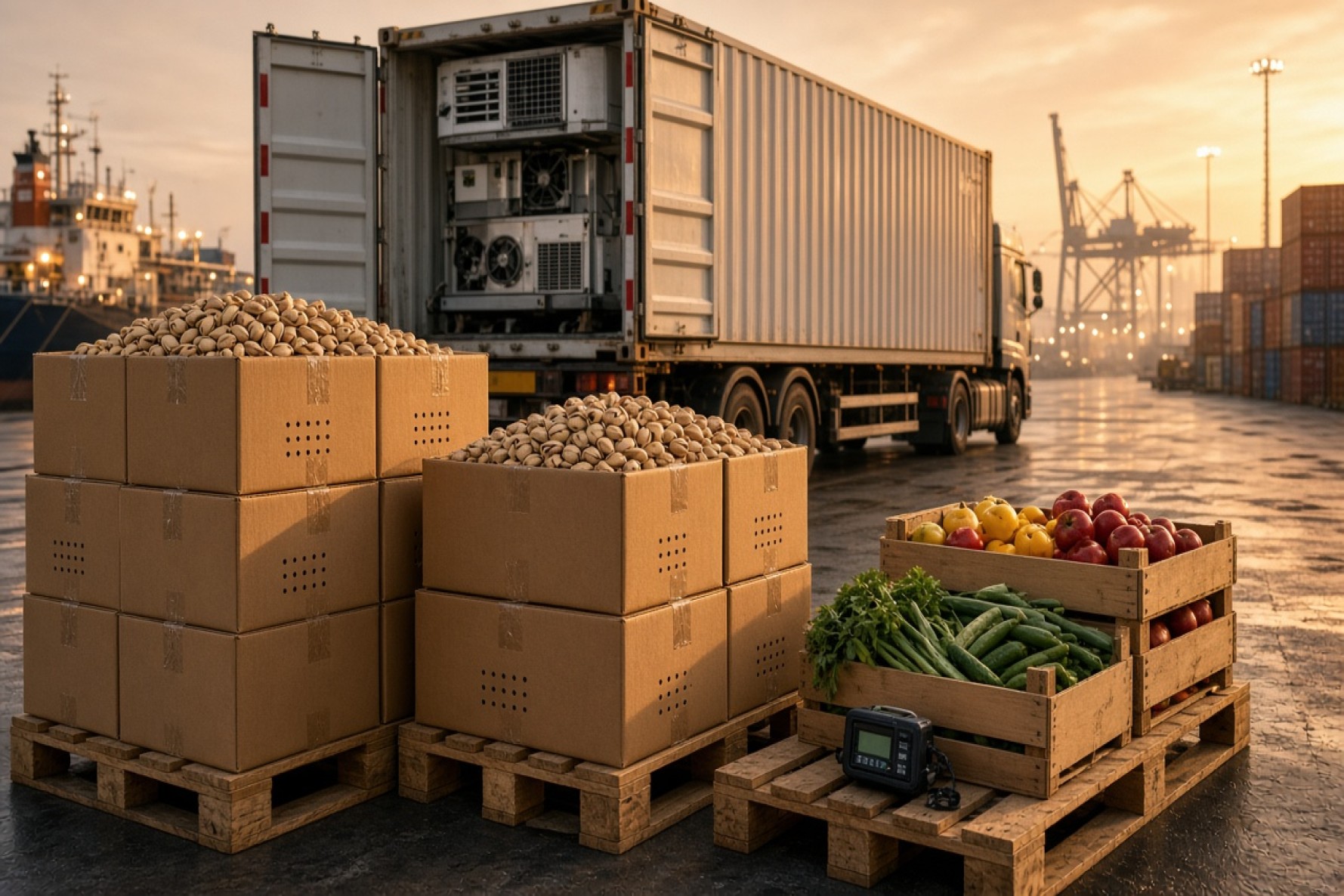
Common Mistakes by Iranian Food Exporters That Cause Loss of Foreign Buyers
Deep trade analysis shows most lost foreign buyers stem from post-production, packaging, MRL, cold-chain and vague contracts — with importer checklists and practical fixes.
Showing 1–12 of 12 articles
Deep trade analysis shows most lost foreign buyers stem from post-production, packaging, MRL, cold-chain and vague contracts — with importer checklists and practical fixes.
Iraqi Kurdistan is an urban market of over 6.5 million people with direct land access to Iran. This guide explains suitable food categories, distribution entry, and customs, health and packaging requirements for Iranian exporters.
No single country is the best destination for every Iranian food product. The right market is chosen when real demand, product fit, freight cost, standards, payment collection and competition are reviewed together. This guide analyses Iran’s main food export markets and gives exporters a practical framework for choosing a target country.
The right export market is not always the largest importer. This guide shows a practical way to assess demand, tariffs, SPS/TBT, competition, logistics, Iran export rules and real buyers.
The UK imported about £67.8 billion of food in 2025. Successful entry of Iranian pistachios, saffron and dried fruit depends on IPAFFS, aflatoxin control, English labelling, BCP rules and sanctions screening — a practical export guide.
Iraq is a top regional market for Iranian food, but success is not just geography — product group, import calendar, quality, packaging, borders and freight/customs duties separate one-off sales from durable trade.
Practical guide to finding foreign buyers for Iranian food exports: international marketing, credit verification, sanitary standards, packaging, logistics and contracts.
Analysis of Iranian food exports to UAE, Oman, Qatar, Kuwait, Saudi Arabia and Bahrain — GSO labelling, SABER, ZAD, QC and reefer logistics.
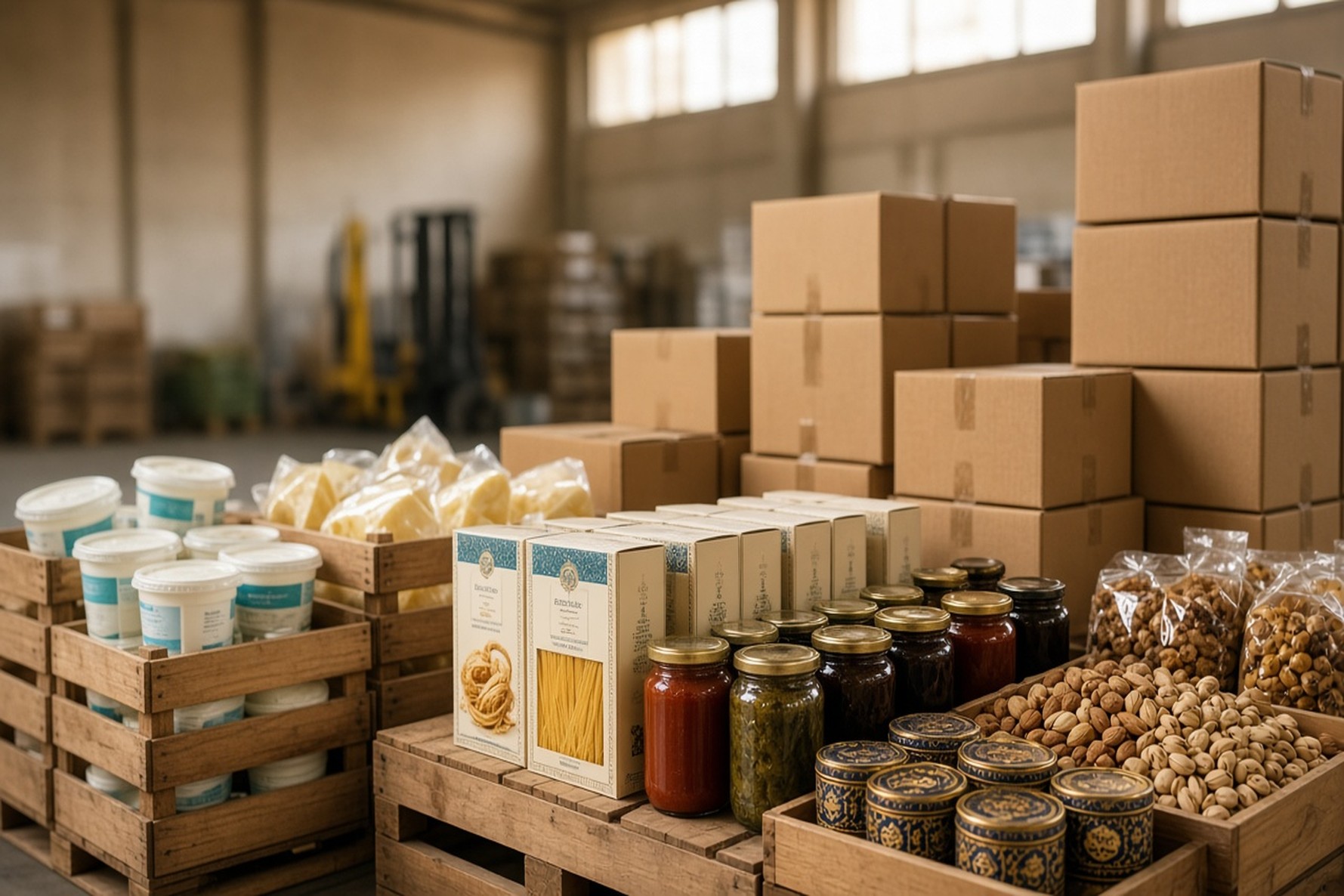
Expert report on quality differentiation, cost structure, destination-market standards and bulk procurement risk for Iranian food — from nuts and aseptic paste to dairy and seafood.
Four-stage market funnel, HS analytics, EAEU FTA, GSO 9, China CIFER and cold-chain logistics — a data-driven roadmap for Iranian food exports.
A strategic review of wholesale and distribution in Iraqi Kurdistan, KSQCA and IQS 230 requirements, Iranian product advantages and ways to cut logistics and financial risk.
A review of Iran’s key food export brands — from Kalleh and Mihan to Zar Macaron, Mahram and Novin Saffron — with criteria for quality, delivery, packaging and assortment choice.