 Iranco Magazine Team
A buyer’s guide to dairy, sweets, pasta, canned goods, condiments and saffron suppliers
Brand Guide · Food Export
Leading Iranian Food Export Brands: From Known Names to Competitive Advantages in Global Markets
Iran’s food industry spans dairy, confectionery and chocolate, pasta, canned goods, condiments, beverages, saffron and dried nuts. Among these producers, export-ready brands are those that combine product quality with reliable production, suitable packaging and real knowledge of destination markets.
A brand endures abroad when consumers repurchase and distributors trust the supplier for the next order. Understanding Iran’s leading food export brands matters for importers, distributors, retail chains, foodservice buyers and traders.
Each brand is strong in a defined product group, and each product needs a different sales path, logistics setup and customer. Industrial cheese, gift chocolate, tomato paste and packed saffron are all food goods — but their trade logic is not the same.
Iranian brands draw on two strengths: diverse raw materials and food culture, plus industrial experience serving a large domestic market. This article reviews known names by product, commercial use and competitive capacity so supplier choice becomes a professional decision.
What makes a food brand a serious export name?
Export strength comes from several abilities together. Quality is the entry ticket; for lasting cooperation, that quality must repeat on later orders. Foreign buyers expect colour, taste, weight, texture and appearance to match the approved sample.
- Reliable delivery — stores, restaurants and factories plan around arrival times.
- Product–market fit — pack size, label language, closures and units per carton.
- Clear commercial communication — quotes, lead times and complaint handling.
- Justifiable price alongside repeatable quality and responsive partnership.
Kalleh and the Solico Group: assortment depth and distribution
Kalleh is a flagship Iranian food brand within the Solico Group. Dairy, cheese, desserts and products for home and professional use shape its identity. Solico manages brands across dairy, food, beverages and frozen categories, building international presence on production and distribution networks.
Assortment diversity enables cooperation with several customer types. Retail needs family packs; restaurants and bakeries care about performance in food preparation. Wholesale evaluation of Kalleh should therefore be SKU-specific — breakfast cheese and industrial kitchen cheese are different buys. Destination cold-chain quality is decisive for dairy brands.
Mihan: consumer insight in dairy and ice cream
Mihan is a well-known Iranian name in ice cream and dairy. Despite shared raw materials, the two categories follow different trade models. Ice cream depends on frozen logistics; dairy shipping and shelf life vary by process and pack.
Importers with frozen storage, suitable fleet and access to equipped stores need a different structure than dry-goods importers. Brand fame opens the door; temperature, inventory and distribution make sales repeatable.
Pegah: an industrial view of the dairy chain
Pegah is a long-standing dairy name linked to Iran’s milk industry companies. Brand and producing unit should be assessed together — specs, plant location, packaging and supply capacity all matter. Dairy is not only retail fridge items; industrial dairy ingredients are a major part of the chain. Sampling must match the buyer’s real application.
Ramak: retail dairy and industrial powders
Ramak’s portfolio includes cheeses, yogurt, dairy drinks, butter, cream and powder products. That dual footprint suits both retail and industrial supply. Packaged cheese is judged by taste, size and consumer price; dairy powders need technical specs, storage conditions and formula fit. Iran’s dairy capacity sits in finished goods and ingredients alike.
Shirin Asal: scale in biscuits, cakes and chocolate
Shirin Asal is a leading Tabriz food group known for biscuits, cakes, wafers, chocolate and industrial sweets, with a strong export footprint. A wide range can cover daily snacks, hospitality, family buys and gifts — but each SKU needs a clear role. Carton count and cube matter; purchase price should be read with carton size and loadability.
Shoniz: sweet and hospitality assortment
Shoniz (Dadash Baradar) is a known Iranian confectionery and chocolate brand covering chocolate, toffee, candy, wafers, biscuits, gum and hospitality packs. Split everyday and gift demand: everyday needs accessible price and steady supply; gift packs also sell on pack look and content variety. Order timing before peak seasons is critical.
Aydin: hospitality products in food trade
Aydin is a recognised Iranian chocolate and sweets brand for chocolate, toffee, candy and hospitality lines. Appeal abroad comes from taste, appearance and pack price. Separate net edible weight from packaging weight. Sampling and in-store display help introduce this category in new markets.
Anata: turning assortment into a focused mix
Anata belongs to Iran’s known confectionery brands. Variety must become a deliberate mix: steady sellers, flavour variety and a few attention SKUs. Carton strength matters for fragile products. Weight, pack dimensions, units per carton and lead time should be negotiated together.
Farmand: chocolate, desserts and professional use
Farmand is known for chocolate products, chocolate spread, jelly powder, cake mix and related items for home and foodservice. Retail cares about pack look and ease of use; professionals care about yield and recipe fit. Clear usage instructions improve first-time success. Decide whether the core audience is households or professionals before locking the assortment.
Zar Macaron: grain-based everyday pasta
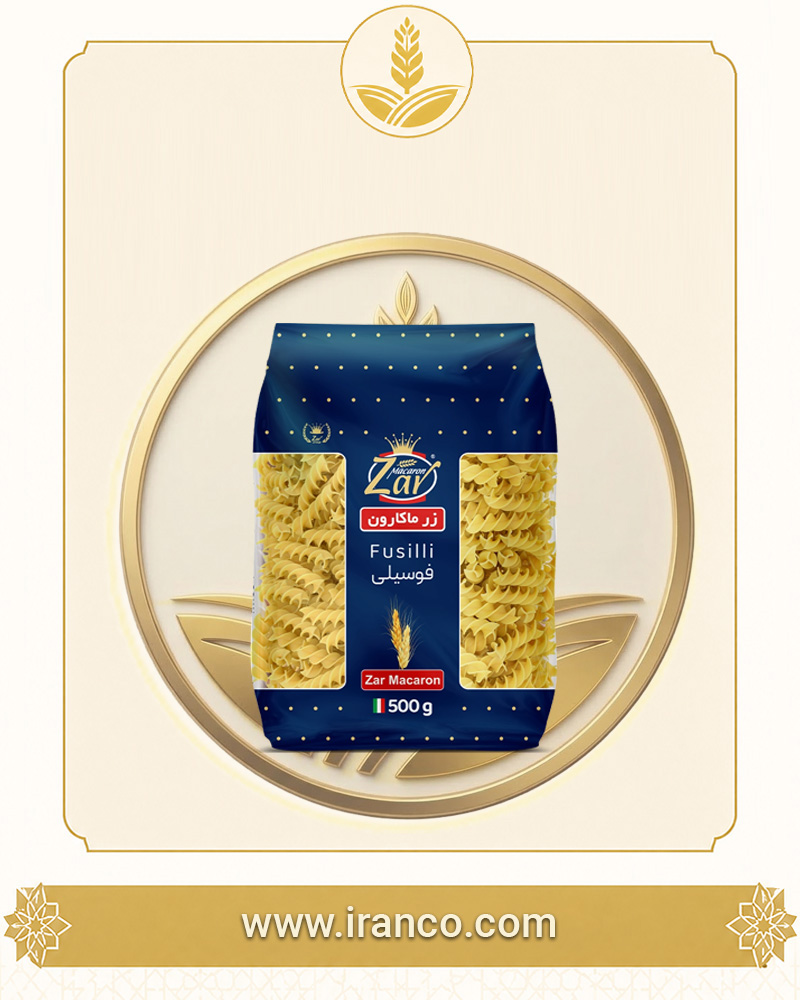
Zar Macaron is a leading Iranian pasta brand, emphasising semolina-based production and export credentials within the Zar industrial group. Dry pasta is everyday food — cooking quality and accessible price drive repurchase. Shape choice (long-cut, short-cut, lasagna) matters, as do moisture and breakage protection in transit.
Tak Macaron: shapes and use cases
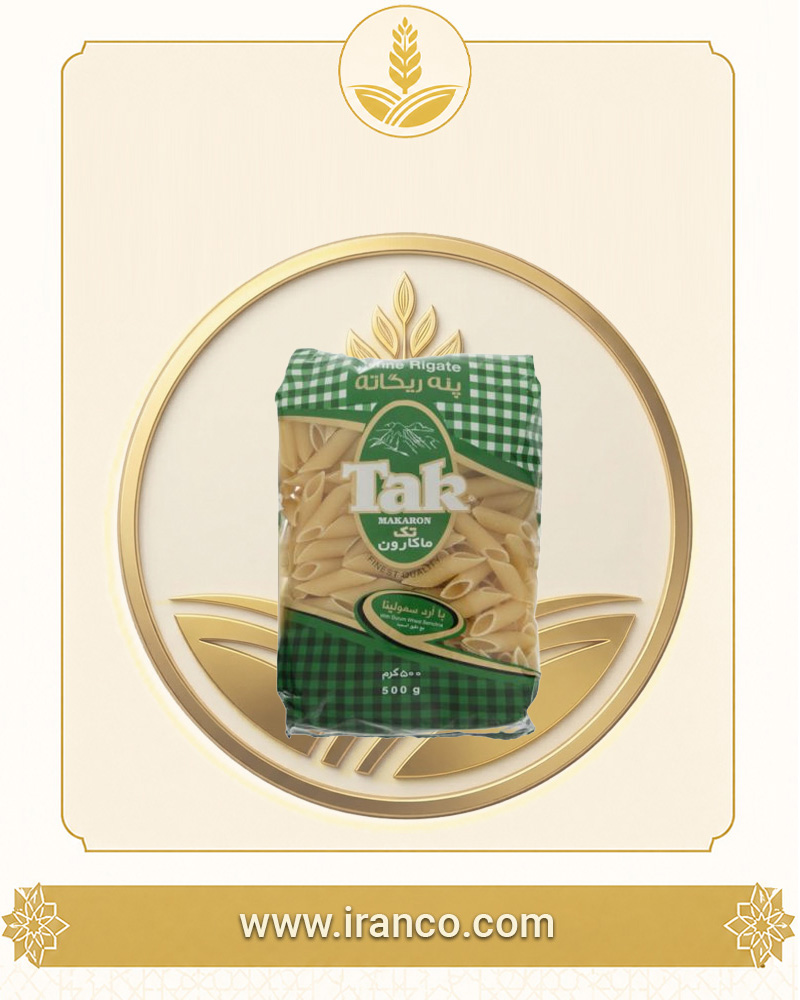
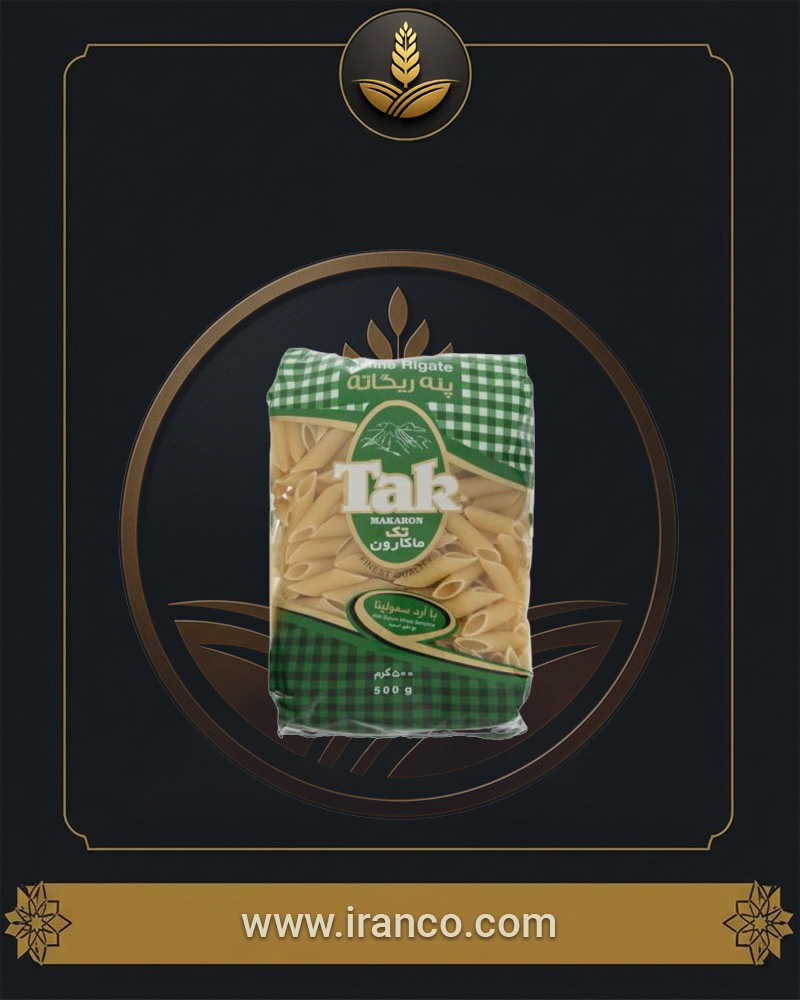
Tak Macaron is a known Iranian pasta brand serving domestic and global markets with long-cut and short-cut pasta, lasagna and related foods. Shape variety serves different kitchens. Packaging that shows the dish, cook time and serving tips helps consumers. Expand the range in stages: high-use shapes first, specialty items later.
Mana: competing on cooking experience
Mana is a familiar Iranian pasta name. The core commercial question is whether cooking quality matches consumer expectation. Sample tests should mirror the target market’s method. Restaurants need consistency across reorders. Successful pasta trade starts with a brand name but is built by product trials and a sales plan.
Yek-o-Yek: shelf-stable foods and Iranian cooking
Yek-o-Yek (Dasht Morghab) is a long-established Iranian food brand covering canned goods, condiments, sauces, jams and drinks. Some items are cooking ingredients; others sit beside the meal. Familiar names help Iranian stores abroad; new consumers need clear usage cues. Glass vs tin vs other packs must balance freight cost and display.
Sahar: condiments and processed foods
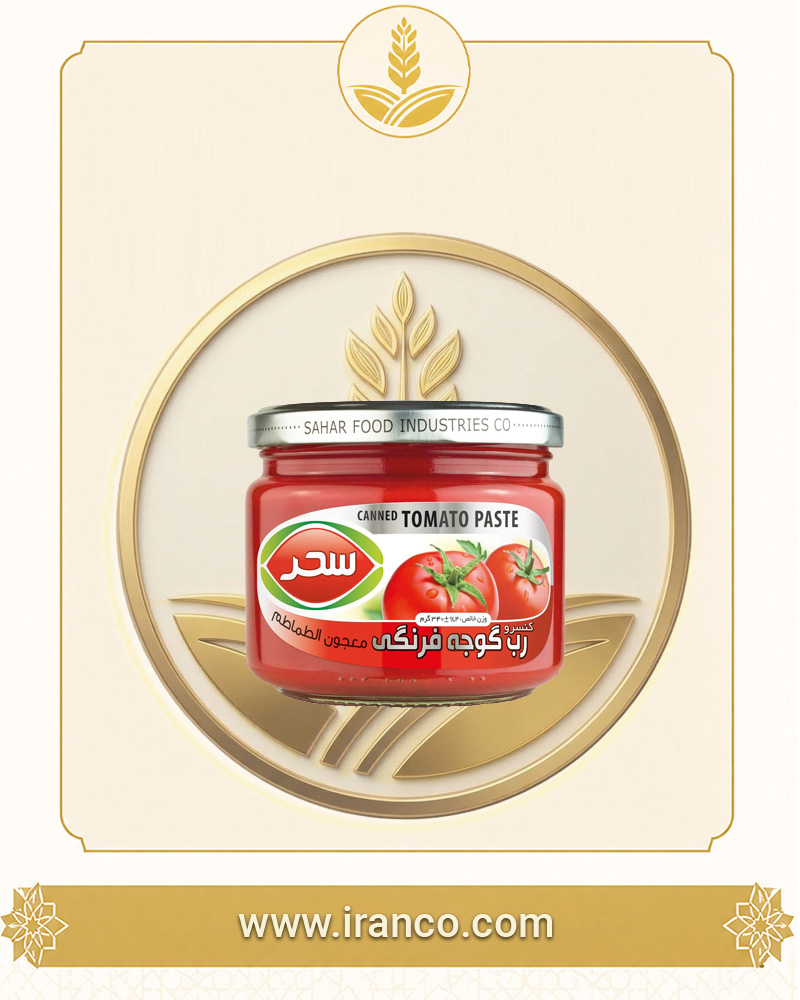
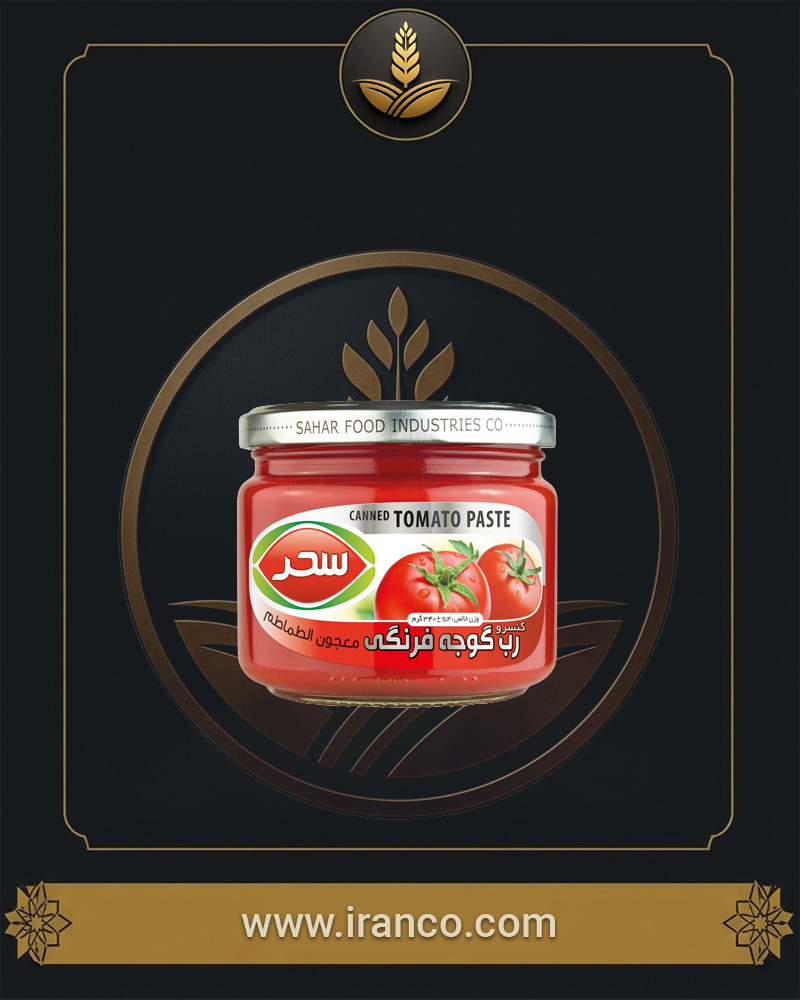
Sahar Food Industries is known for processed foods, condiments and canned products. Assess by specific SKU — paste, jam, pickle and sauce serve different customers. Taste fit, pack integrity and simple usage demos drive repeat purchase abroad.
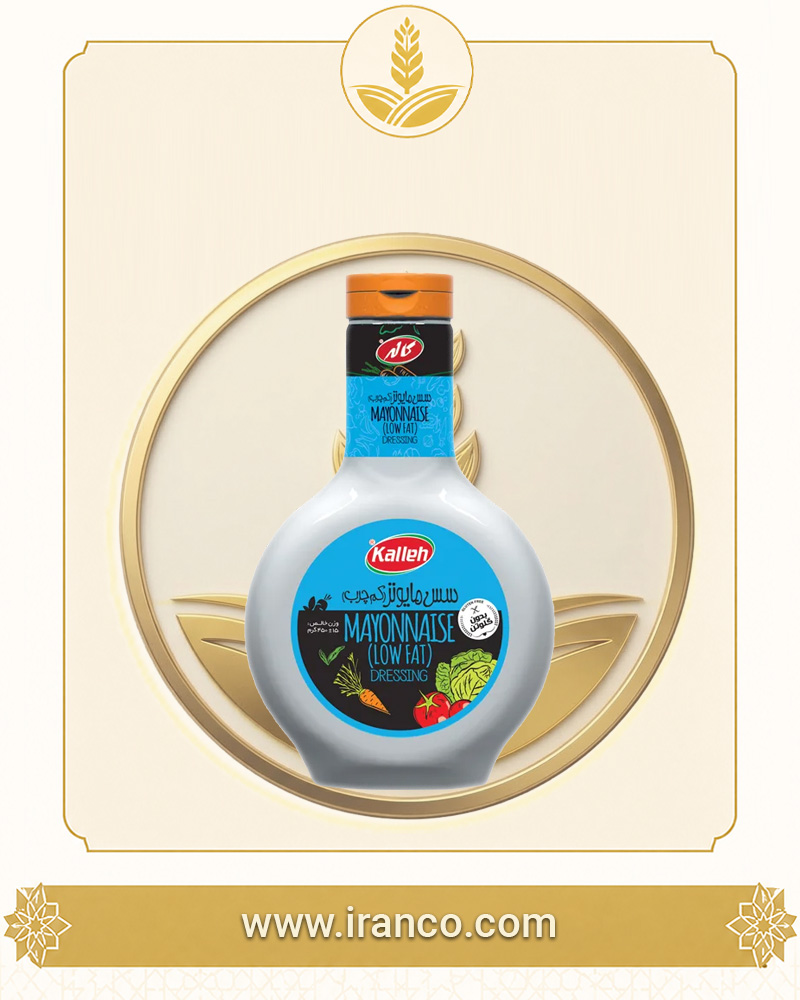
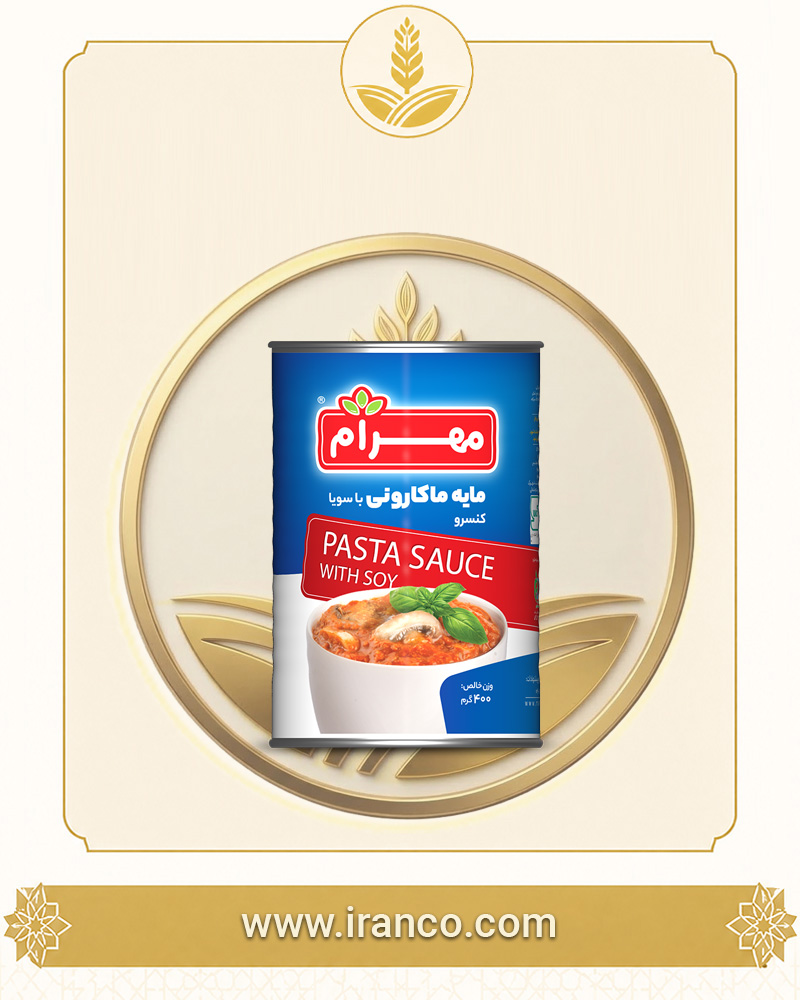
Mahram: sauces and condiments for home and HORECA
Mahram is a classic Iranian sauce and condiment brand for households and foodservice. Home buyers care about taste, ease and pack size; restaurants care about portion yield, behaviour in dishes and supply stability. Separate retail and foodservice programmes improve negotiation and service.
Behrouz: familiar flavours for Iranian cuisine abroad
Behrouz is linked to sauces, condiments and processed foods. For diaspora markets, brand memory helps first trials; for general markets, clear use cases matter more. Align order volumes with sell-through so slow movers do not tie up capital needed for core SKUs.
Novin Saffron: turning a premium crop into a branded good
Novin Saffron is a specialist name in Iran’s saffron chain, offering packed retail, wholesale, gift packs and related items. Home, restaurant, specialty retail and gift channels need different weights and presentations. Trust in authenticity and quality consistency is central; small packs enable trial, gift packs sell cultural presentation.
Saharkhiz: saffron, souvenirs and purchase experience
Saharkhiz is known for saffron and edible souvenirs. Buyers weigh quality, brand authenticity, pack look and suitability for cooking or gifting. Culinary use emphasises grade and unit price; gift paths emphasise design and product story. Keep usage guidance simple in new markets.
Comparing main groups for an export assortment
Brands compare best within a product group. Comparing a saffron producer with a dairy plant does not help a purchase decision. The table below shows commercial logic by category.
| Product group | Sample brands | Primary customer | Evaluation focus |
|---|---|---|---|
| Consumer dairy | Kalleh, Mihan, Pegah, Ramak | Retail & distribution | Cold chain, taste, shelf life |
| Dairy ingredients | Dairy groups & specialist units | Factories & food producers | Technical specs & lot consistency |
| Sweets & chocolate | Shirin Asal, Shoniz, Aydin, Anata, Farmand | Wholesale & retail | Taste, pack price, visual integrity |
| Pasta | Zar, Tak, Mana | Retail, restaurants, catering | Cooking quality & final price |
| Canned & condiments | Yek-o-Yek, Sahar, Mahram, Behrouz | Retail & professionals | Taste, container, use case |
| Saffron | Novin Saffron, Saharkhiz | Specialty, restaurants, gifts | Authenticity, quality, pack size |
Dried nuts and dates: brand names are not the whole market
Beside factory brands, dried nuts and dates form a large part of Iran’s food trade. Much business runs through processors, packers and bulk suppliers whose names may not appear on the final consumer pack. Sorting, grading, cleaning, packing and consistent delivery matter more than shelf fame alone.
How destination markets change brand and product choice
Know the market before locking the assortment — city, store type, purchasing power and customer group matter as much as country name. Iranian retail abroad favours familiar products; hospitality and tourism markets elevate professional buyers. On long routes, remaining shelf life after transit must leave enough sell time. Factory price only makes sense after freight, storage, distribution and margin.
How export packaging supports sales
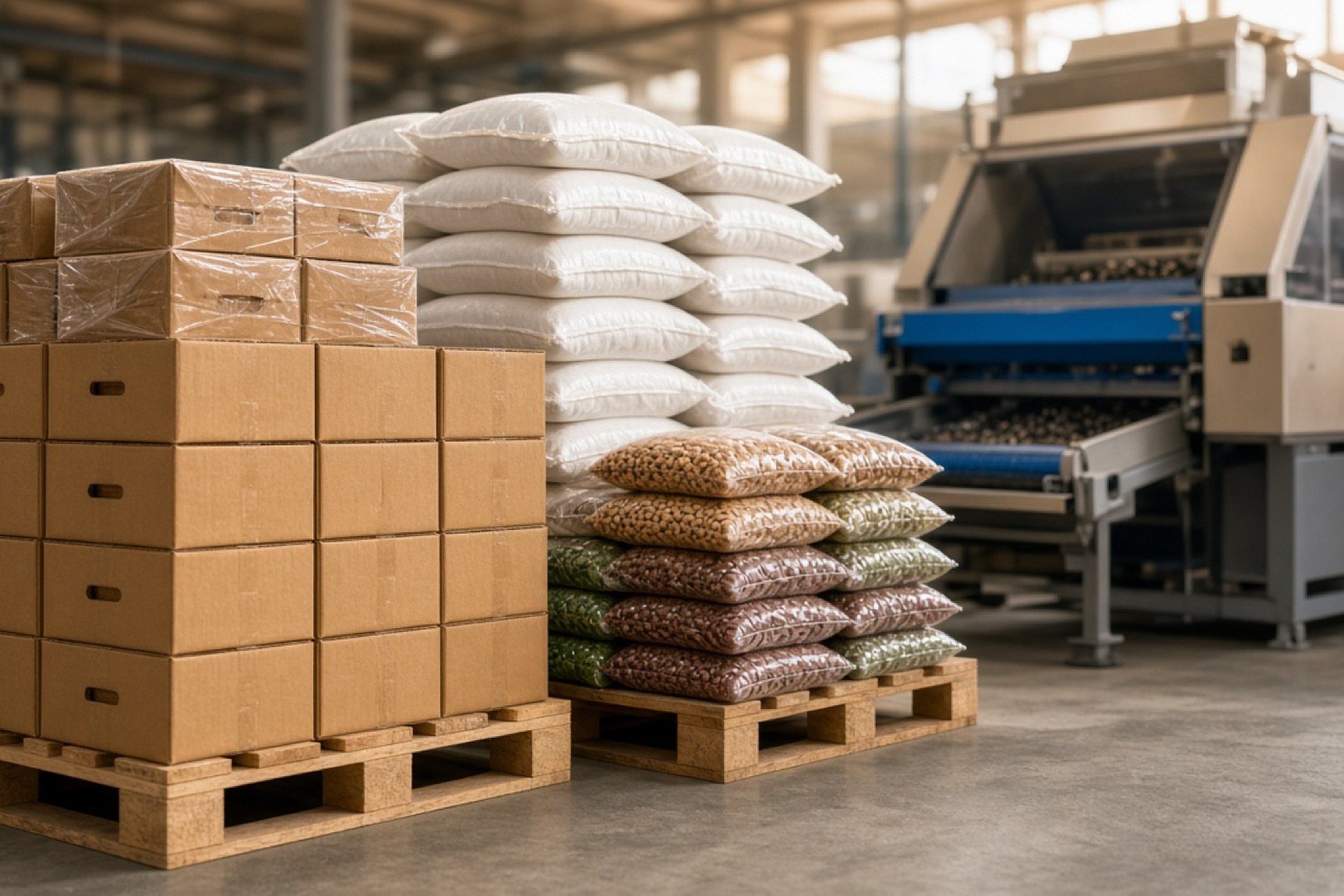
Packaging protects the product, carries information and helps the shopper choose. Primary packs contact food; cartons protect in transit; display layers communicate name and use. Pack size is a commercial decision: small for trial, family for value, large for professionals. Saffron gift packs sell presentation; everyday goods prioritise simplicity and strength.
Evaluating “export quality” in practice
Export quality only matters when it becomes checkable specs. Start with a representative sample, then run application tests — cook pasta, use sauce in the target dish, trial ingredients in the buyer’s formula. Check pack integrity, visual uniformity and lot traceability. First shipments build trust; reorders prove it.
How wholesale buyers choose among brands
Start from need definition — product, target customer, volume, pack type and delivery point — then shortlist suppliers and test samples.
- Fit with taste and intended use
- Quality stability and sample-to-order match
- Pack size and units per carton
- Lead time and delivery discipline
- Supplyable order volume
- Landed cost to the point of sale
- Response speed and issue handling
- Ability to continue and resupply
Calculating the true cost of goods
Quoted factory price is only one cost component. Freight, secondary packing, handling, storage, distribution, waste and inventory capital all matter. Bulky light goods can be cheap by weight but expensive by cube. Cost per sellable unit rises when damage or expired opportunity removes part of the shipment.
Store, restaurant and factory: three customers, three expectations
Stores need shelf recognition, consumer price and repurchase. Restaurants need taste, yield, prep speed and consistency. Factories need precise specs and reliable supply. Brands serving several segments should offer segment-specific propositions — and importers need matching sales tools for each audience.
From first sale to a durable brand position
Entering a foreign market is only the start. A durable position needs visibility in the sales network, good consumer experience and distributor motivation to continue. Start with a focused SKU set, keep availability regular, use feedback, and grow stage by stage once one product group is stable.
Value-creation opportunities for Iranian food brands
Clear usage guidance, professional-channel packaging, occasion-fit pack sizes, origin storytelling tied to real cooking experience, and complementary SKU pairing all create value. Growth for Iran’s leading food export brands runs through precise customer understanding — the right product, pack, timing and sales path.