 Iranco Magazine Team
From fresh sour cherry markets and the cold chain to frozen, pitted, purée, concentrate and dried export formats
Export guide · Sour cherry · 080921 · Cold chain
Iran Sour Cherry Export: Fresh and Processed Export Opportunities
From fresh sour cherry markets and the cold chain to frozen, pitted, purée, concentrate and dried export formats
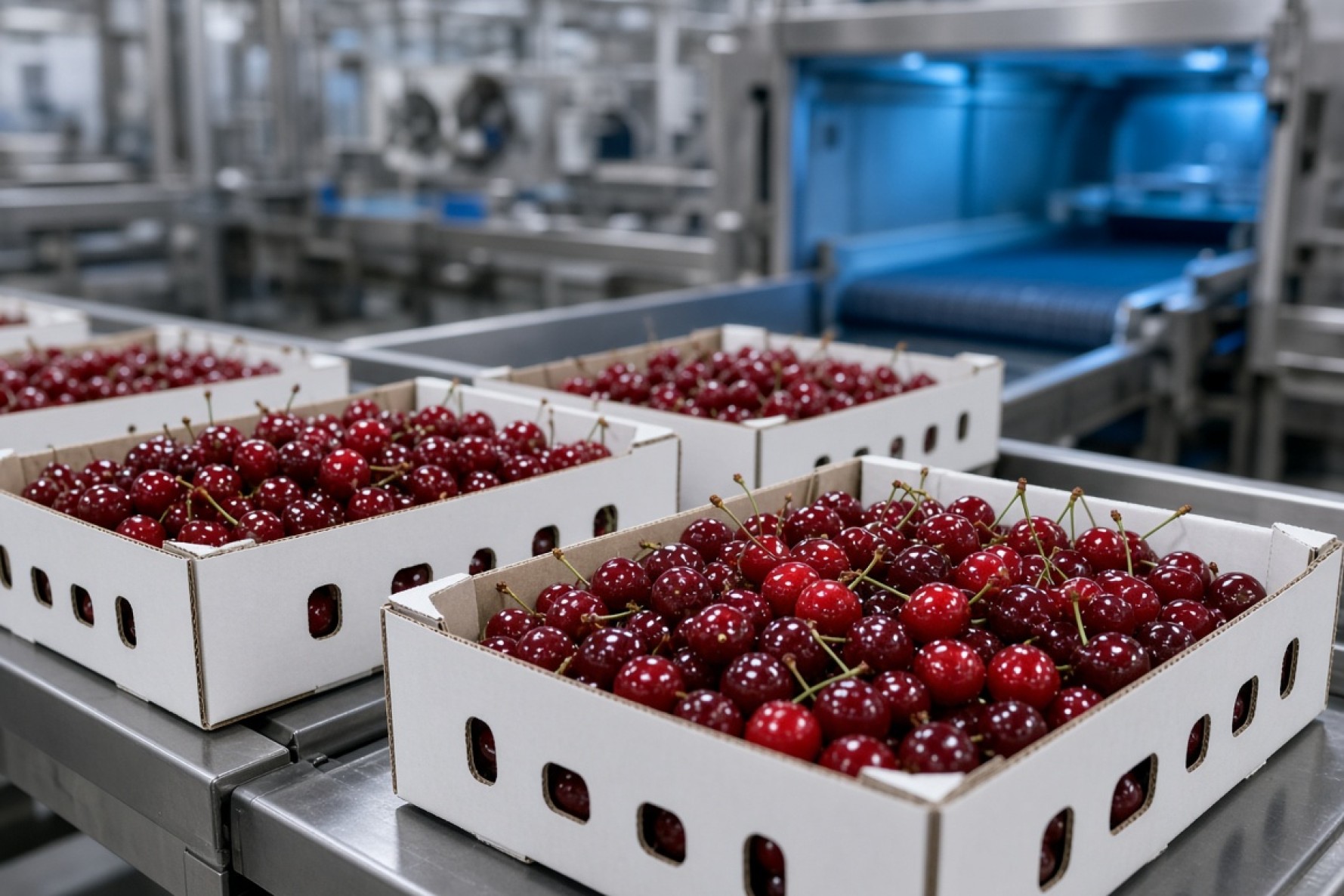
Iranian sour cherries can reach export markets as fresh fruit or processed products. Success depends above all on harvest quality, rapid pre-cooling, pesticide residue control, the right processing format, packaging and matching product specifications to the buyer.
In 2024 Iran ranked fifth globally with roughly 136,100 tonnes of sour cherry production. Optimal post-harvest storage is about 0–1 °C and 90–95% relative humidity.
Unlike many fresh fruits, sour cherry is not only a retail item. Much of its commercial value sits in processing: pitted IQF, purée, juice, concentrate, dried fruit, jam, confectionery fillings and dairy or beverage ingredients. Fresh markets are time-critical; processing turns a short harvest into months or year-round supply with more stable technical specs for industrial buyers.
1. Iran’s position in export markets
Sour cherries grow across Iran’s temperate and cool regions, spreading harvest windows. Advantages include land access to the Caucasus, Russia and neighbours, fruit processing capacity and multiple commercial formats. Fresh Iranian sour cherry shipments with a dedicated tariff code have been recorded to Armenia — distinct from sweet cherry trade. Choose fresh vs processed routes before harvest.
2. Which format fits export best?
| Format | Main buyer | Export advantage | Main risk |
|---|---|---|---|
| Fresh | Wholesale / retail | Higher in-season value | Short shelf life |
| Whole frozen | Food industry | Off-season supply | Frozen chain integrity |
| Pitted IQF | Bakery, dairy, ice cream | Ready for formulation | Residual stone control |
| Purée | Beverage & food | Easy dosing | Uniformity & micro load |
| Juice & concentrate | Drink manufacturers | Efficient bulk move | Brix, acidity, colour |
| Dried | Snacks & confectionery | Shelf life & logistics | Moisture, texture, colour |
Nearby destinations suit fresh fruit; distant or industrial buyers often prefer pitted frozen, purée or concentrate.
3. Technical specifications
Professional buyers need measurable specs — colour, Brix, acidity, firmness, stone status, MRLs and microbiology — not vague “export grade” wording alone.
4. Quality control: orchard to loading
Sort out rot, mould, bruises and serious mechanical damage. For pitted IQF, monitor broken pieces, stone fragments, freeze uniformity and thaw quality. Purée and concentrate need Brix, pH, acidity, colour and micro counts. In the EU, pesticide MRLs follow Regulation 396/2005; consolidated rules continue through 2026.
5. Target export markets
Europe imported about 33,000 t of sour cherries in 2024; Germany (~11,000 t), Russia (~7,400 t), Austria, Italy and the Netherlands were major buyers. Armenia fits fast fresh routes; Germany and other EU markets need strict MRL programmes, orchard traceability and documented sorting.
6. Processing: IQF, purée, concentrate, dried
Pitted IQF: Individual quick freezing for industry; storage at −18 °C is standard.
Purée & concentrate: Buyers set Brix, pH, acidity, colour and micro limits. Minimum Brix for reconstituted sour cherry juice in the EU is 13.5 — not the same as commercial concentrate Brix.
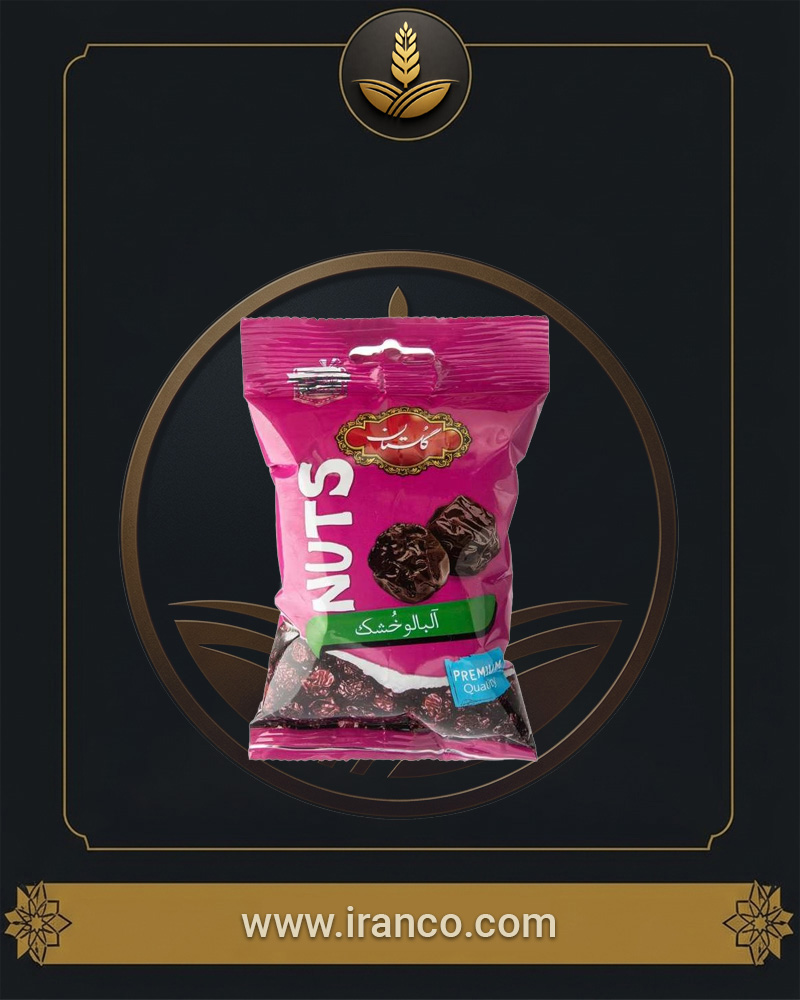
Dried: Less refrigerated logistics; heat and oxygen control protect colour and texture.
7. Fresh packaging and cold chain
Post-harvest starts at picking. Store at 0–1 °C and 90–95% RH; shallow, ventilated export packs; pre-cool before loading — refrigerated transport maintains temperature; it does not cool warm fruit in transit.
8. Tariff codes and export documents
Fresh Prunus cerasus: HS 080921. Frozen chapter 0811; prepared products 2008; juices and concentrates 2009. Fresh files include origin, phytosanitary papers, CO, invoice, packing list, MRL tests where required, traceability and temperature records; processed exports add food safety systems (HACCP, ISO 22000) and lab certificates.
9. Export pricing drivers
Price follows the preparation path: for fresh — sorting loss, pack, pre-cool, tests and freight; for pitted frozen — pitting yield, IQF, cold storage. Quote requests should state format, grade, size, Brix/acidity, pack net weight, volume, required tests, destination, Incoterms and transport mode.
Importer checklist (12 points)
- Define exact product format
- Pre-contract samples and written acceptance criteria
- Brix, acidity and colour for industrial buys
- Harvest and pre-cool plan for fresh
- Align MRL testing with destination rules
- Residual stone limits for pitted IQF
- Confirm net weight, packaging and seasonal supplier capacity
- Contract transport temperature and logging
- Match export documents before loading
- Dispute rules if shipment differs from approved sample
10. Sourcing through Iranco
Buyers can specify format, quality, volume, stone status, packaging, required tests and destination in an Iranco request so matching Iranian supply options are reviewed on the same basis.
Summary
Maximum value comes from managing fresh and processed sour cherry as two parallel routes. Fresh depends on speed, pre-cooling and cold chain; IQF, purée, concentrate and dried formats reach industrial buyers year-round. The core decision is format fit to distance, application and your quality control capability.
FAQ
Which markets suit fresh Iranian sour cherries?
Neighbours with fast overland cold chain — Armenia is a documented fresh route; Russia has large import volume but quarantine and pack quality matter.
Transport temperature for fresh?
About 0–1 °C and 90–95% RH; fruit should be near target temperature before loading.
Industries using pitted IQF?
Bakery, ice cream, fruit dairy, desserts and fruit sauces — IQF allows controlled dosing on the line.
Key test for sensitive fresh markets?
Appearance, Brix and firmness plus MRL panels aligned with orchard spray records and destination limits.
Fresh tariff code?
HS 080921 for Prunus cerasus; processed codes vary by form and composition.
Information needed for pricing?
Format, grade, volume, packaging, tests, destination and delivery terms — all can be stated in an Iranco buy request.
Featured Products
Related Articles



