Iranco Magazine Team
Tajikistan market capacity for Iranian food, export product groups, competitors, entry requirements, labelling, packaging, land freight and sustainable sales growth
Market Report · Export · Tajikistan · Central Asia
Iran Food Export to Tajikistan: Opportunities to Develop the Food Products Market
Market structure, product opportunities, actual vs potential demand, technical specs, quality control, regulations, Tajik/Russian labelling, packaging, land transit routes, competition, delivered cost, growth strategy and importer checklist.
Analytical introduction
Tajikistan is a smaller Central Asian market than its neighbours but shows rising food imports and an active trade channel with Iran. Iran and Tajikistan share no land border; every food shipment transits Central Asian corridors — mainly Uzbekistan and Turkmenistan, and in limited cases Afghanistan. Success for Iranian exporters depends on product fit, Tajik and Russian labelling compliance, and accurate delivered-cost calculation in Dushanbe or Khujand.
Bilateral Iran–Tajikistan trade reached about USD 483.9 million in 2025, up from roughly USD 377.7 million in 2024. Tajik imports from Iran in 2024 were close to USD 263.2 million — a major share of two-way trade. In Q1 2025 food accounted for about 17% of Tajikistan's import structure, with food imports up roughly 15.2% year on year.
This report is for producers, export agents and B2B importers in Tajikistan. Iranco provides an RFQ channel with precise technical specs to match supply from Iranian manufacturers.
1. Tajikistan market structure and imports
Tajikistan's market is structurally import-dependent: cereals, oils, dairy, confectionery, beverages and fruit recur in wholesale baskets. Dushanbe and Khujand are distribution hubs; remote areas are supplied mainly through regional wholesalers.
| Indicator | Value | Implication for Iran exports |
|---|---|---|
| Bilateral trade 2025 | $483.9M | Active, growing Iran–Tajik channel |
| Bilateral trade 2024 | $377.7M | Baseline for YoY growth |
| Tajik imports from Iran 2024 | ~$263.2M | Iran among top suppliers |
| Food share of imports Q1 2025 | 17% | Meaningful import-basket share |
| Food import growth | +15.2% YoY | Positive demand pressure |
2. Iranian product opportunities in Tajikistan
Six groups dominate B2B talks with Tajik buyers: confectionery, tomato paste and sauces, juice and beverages, dairy, nuts and saffron, and fresh fruit.
| Group | Sample HS | Market signal | Iran advantage | Risk |
|---|---|---|---|---|
| Sweets, biscuits, candy | 1905 / 1704 | Retail & wholesale demand | Flavour range, unit price | Bilingual label, additives |
| Tomato paste & sauces | 200290 / 210320 | Food industry & retail | Capacity, Brix | Turkey & local competition |
| Juice & beverages | 2009 / 2202 | Packaged drinks growth | Concentrate & RTD | Shelf life, sugar rules |
| Dairy (UHT, powder, cheese) | 0401 / 0406 | Import dependence | Known brands & taste | Cold chain, veterinary |
| Pistachio, almond, saffron | 080252 / 091020 | Nuts & HoReCa | Iran origin | Aflatoxin, saffron fraud |
| Fresh fruit (apple, orange, pomegranate) | 080810 / 080510 | Seasonal | Sorting & volume | Long transit, phytosanitary |
Confectionery and paste: repeatable contracts
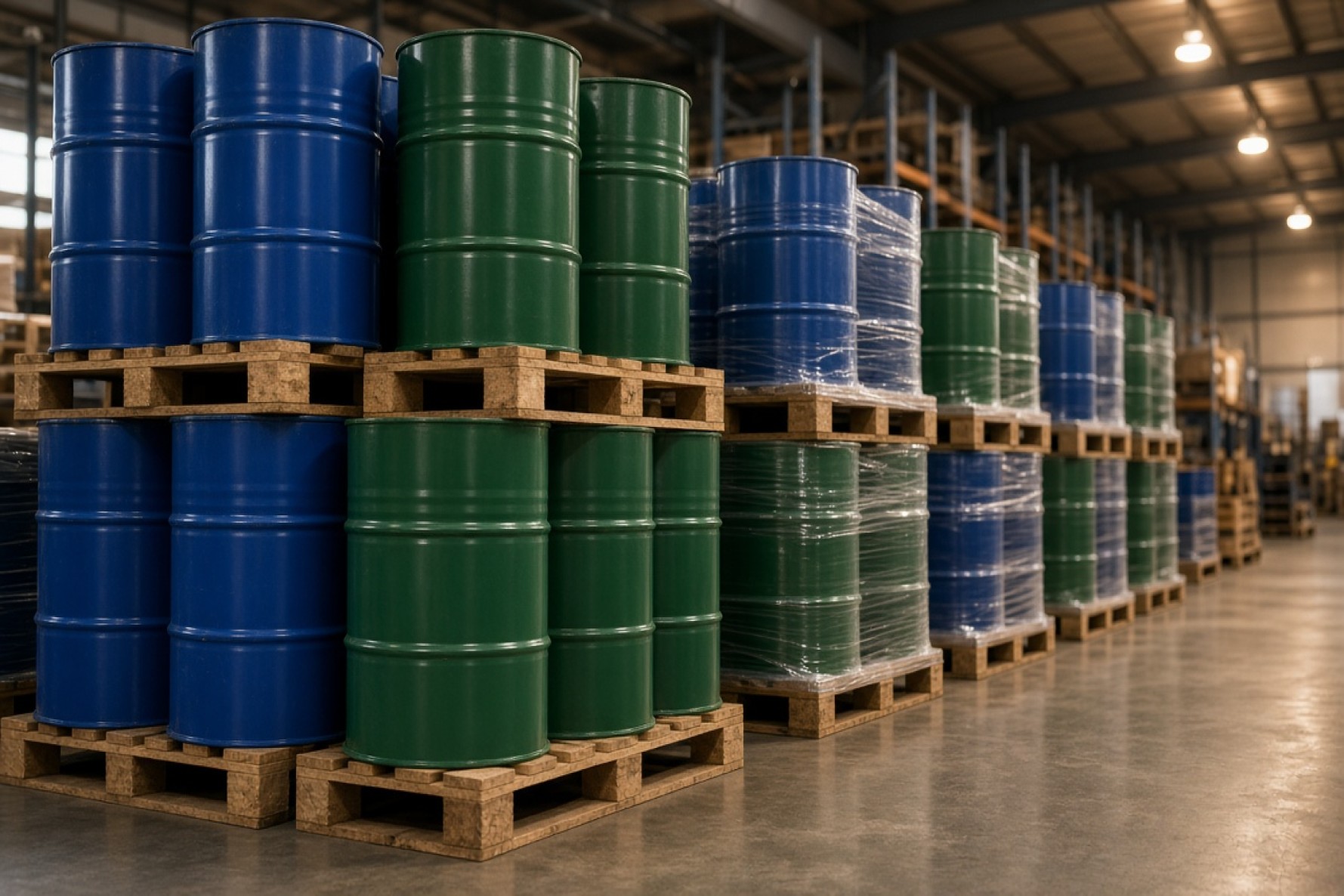
Confectionery for wholesale distribution needs stable quality, at least six months' shelf life on delivery and moisture-resistant packs. Tomato paste is often sold in drums or B2B to plants; Brix, pH and tin or glass packaging are specified numerically in contracts.
3. Actual market vs potential
| Group | Current position | Potential | Main barrier |
|---|---|---|---|
| Sweets & snacks | Moderate wholesale presence | Modern retail growth | Labels; Russia/Turkey rivals |
| Paste & sauces | Share in food industry | Replace third-country supply | CPT delivered price |
| Juice | Limited consumer brands | B2B concentrate | Standards & conformity |
| Dairy | UHT & powder | Cheese SKU expansion | Veterinary approval |
| Nuts & saffron | Strong Iran brand | Packaged retail | Destination testing |
| Fresh fruit | Seasonal, bulky | Extend winter window | Multi-border transit |
USD 263M imports from Iran show a mature channel; each food group's share must be measured separately before investing in labels and packs.
4. Technical specifications and order standards
| Product | Key parameter | Acceptance limit | Document |
|---|---|---|---|
| Tomato paste | Brix, pH, salt | Per contract (e.g. Brix 28–30) | COA, batch analysis |
| Confectionery | Net weight, moisture | ±3% weight, X months shelf life | Label, ingredient list |
| Juice | Fruit %, additives | Per destination standard | COA, label |
| Pistachios | Open shell %, aflatoxin | e.g. B1 below 10 ppb | Accredited lab |
| Saffron | Purity, moisture, colour | ISO 3632 or PI agreement | COA, reference sample |
| Apple/orange | Calibre, defects, MRL | % sorting in proforma | Phytosanitary certificate |
5. Quality control and sampling
- Before loading: Batch inspection at origin, COA vs contract, sealed reference sample for disputes.
- In transit: Temperature logs for fruit and dairy; avoid breaking seals without a representative.
- At destination: Sampling by Tajik sanitary authorities; microbiology, heavy metals and pesticide residues for produce.
- Nuts: Aflatoxin and foreign matter; rejection without a valid COA is costly.
- Paste & canned: Seam integrity, dates and label match to physical goods.
6. Regulations: WTO, sanitary, conformity, phytosanitary, veterinary
| Area | Requirement | Responsible party |
|---|---|---|
| WTO / customs | Declaration, customs value, 10-digit HS | Exporter + broker |
| Sanitary | Health certificate for processed foods | Iran issuing authority |
| Conformity | Tajik national standard where declared | Manufacturer / importer |
| Phytosanitary | Phytosanitary cert. for fruit, veg, plant nuts | Iran plant protection |
| Veterinary | For meat, fish, sensitive dairy | Approved export establishment |
| Transit documents | TIR/CMR, permits in intermediary states | Forwarder |
Tajikistan is a WTO member; duties and technical rules must match latest customs and standards agency notices. Each day held at an intermediary border directly increases fresh-fruit loss.
7. Tajik and Russian labelling
Consumer labels must be in Tajik and Russian at minimum: product name, ingredients, net weight, production and expiry dates, manufacturer name and address, country of origin, and storage instructions where needed. Accurate additive translation is essential for dairy, beverages and flavoured goods.
- Approve artwork before bulk print — customs relabelling is expensive.
- EAN barcode if supplying modern retail chains.
- Halal or special marks only with valid certification.
- Match master carton and retail-unit languages.
8. Export packaging
| Product | Packaging | Transit note |
|---|---|---|
| Confectionery | Master carton, shrink, inner trays | Stacking strength on multi-leg hauls |
| Tomato paste | Tin, glass, standard drums | Edge impact protection |
| Juice | PET/Tetra, strapped pallets | Intermediate warehouse temperature |
| Pistachio/almond | 10–25 kg bags or retail vacuum | Moisture control |
| Fruit | Vented cartons, pre-cooled | Minimise time on corridor |
9. Land routes from Iran (no shared border)
Iran and Tajikistan do not share a land border. Common corridors: (1) Iran → Turkmenistan → Uzbekistan → Tajikistan; (2) Iran → Afghanistan (limited, high regulatory risk); (3) Rail–road mix from Bandar Abbas or Sarakhs via Uzbekistan. Time and cost depend on customs stops and season.
| Mode | Corridor summary | Time | Suited to |
|---|---|---|---|
| Refrigerated truck | Eastern Iran–Turkmenistan–Uzbek–Tajik | 7–12 days | Fruit, dairy |
| Dry truck | Same road axis | 6–10 days | Sweets, paste, nuts |
| Rail + road | Sarakhs/port–Uzbek–Tajik | 12–20 days | High volume, bulk |
10. Competition: Russia, Kazakhstan, Uzbekistan, Turkey, China
| Group | Main rivals | Rival edge | Iran response |
|---|---|---|---|
| Cereals & oil | Kazakhstan, Russia | Volume, rail | Specialty, brand |
| Confectionery | Russia, Turkey | Distribution, price | Flavour, unit economics |
| Paste & sauces | Turkey, China | CPT price | Brix quality, packaging |
| Fruit | Iran, Uzbekistan, China | Season, route | Sorting, origin brand |
| Nuts & saffron | Iran (leader), Afghanistan | Brand recognition | COA, authenticity |
11. Pricing and delivered cost
- FOB/EXW with defined grade and pack — comparison base.
- Domestic haul to border + Turkmenistan and Uzbekistan transit freight.
- Border fees, delays and broker cost in each intermediary country.
- ICC insurance (higher cover for fruit and nuts).
- Import duty and taxes on Tajik customs value.
- Destination testing, warehouse and local distribution — often 10–25% on wholesale.
- Fresh-fruit loss on multi-border legs (contract 3–10%).
- FX and payment terms (prepayment, LC, wire).
12. Sustainable export growth strategy
- Focus SKUs still competitive after CPT Dushanbe.
- Long-term contract with one registered importer vs scattered seasonal deals.
- One-time investment in approved Tajik/Russian labels.
- Batch consistency and reference samples to reduce customs disputes.
- Pack mix: bulk for traditional trade, retail units for modern stores.
- Align loading calendar with demand (Ramadan, winter fruit).
13. 18-step importer checklist for Tajikistan
- Define commercial name and product grade.
- Align 6- and 10-digit HS with Tajik broker.
- Query duty and import VAT.
- Obtain physical sample or COA from Iranian supplier.
- Set numeric acceptance (Brix, aflatoxin, MRL, moisture).
- Confirm health, phytosanitary/veterinary certificates from Iran.
- Design and approve Tajik/Russian label before production.
- Choose Incoterms (FOB, CPT Dushanbe, DAP).
- Select transit route and forwarder with Uzbek–Tajik experience.
- Cold-chain plan for fruit and dairy.
- Cargo insurance and liability.
- Loading calendar vs demand season.
- Verify producer capacity for repeat orders.
- Payment terms (LC, 20–30% prepayment).
- Quality dispute clause and reference sample.
- Document pack list before truck departure.
- Coordinate brokers in intermediary countries.
- Submit RFQ on Iranco to compare Iranian suppliers.
14. RFQ and purchase request information
A professional RFQ for Tajikistan should include: full product name and grade; HS if known; monthly or shipment volume; delivery city (Dushanbe, Khujand, other); Incoterms; numeric technical parameters; Tajik/Russian label requirement; and delivery window. Iranco forwards this structure to qualified Iranian suppliers and collects FOB/CPT quotes — without replacing destination customs brokers or importers.
- Attach COA or spec PDF when possible.
- List acceptable substitute products if flexible.
- State payment terms and sample needs before contract.
15. Food supply from Iran with Iranco
Iranco matches your B2B purchase request with Iranian manufacturers and packers: confectionery, tomato paste and sauces, juice, dairy, nuts, saffron and fresh fruit. The path from "interest in Tajikistan" to "supply options" starts with a structured RFQ.
Summary
USD 483.9M bilateral trade in 2025 and roughly USD 263.2M Tajik imports from Iran in 2024 make the Iranian supply channel a main pillar of Tajikistan's market. A 17% food share in imports and 15.2% food-import growth support expansion in confectionery, paste, beverages, dairy, nuts and fruit — provided regulations, bilingual labels and Central Asian transit costs are managed correctly.
Complete the 18-step checklist, numeric specs and transit plan before signing. Iranco is a practical starting point for RFQ registration and supplier matching.
Frequently asked questions
What was Iran–Tajikistan trade in 2025?
About USD 483.9 million; in 2024 about USD 377.7 million.
How much did Tajikistan import from Iran in 2024?
Roughly USD 263.2 million — a large share of bilateral trade.
What is food's share of Tajik imports?
About 17% in Q1 2025; food imports grew about 15.2% year on year.
Do Iran and Tajikistan share a border?
No; goods mainly transit Turkmenistan and Uzbekistan.
Which languages are required on food labels?
At least Tajik and Russian: name, ingredients, dates, origin and net weight.
Which Iranian foods sell best in Tajikistan?
Season-dependent: confectionery, tomato paste, juice, UHT dairy, pistachios, saffron and fresh fruit are most repeated.
Who are Iran's main competitors?
Russia, Kazakhstan, Uzbekistan, Turkey and China by product group.
What tests matter for pistachios?
Aflatoxin, moisture and open-shell ratio; COA from an accredited origin lab is essential.
How do I submit an RFQ to Iranco?
Use the Iranco contact page with product, volume, delivery city, Incoterms and technical parameters.
Featured Products








Related Articles