 Iranco Magazine Team
From HS codes and the licorice raw-root ban to India–EU demand patterns and pharmacopoeial B2B standards
Medicinal herbs export · Target markets · B2B
Iran Medicinal Plants Export: Key Target Markets and Industrial Buyer Criteria
From climate advantage and value-chain gaps to HS codes, India–EU demand patterns, pharmacopoeial standards and Iranian customs rules — a practical roadmap for exporters and industrial buyers.
With 11 of the world’s 13 recognised climate types, Iran hosts one of the richest botanical ecosystems on earth. Botanical and trade research document more than 8,000 plant species — at least twice Europe’s species diversity. Over 2,300 species have medicinal, aromatic, spice or cosmetic uses, and about 1,728 are registered as endemic to Iran.
Despite this rare natural capacity and a strong historical record — Iran ranked first in global medicinal-herb exports in 1998 (1377 SH) and fifth in 2003 (1382 SH) — the country’s share of today’s roughly USD 120 billion global market is still tiny. Trade data put Iran’s share of world exports at about 0.1–4%.
Value-chain diagnosis shows the main cause is a culture of bulk raw selling without primary or secondary processing. Raw exports hand high margins to intermediaries (notably the UAE, which rebrands and re-exports at roughly double the price) and, without laboratory and pharmacopoeial compliance, shut Iranian shippers out of final EU and US markets.
Recent trade rules — including bans on some raw items such as licorice root and the requirement to ship extract and powder instead — mark a strategic pivot toward industrial processing and higher export value-added.
1. Challenges and Iran’s strategic position in the global medicinal plants market
Today’s medicinal plants market is a standards-driven specialised industry, not traditional bulk trade. Iran’s exceptional biodiversity and export history are still undermined by raw selling and weak lab documentation — so re-packaging and branding profits flow to hubs such as Dubai.
The strategic fix is to move from raw root and gum toward extract, powder, essential oil and CoA-backed lots — aligned with new customs circulars and opening doors to high-influence markets.
2. Key export items and HS tariff codes
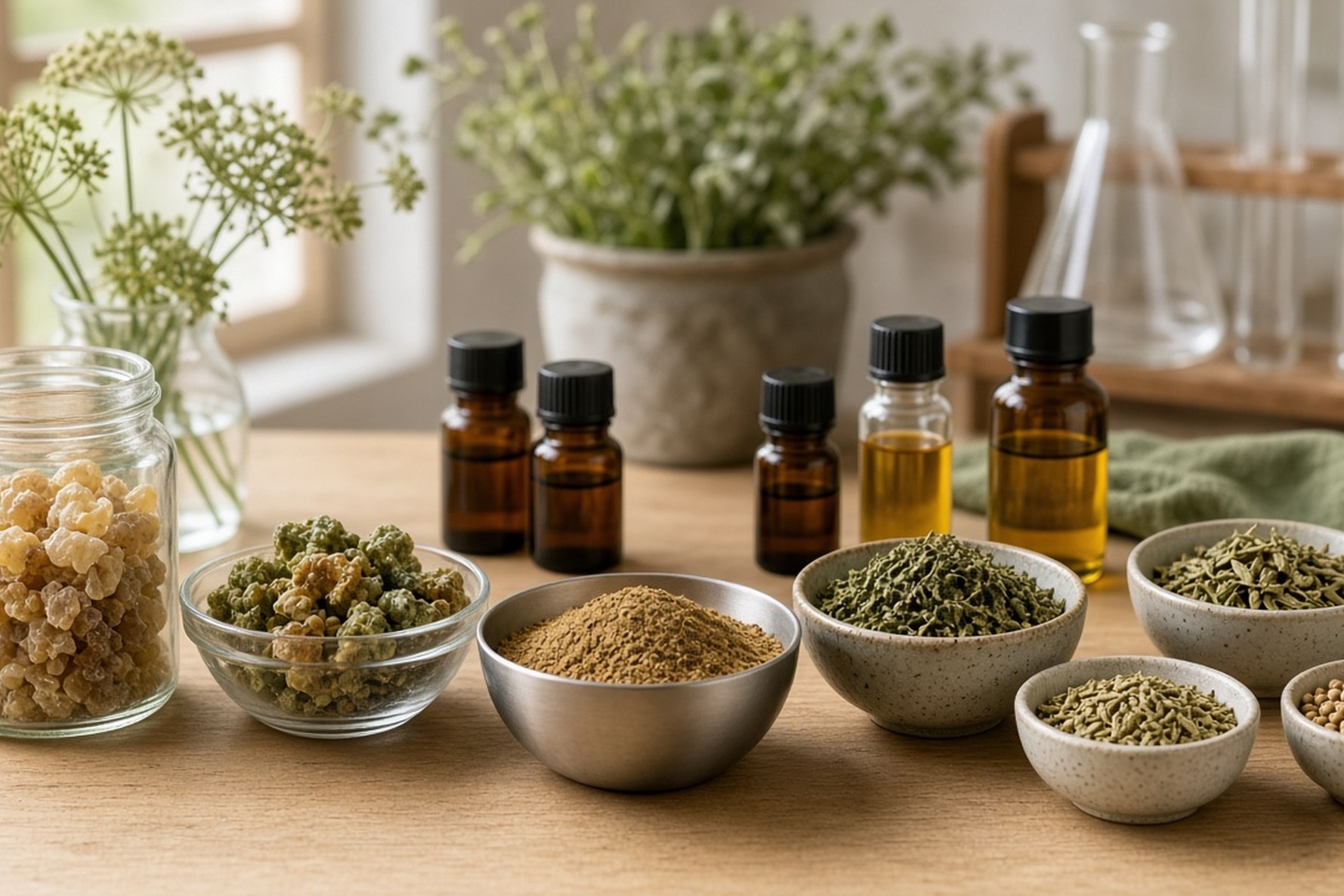
Professional market entry requires precise HS classification and export form for each product. Medicinal plants mainly fall under chapters 12 (seeds & medicinal plants), 13 (gums & extracts) and 33 (essential oils).
| Product | Scientific name | HS Code | Common export form | Export status |
|---|---|---|---|---|
| Asafoetida gum | Ferula assa-foetida | 13019020 | Bulk sap/resin (drums) | Conditional (Natural Resources) |
| Galbanum gum | Ferula gummosa | 13019010 | Mass or tear gum | Conditional (Natural Resources) |
| Licorice extract & powder | Glycyrrhiza glabra | 13021200 | Liquid/solid extract, powder | Allowed |
| Licorice root | Glycyrrhiza glabra | 12119020 | Dried raw root | Banned (recent circular) |
| Tragacanth | Astragalus gummifer | 13019000 | Ribbon or lump gum | Conditional |
| Medicinal essential oils | Various | 33012920 | Distilled oil / volatile oil | Allowed (no NR permit) |
| Green cumin seed | Cuminum cyminum | 09093100 | Dried seed | Agricultural allowed |
| Coriander seed | Coriandrum sativum | 09092100 | Dried seed | Agricultural allowed |
| Other medicinal herbs | Various | 12119000 / 12119090 | Dried leaf, flower, aerial parts | Agri / conditional |
A common exporter mistake is one HS code for all herbs. Raw licorice root (12119020), the same plant’s extract (13021200) and chapter-33 oils are three different customs and contract paths.
3. Rangeland gums and oleoresins (asafoetida & galbanum)
Asafoetida (Ferula assa-foetida) and galbanum (Ferula gummosa) are among Iran’s most valuable rangeland medicinal-industrial species. Asafoetida gum typically contains 4–20% essential oil, 40–60% resin and about 25% gum mucilage. Most Iranian asafoetida ships in bulk 50–70 kg drums.
Galbanum’s unique odour profile and fixative properties make it a premium input for French and European fine fragrance and specialised industrial adhesives (e.g. diamond adhesives).
Gross export margins for asafoetida and galbanum gums are estimated at 30–60% — among the highest in the medicinal category — provided Natural Resources permits, traceability and CITES compliance where required are in place.
4. Industrial extract herbs (licorice, damask rose & thyme)
Licorice is one of Iran’s oldest and most demanded export lines. Its key active, glycyrrhizin / glycyrrhizic acid, is widely used in pharma (anti-ulcer, anti-inflammatory), confectionery and tobacco.
Raw licorice root export (HS 12119020) has been banned under recent Trade Promotion Organization and Ministry of Agriculture circulars to protect domestic extractors and add value. Export is now allowed only as licorice extract and powder (HS 13021200).
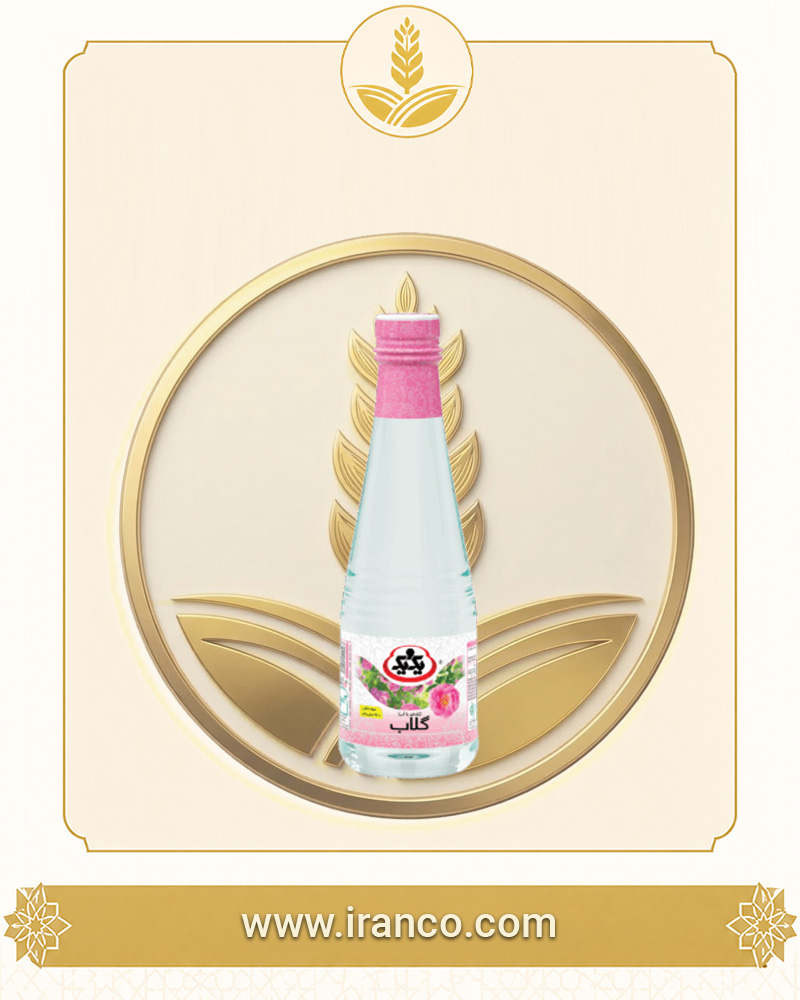
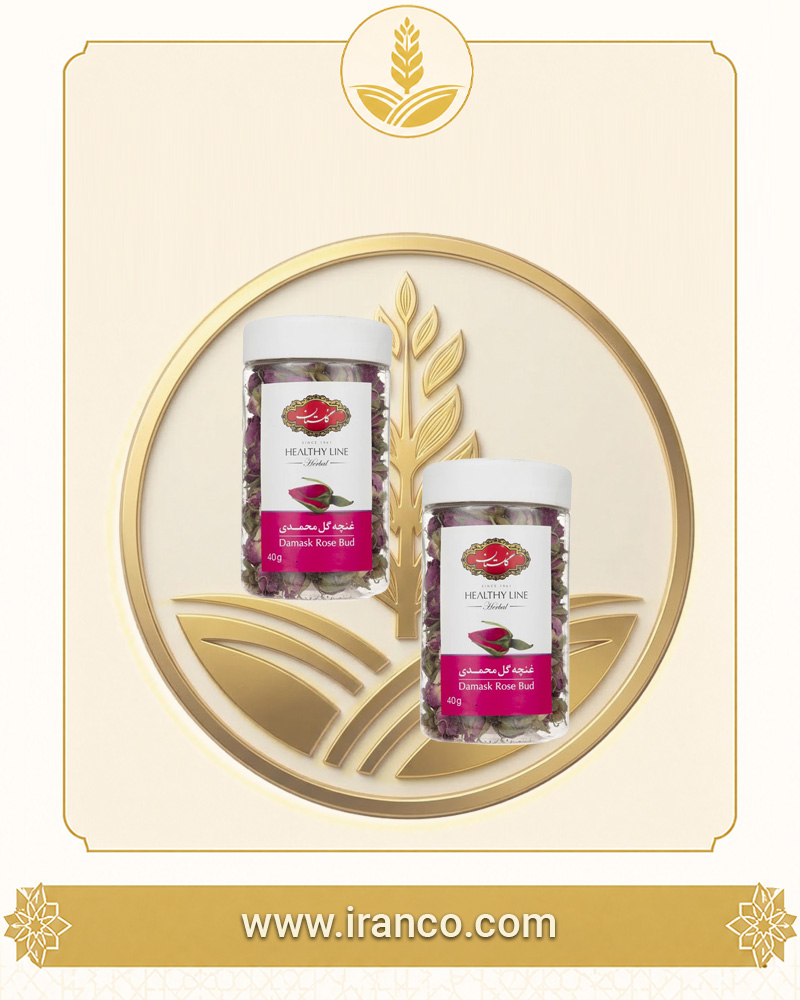
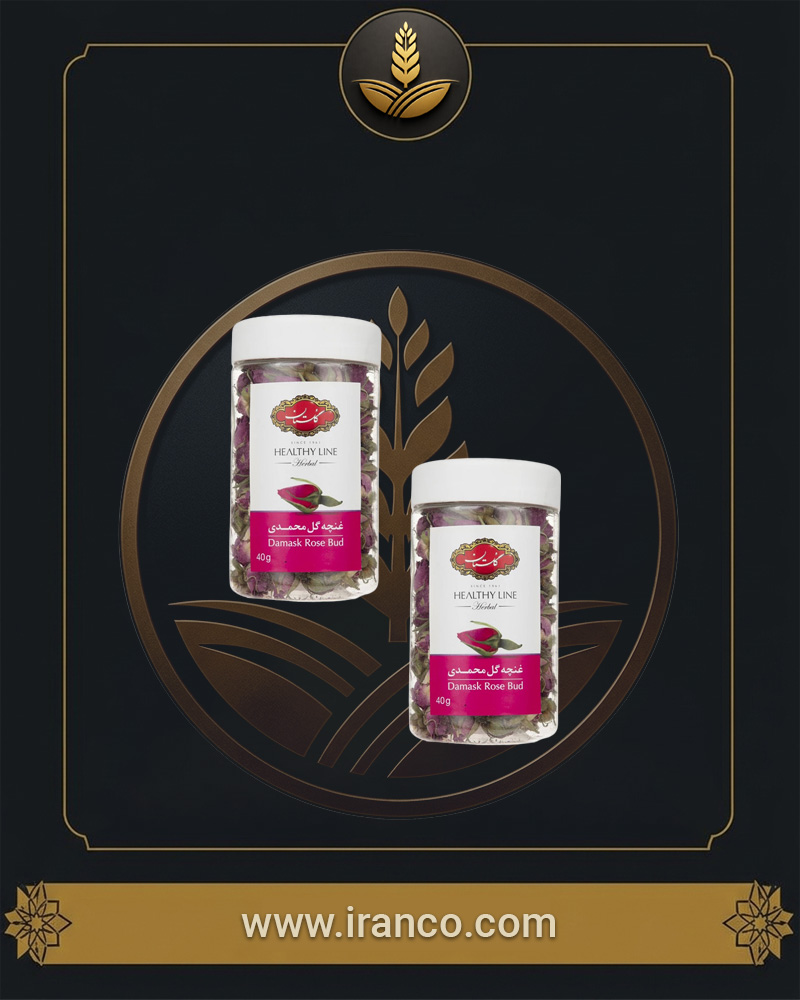
Shirazi thyme (Zataria multiflora), rich in thymol and carvacrol, is in strong demand for cough syrups, antifungal/antibacterial drugs and as a natural food preservative. Damask rose — as otto, rose water and dried buds — links fragrance and food industries.
5. Target export markets and the international value chain
Global demand for Iranian medicinal plants follows three distinct commercial patterns that shape logistics, processing depth and profitability.
Pattern 1 — Bulk food demand in South Asia (India)
India is Iran’s dominant single-product buyer of asafoetida, absorbing over 99% of Iranian shipments. In Ayurveda, asafoetida (Hing) is a staple flavouring and digestive. India also imports licorice root/extract and green cumin. Indian traders typically buy bulk at base prices, then process and re-offer to secondary markets.
Pattern 2 — Industrial & pharma demand in the EU
Germany is Europe’s herbal pharma and dietary-supplement hub and a major buyer of licorice extract, chamomile, coriander and medicinal seeds. France leads on galbanum gum and rose otto for luxury fragrance. Spain and Italy import extracts and raw gums for cosmetics and pharma. European buyers pay above-world averages for lots that clear pesticide, heavy-metal and international certificate screens.
Pattern 3 — Transit, re-export and neighbour markets
Large volumes move in bulk to Dubai, where packaging and international certificates enable UAE-branded re-export to Europe and the US. Turkey and Iraq are important consumption and transit routes. China (TCM) is a volume buyer of raw herbs and extracts; Japan, with strict standards, is a stable buyer of saffron, damask rose and licorice extract.
6. Technical & quality criteria of industrial (B2B) buyers
Industrial buyers in Western and East Asian pharma, cosmetics and food import under risk-assessment protocols and pharmacopoeial standards. Iranian exporters need matching technical analysis for durable B2B contracts.
Active ingredient assessment
Industrial buyers purchase on active content, not dry weight. Proof requires advanced methods such as HPLC and GC-MS.
| Herb / extract | Marker compound | Lab method | Minimum accepted |
|---|---|---|---|
| Licorice extract | Glycyrrhizic acid | HPLC | 3–9% by pharma/food grade |
| Shirazi thyme / oil | Thymol & carvacrol | GC-MS / GC-FID | Combined >50–70% in oil |
| Damask rose otto | Citronellol, geraniol, nerol | GC-MS | Citronellol/geraniol ratio per ISO 9842 |
| Galbanum gum | α/β-pinene, δ-3-carene | GC-MS | Resin & volatile oil >10–15% |
Contaminants & residues: EU entry requires Regulation (EC) No 396/2005 screening for 500+ pesticides, Regulation (EU) 2023/915 heavy-metal limits (Pb, Cd, Hg, As), and mycotoxin/aflatoxin ceilings.
Pharmacopoeias & certificates: European Pharmacopoeia (Ph. Eur.) governs purity, total ash, moisture and loss on drying; USP and GRAS for food uses; CoA must come from an ISO/IEC 17025-accredited lab (e.g. SGS, Bureau Veritas).
Traceability & CITES: Major buyers require that wild harvest does not degrade ecosystems. Trace documents from harvest site to plant and CITES compliance for gums and wild species are essential.
7. Legal framework, customs rules and Iranian export regulations
Medicinal plant export is supervised by two main bodies: the Natural Resources & Watershed Management Organization (rangeland/forest species) and the Ministry of Agriculture (cultivated/greenhouse species). Customs applies their published rules.
Three-tier export item classification
1. Prohibited: Threatened species and genetic reserves — including orchid rhizome (salep), narcissus bulbs, madder root, black barberry, wild rhubarb root, chicory root and wild black cumin.
2. Conditional: Rangeland species such as asafoetida, galbanum, tragacanth and mastic — require Natural Resources and Agriculture permits; without them, cargo may be seized as smuggling.
3. Agricultural / greenhouse: Green cumin, coriander, fennel, cultivated chamomile, mint, plus distilled oils and rose water — no Natural Resources permit required.
Licorice raw-root ban circular
Under Ministry of Agriculture and Trade Promotion Organization circular No. 7370717, licorice root under HS 12119020 was removed from exemption lists and banned as a raw export. Shippers must feed domestic extraction plants and export only under HS 13021200 (extract & powder).
Administrative & customs clearance requirements
Valid commercial card (Art. 3 of the Export-Import Law), phytosanitary certificate from the Plant Protection Organization, and FX repatriation per Central Bank / TPO rules (NIMA or legal channels) are mandatory.
8. Conclusion and strategic export-development actions
The global medicinal plants market has left tradition-led trade and become a specialised, pharma-grade, standards-based industry. Industrial buyers now purchase quality stability, contaminant-risk reduction and traceability — not just raw biomass.
To reconnect to high-yield markets and grow beyond today’s tiny share, Iran must leave bulk-raw strategy behind. Priority actions:
- Invest in standard extraction, supercritical-fluid extraction, spray drying and industrial distillation to clear raw-export bans and lift value.
- Build ISO/IEC 17025 reference labs to issue Ph. Eur.–credible CoAs for B2B trust.
- Scale contract farming to control pesticide residues, heavy metals and active-content uniformity.
- Brand directly and open B2B desks in target markets (Germany, China) to capture re-packaging margins currently earned in the UAE.
Request medicinal plants export advisory
To export licorice extract, rangeland gums, essential oils and cultivated herbs with clear specs matched to the target market, submit your request on Iranco.
Contact IrancoIran’s biodiversity value materialises in world trade only when standards, traceability and processing replace raw bulk selling.
Featured Products


Related Articles



