


Get pricing, MOQ, certifications, and lead time directly from this manufacturer.
FAQ
Every production lot at Nojan Saffron is evaluated according to ISO 3632-1/2 and Iranian standard ISIRI 259 using UV-Vis spectrophotometry. The primary biochemical markers—crocin (coloring strength at 440 nm), picrocrocin (flavor index at 257 nm), and safranal (aroma index at 330 nm)—are quantified, and a certified Certificate of Analysis (COA) is issued with every commercial consignment.
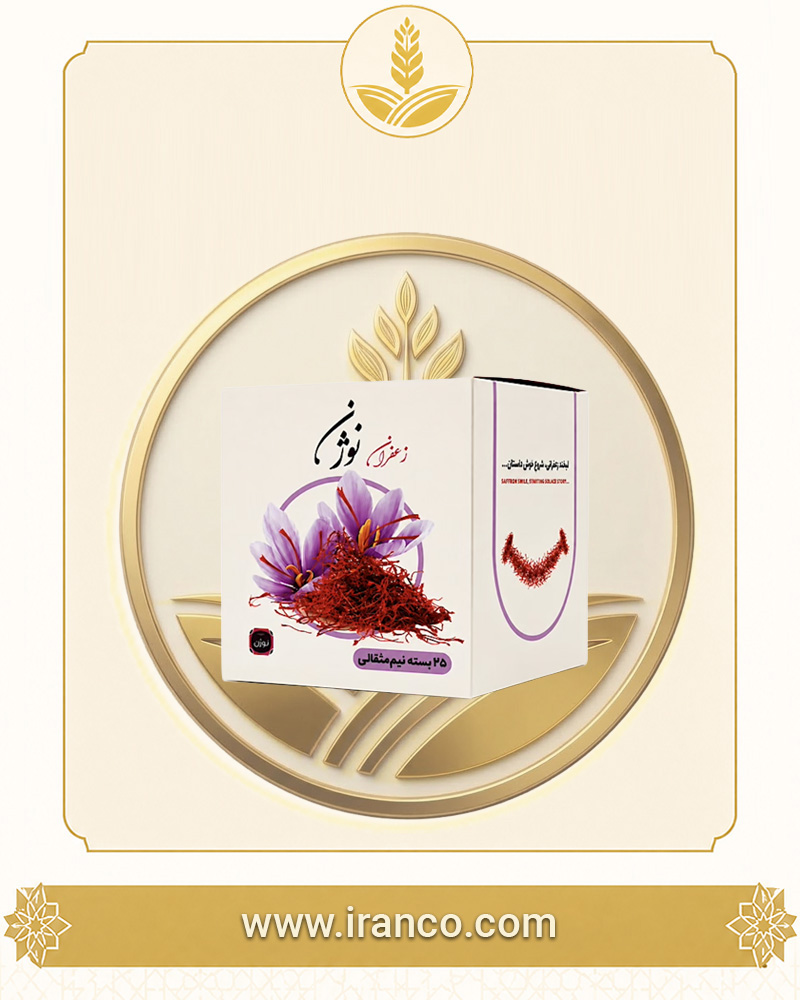
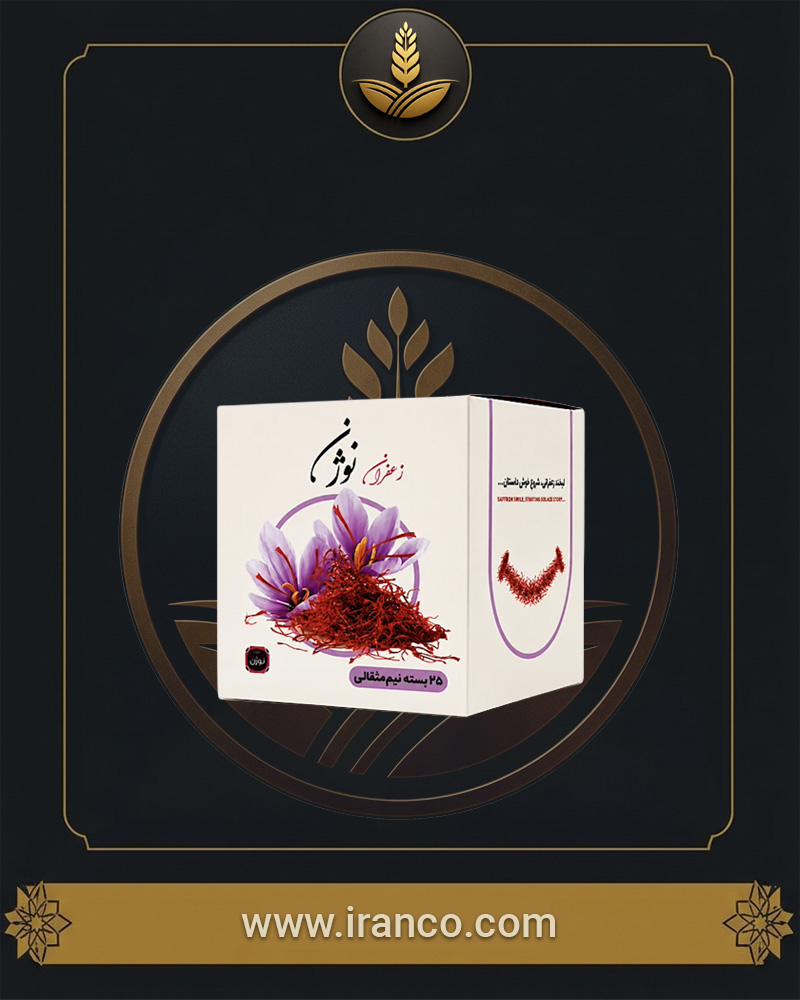
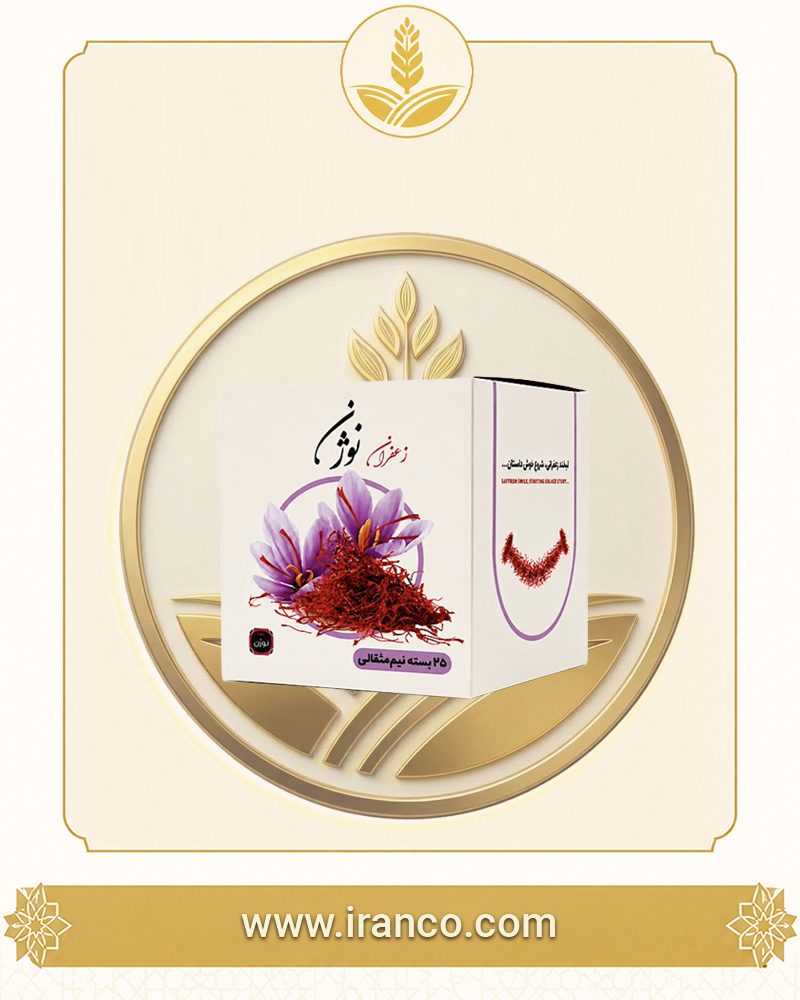
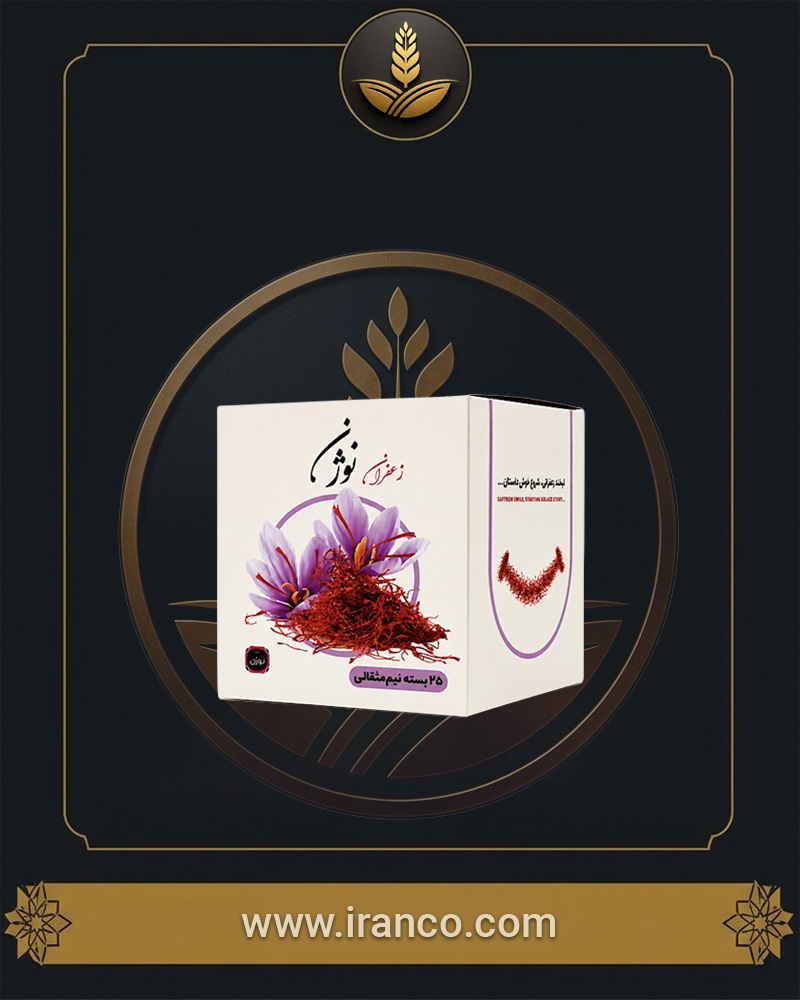
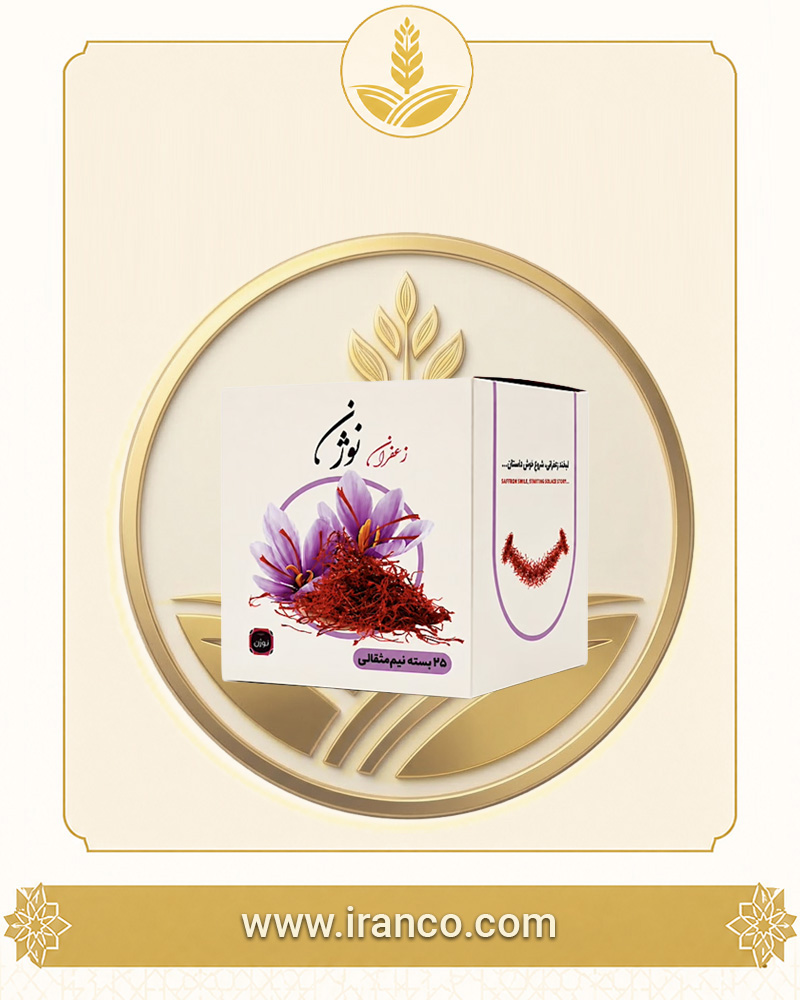
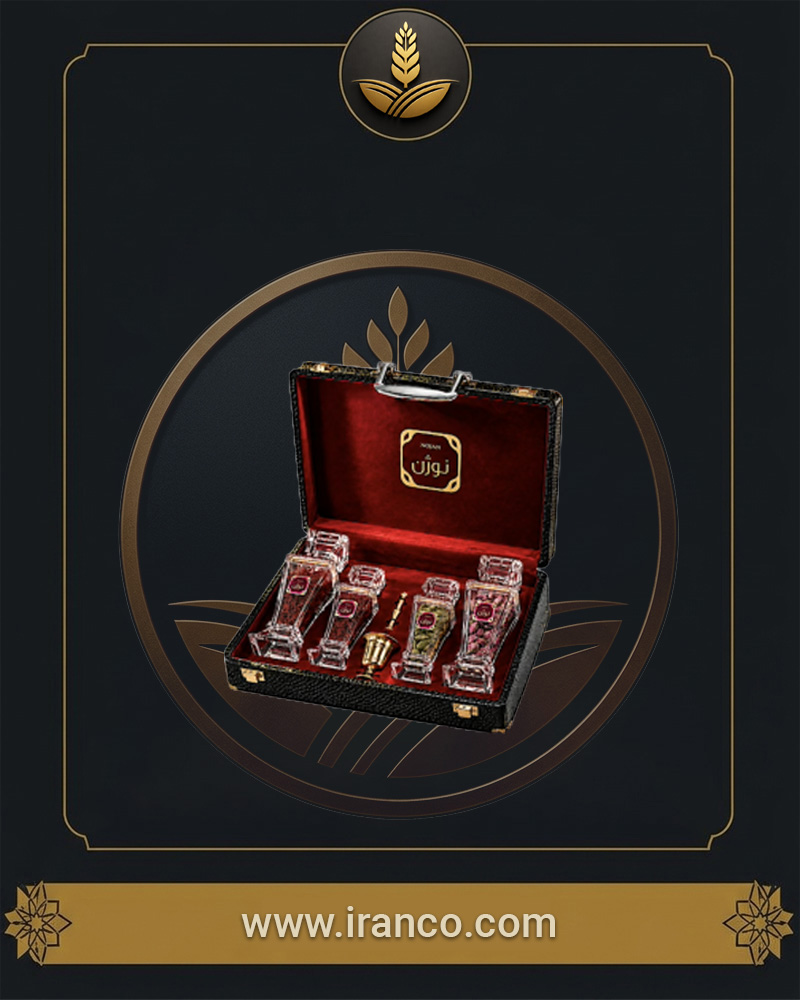
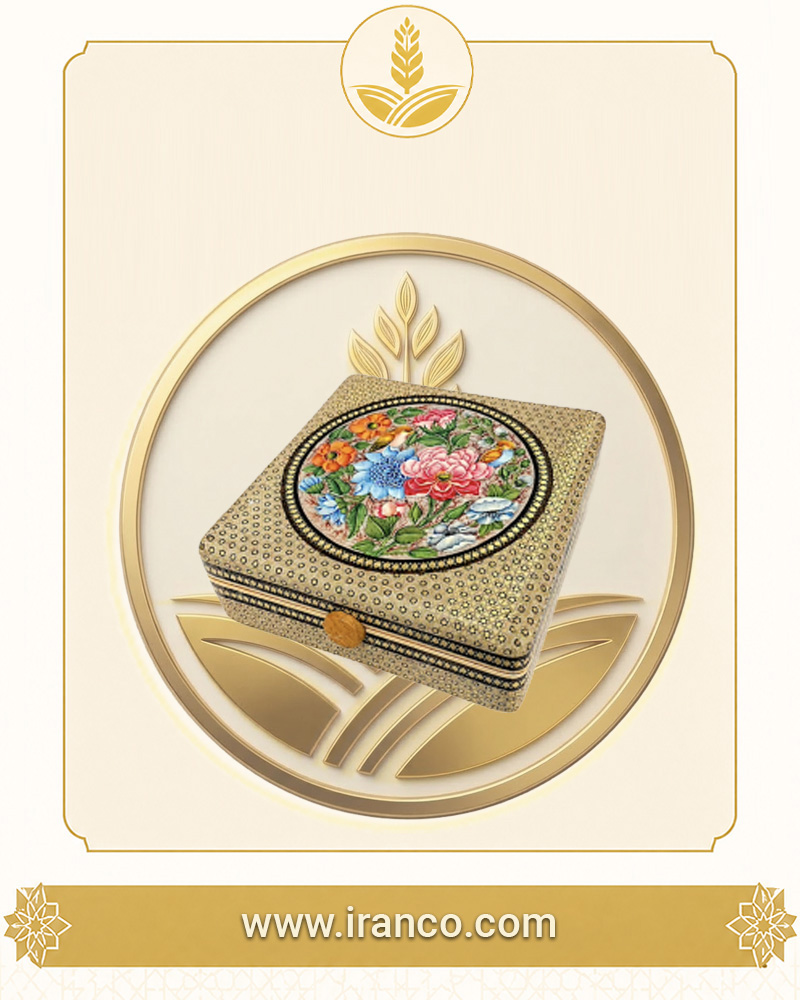
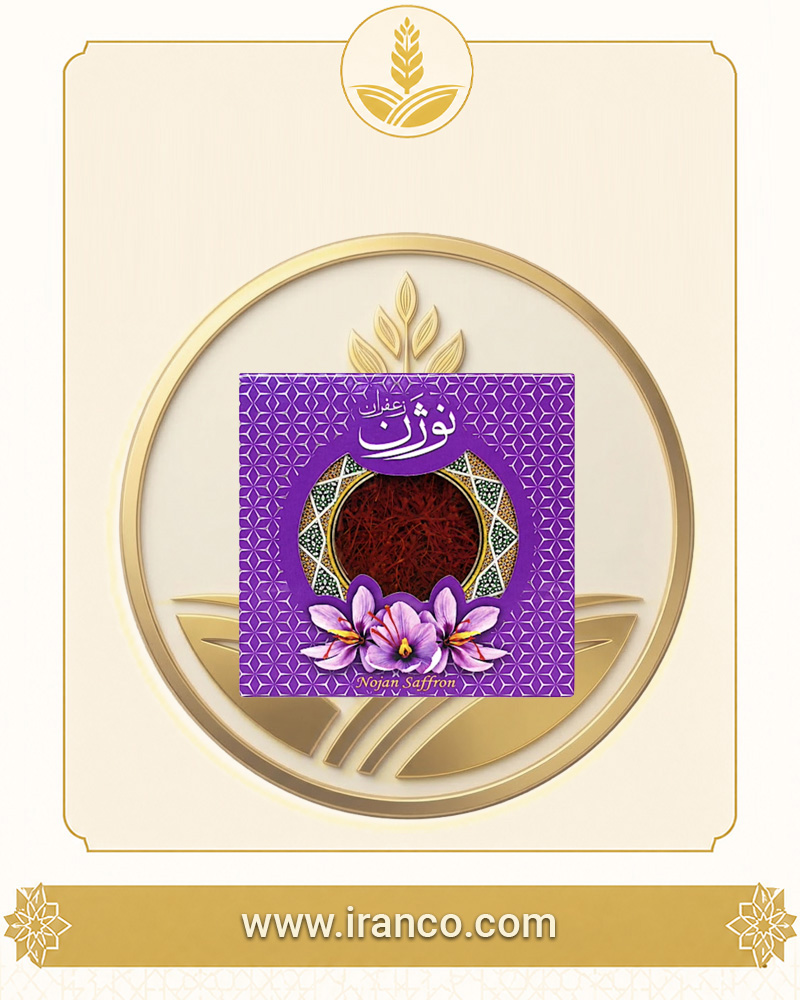
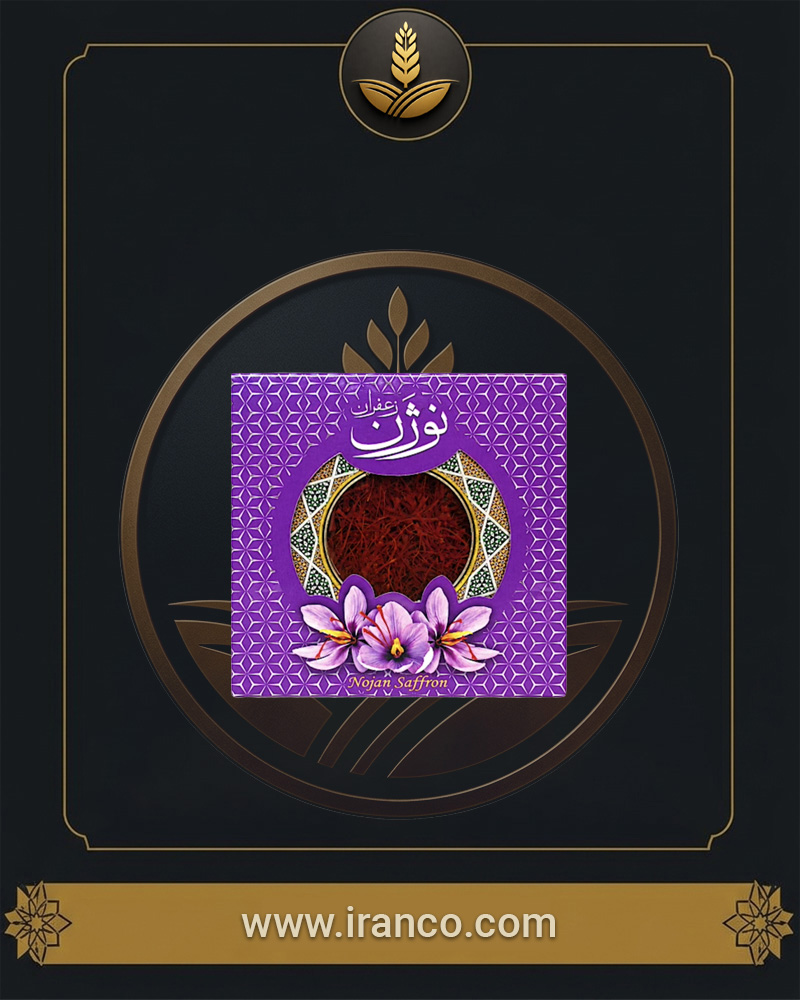
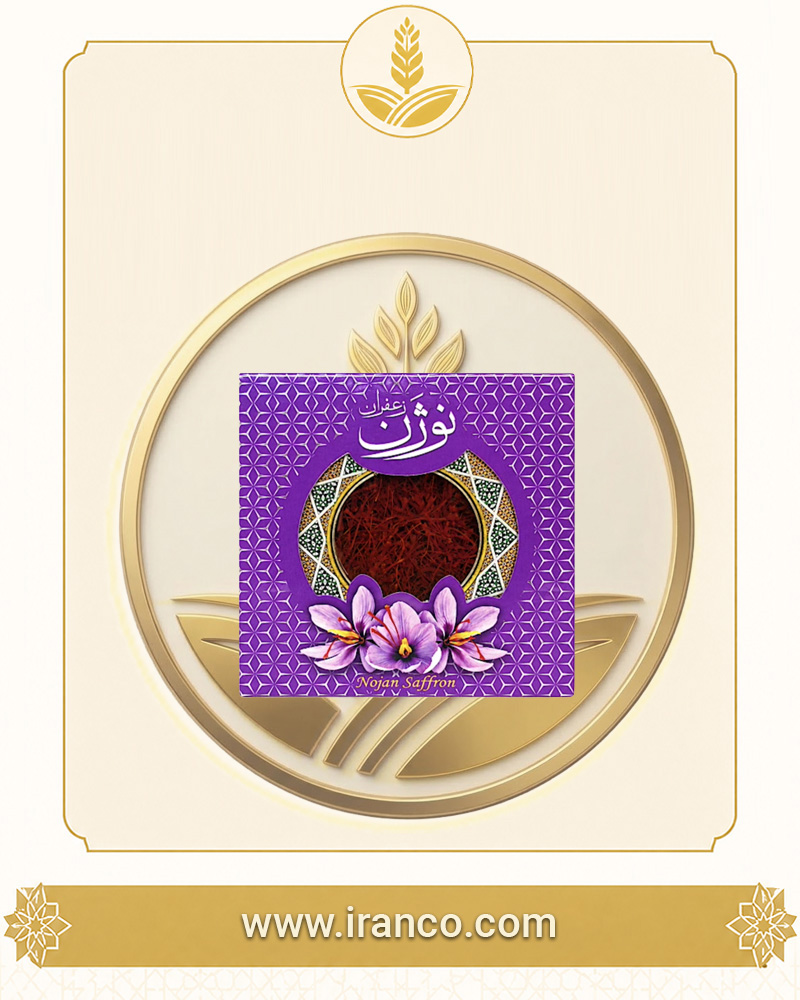
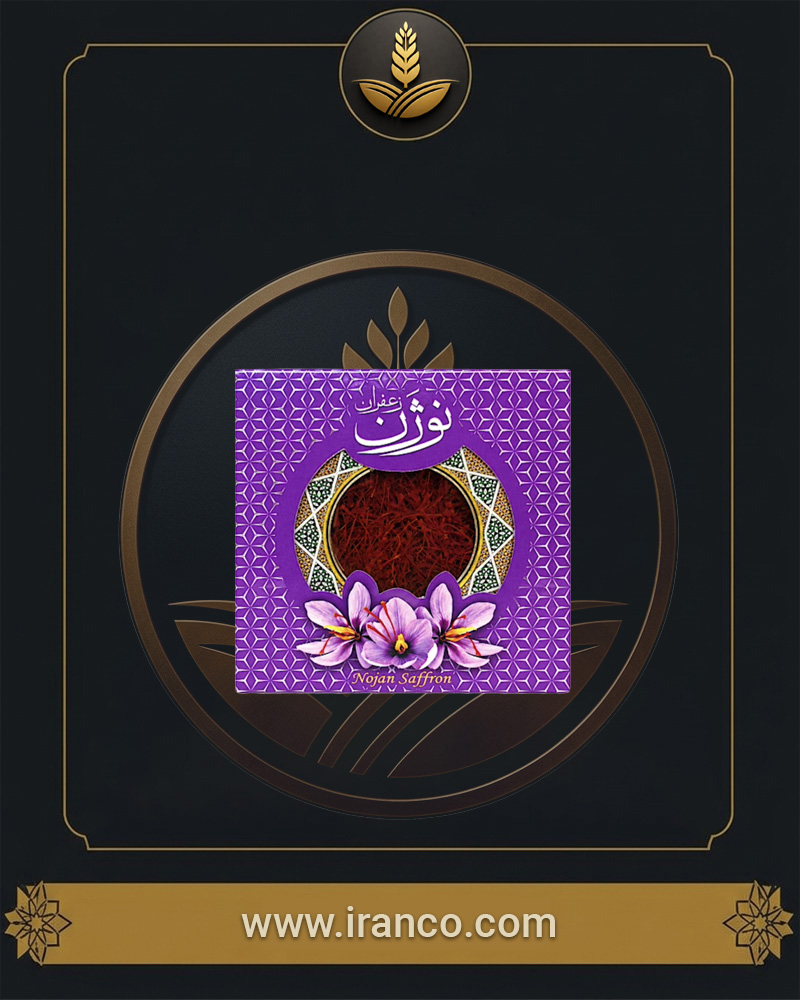
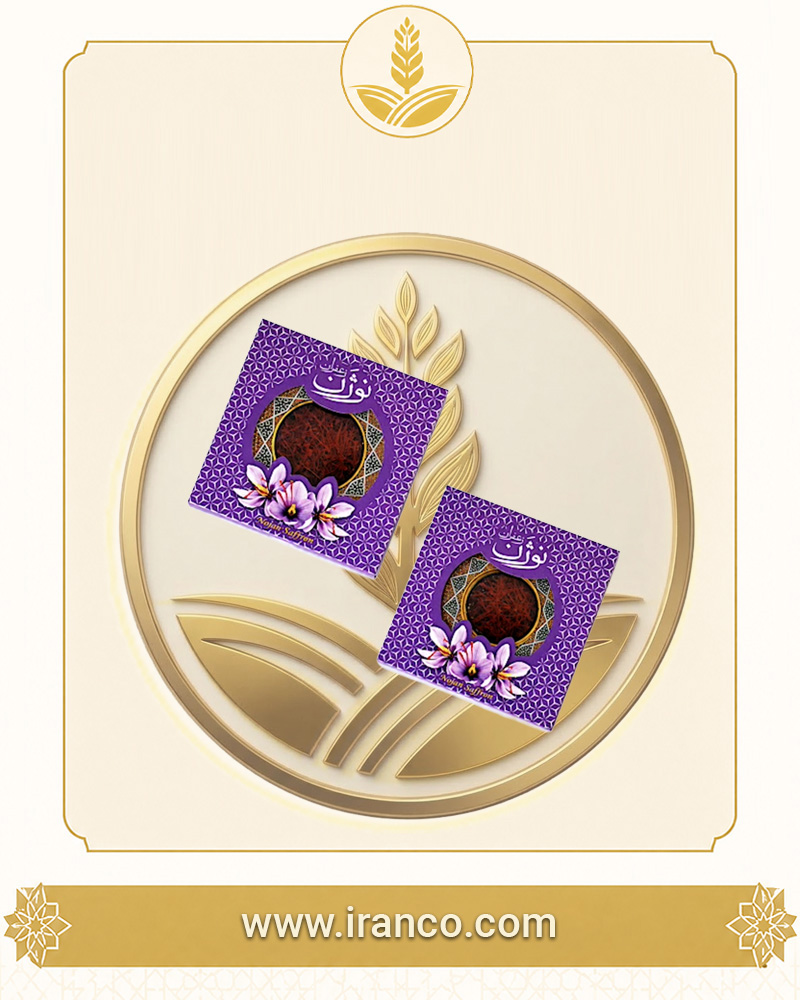
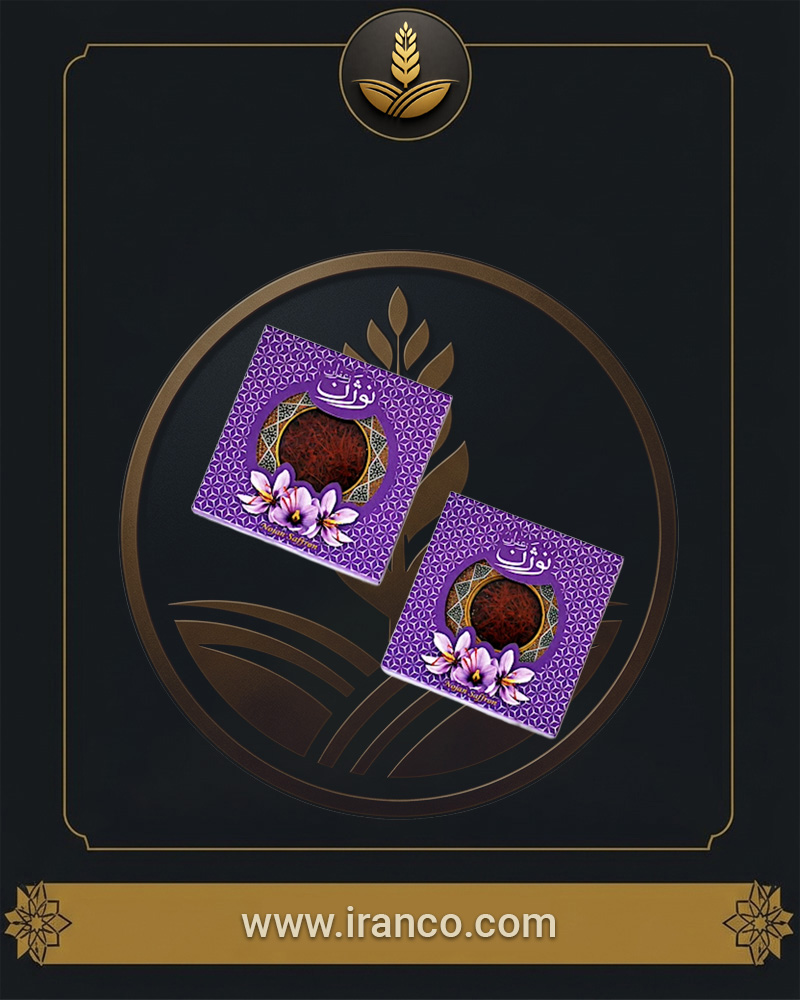
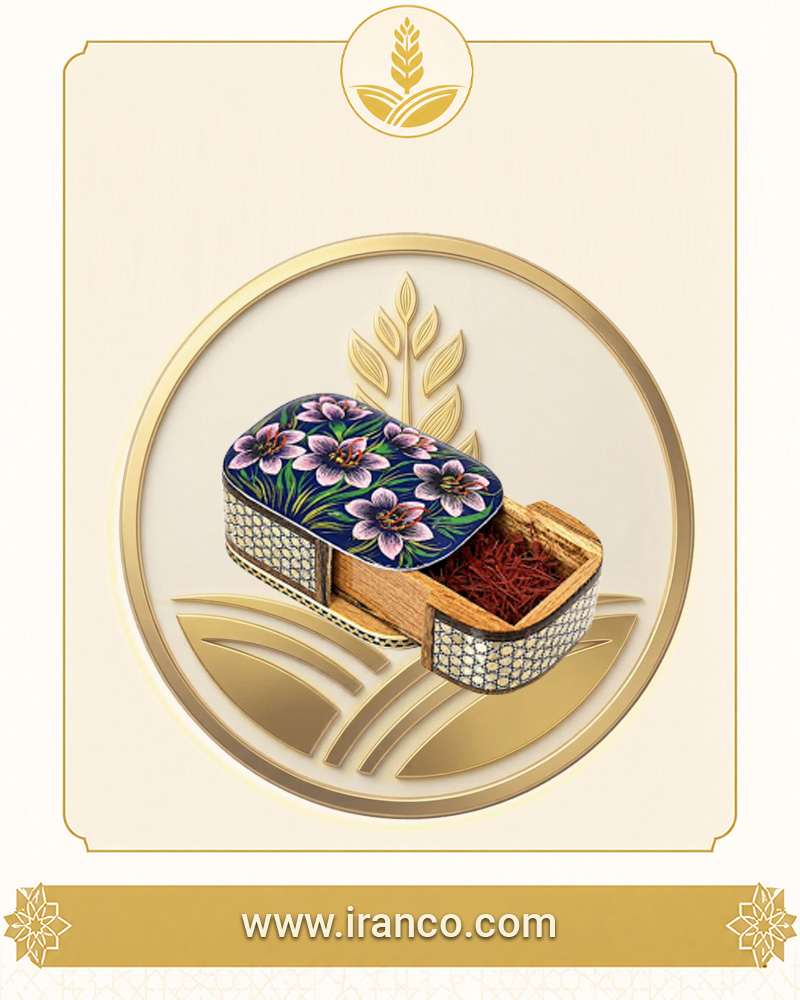
For standard packaged SKUs under the Nojan brand, wholesale order minimums start at 10 to 20 display card packs (1 to 2 master shipping cartons). For custom Private Label (OEM) projects, the MOQ is 3,000 to 5,000 units depending on the packaging medium (acrylic capsule, Khatam tin, or blister card), supported by the factory's regulatory compliance team.
Nojan Saffron maintains direct procurement contracts with certified growers across Ghaenat, Gonabad, Ferdows, and Torbat-e Heydarieh within South and Razavi Khorasan provinces. Characterized by arid microclimates, calcareous soils, and cold autumn nights, these territories yield stigmas with peak volatile essential oil and pigment content, gathered via monitored pre-dawn harvesting.
Nojan’s export division provides an end-to-end documentation portfolio including the Phytosanitary Certificate issued by the Ministry of Agriculture, Certificate of Origin from the Chamber of Commerce, certified ISO 3632 COA test reports, commercial invoices, and packing lists. Formal customs appraisal, laboratory sampling, and cargo sealing are completed via customs ports in Mashhad or Tehran IKA Airport.
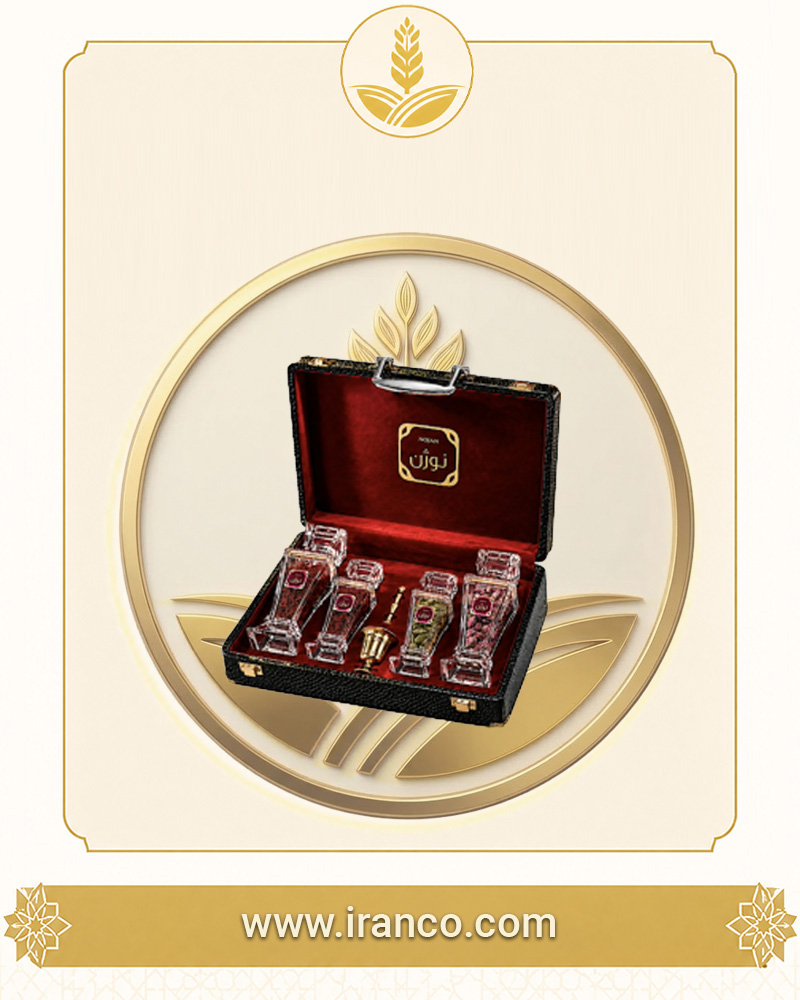
Saffron’s bioactive components are sensitive to oxygen and UV exposure. Nojan employs pharmaceutical-grade polystyrene crystal jars engineered with minimal moisture-vapor transmission rates and interference-fit lids sealed with tamper-proof security bands. This barrier keeps equilibrium moisture strictly below 10% and protects delicate stigma tissues against oxidative bleaching.
For verified trading entities and corporate buyers, official 10 to 100 gram samples from current production lots are dispatched alongside initial testing protocols. Following verification by the client’s designated laboratory, the corresponding master lot is reserved in the facility's climate-controlled warehouse, guaranteeing identical chemical and visual consistency upon contract execution.
The facility maintains a mechanized grading and packaging capacity of 500 to 800 kilograms per month. Standard display card and crystal jar orders under the Nojan brand are prepared and delivered to freight terminals within 48 to 72 business hours. Customized OEM and high-tonnage export runs require 7 to 15 business days.
Production cleanrooms at Nojan operate under positive air pressure with HEPA filtration, staffed by personnel in sterile gowning. Total plate count, coliforms, yeast, and molds are monitored under ISIRI 259. The facility avoids excessive gamma irradiation, which degrades delicate aromatic safranal, utilizing hygienic handling and controlled-atmosphere processing to minimize bioburden naturally.