 فريق مجلة إيرانكو
دليل عملي لاختيار المنتج ومراقبة الجودة ومتطلبات سلامة الغذاء والملصقات وتسجيل الاستيراد في FoSIM والإجراءات الجمركية وإدارة تخليص التين المجفف الإيراني في ماليزيا
دليل التصدير · التين المجفف · ماليزيا
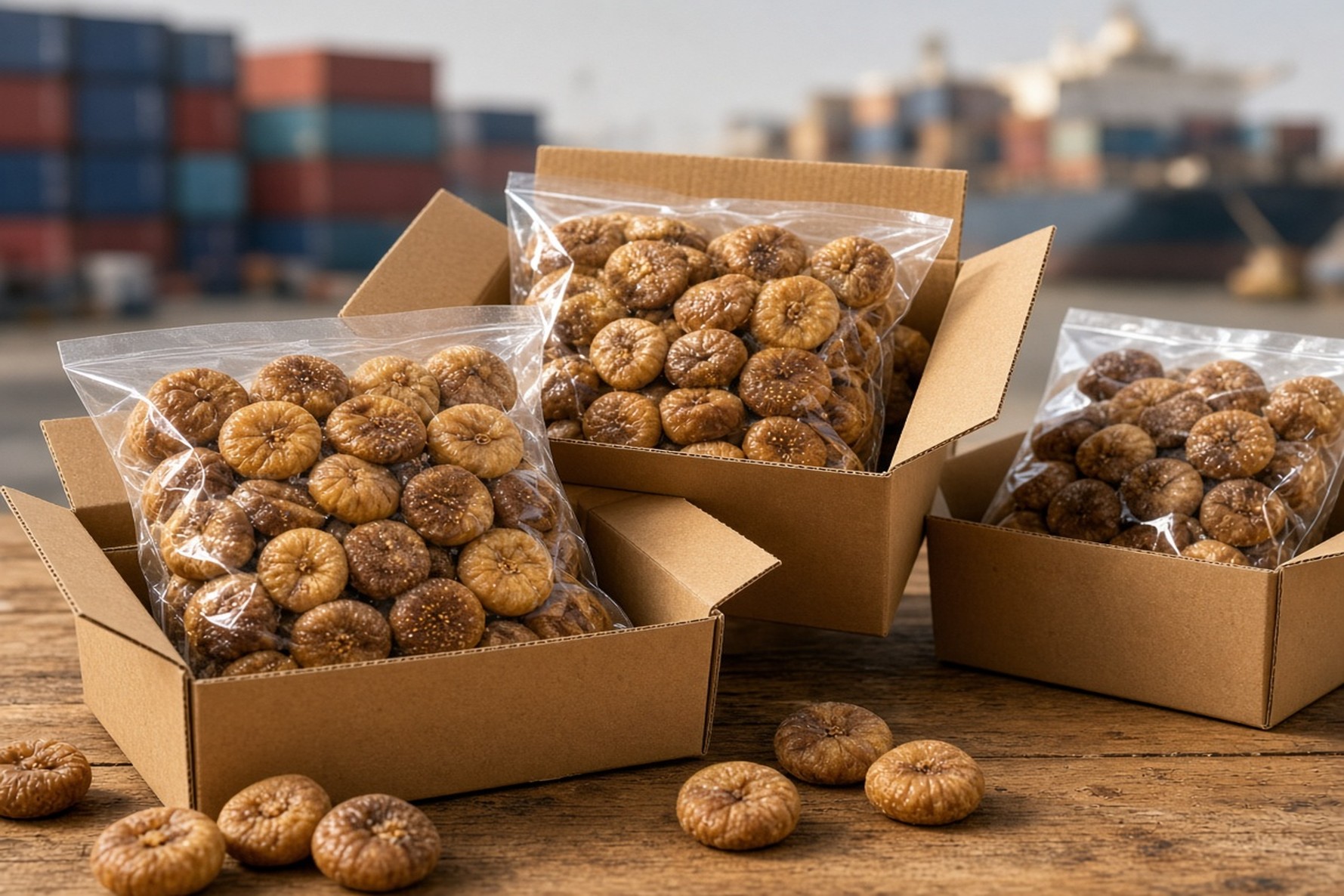
تصدير التين المجفف إلى ماليزيا؛ قوانين صحة الاستيراد والتخليص في الميناء
دليل عملي لاختيار المنتج ومراقبة الجودة ومتطلبات سلامة الغذاء والملصقات وتسجيل الاستيراد في FoSIM والإجراءات الجمركية وإدارة تخليص التين المجفف الإيراني في ماليزيا
يشغل التين المجفف في سوق ماليزيا موقعاً بين مجموعتين: فاكهة مجففة جاهزة للاستهلاك في المتاجر والتجارة الإلكترونية، ومادة أولى للخضار المجففة المختلطة والحلويات والمخابز.
للمصدر الإيراني، الميزة الرئيسية هي القدرة على توريد درجات مختلفة — من منتج كبير وفاتح للتجزئة إلى درجات اقتصادية للاستخدام الصناعي.
من جانب ماليزيا، الموضوع ليس الجمارك فقط. الغذاء المستورد يخضع لقانون الغذاء 1983 ويرتبط بنظام FoSIM لسلامة الغذاء.
يجب تصميم التصدير الناجح من نهاية السلسلة: تحديد قناة البيع أولاً، ثم الدرجة والفحوصات والتعبئة والملصق، ثم السعر والعقد.
1. ما نوع التين المجفف الذي يريده سوق ماليزيا؟
Three distinct customers must be distinguished: dried fruit importers and distributors, food repackers and industrial buyers. Acceptable specifications are not the same for all three.
In retail, product appearance matters greatly. Consumers see the pack; larger, relatively uniform, sound figs without visible mould, pest damage or mechanical injury create more value.
Retail channel
- Size uniformity
- Acceptable appearance
- Low percentage of broken or damaged fruit
- No visible contamination
- Appropriate texture — not too dry or too moist
- Packaging with adequate moisture barrier
- Label design compliant with market rules
- Option to supply under importer or private label
Export product for this channel must be defined against a purchase standard from the outset. Terms like 'grade one' or 'export quality' alone are not enough for a professional contract.
Wholesale and repacking
Some importers receive bulk packs and repack in Malaysia into smaller weights. Fig quality still matters but origin packing cost can be reduced — with clear agreement on inner bag, master carton, storage and resale timeline.
Food industry
Dried figs are used in bakery, snacks, mixed dried fruit, confectionery and other formulations. Premium appearance grade is not always economical for this customer.
| قناة الشراء | الأولوية الرئيسية | شكل التعبئة المفضل | حساسية المظهر |
|---|---|---|---|
| تجزئة ممتازة | المظهر والحجم والتجانس | عبوة المستهلك | مرتفع جداً |
| توزيع الفواكه المجففة | توازن الجودة والسعر | عبوة بالجملة أو تجزئة | مرتفع |
| إعادة التعبئة | ثبات الدرجة والتكلفة | كرتون أو كيس بالجملة | متوسط إلى مرتفع |
| صناعة غذائية | السلامة والرطوبة والسعر | عبوة صناعية | متوسط |
| التقطيع والمعالجة | السلامة وقابلية المعالجة | درجة صناعية | أقل |
Iranian exporters should not price retail figs and industrial figs on the same logic. Much of the price gap between offers comes from real differences in sorting and defect rates.
2. التين المجفف الإيراني: الدرجات ومعايير الاختيار للتصدير
In dried fig trade, the word 'variety' is often misused for what is really a commercial grade. Buyers must define grade by observable, measurable indicators.
In Iranian export dried figs, differences usually come from size, colour, eye opening, uniformity, breakage, stains, shape and cleanliness.
Size
Larger size is usually preferred in consumer packs, but 'large' alone is not a proper contract criterion. Classification method must be agreed — e.g. count per weight unit or agreed sorting system.
Colour
Iranian dried figs range from lighter to darker brown. Colour alone is not the only quality indicator. Clear retail packs need greater colour uniformity.
Shape and fruit soundness
Fruit must be checked for mould, insect contamination, foreign matter and undesirable damage. Major defects should be defined as percentages or by agreed sampling in bulk contracts.
| السمة | درجة التجزئة الممتازة | الدرجة التجارية | درجة المعالجة |
|---|---|---|---|
| تجانس الحجم | مرتفع | متوسط إلى مرتفع | أقل أهمية |
| تجانس اللون | مرتفع | متوسط | أهمية محدودة |
| الثمار المكسورة | يجب أن تكون محدودة | قابل للتفاوض | أكثر قبولاً |
| مظهر الثمرة الكاملة | مهم جداً | مهم | ثانوي |
| الرطوبة والاستقرار | مهم جداً | مهم جداً | مهم جداً |
| التلوث والعفن | غير مقبول وفق المواصفات المتفق عليها والقانون | نفس الشيء | نفس الشيء |
| الاستخدام | عبوة المستهلك | بيع بالجملة | تقطيع وإنتاج |
A lower grade does not mean unsafe product. Commercial grade can be fully food-safe but worth less in appearance, size or uniformity.
3. المواصفات الفنية التي يجب أن يدرجها المشتري الماليزي
A main cause of dispute between initial sample and final shipment is an vague purchase specification sheet.
In professional buying, at least the following should be fixed before requesting a commercial offer.
| المعيار | الخيار أو المعيار المتفق عليه | أهمية للمشتري |
|---|---|---|
| شكل المنتج | كامل، منفتح، مفروم أو مخصص للمعالجة | يحدد الاستخدام |
| الدرجة التجارية | حسب العينة والمواصفات المكتوبة | مقارنة السعر |
| الحجم | تصنيف متفق عليه | المظهر والسعر |
| اللون | نطاق مقبول | التجزئة |
| الرطوبة | مستوى وطريقة اختبار متفق عليهما | مدة الصلاحية والملمس |
| الكسر | حد قبول | المظهر والعائد |
| المواد الغريبة | حد قبول تعاقدي | السلامة والنظافة |
| تلوث الحشرات | معيار الرفض | السلامة والتخليص |
| العفن والفساد | معيار الرفض | سلامة الغذاء |
| نوع العبوة | تجزئة أو بالجملة | قناة البيع |
| الوزن الصافي | وزن كل عبوة | التسعير والملصق |
| الفحوصات | حسب احتياج المستورد واللوائح | التحكم بالمخاطر |
| الصلاحية المتبقية | اتفاق المشتري | إدارة المخزون |
Why should moisture be contractual?
Moisture balance in dried figs affects texture, stickiness, stability and spoilage risk.
The acceptable level and measurement method must be written in the purchase spec — not debated after arrival as 'too dry or too soft'.
Reference sample
For bulk orders, an approved sample should be registered as the commercial reference — but a physical sample alone is not enough.
This is especially important for Malaysian buyers because transit, warehousing and distribution make small initial moisture and quality differences more visible at destination.
4. مراقبة الجودة والفحوصات قبل تصدير التين المجفف
Quality control should operate at three levels: visual inspection, physical tests and food safety tests — aligned with buyer specs and Malaysian entry requirements.
Visual inspection
- Size uniformity
- Colour
- Abnormal stains
- Signs of mould
- Insects or remains
- Foreign matter
- Mechanical damage
- Odour change
- Abnormal stickiness
- Pack condition
Aflatoxin and other mycotoxins
Dried fruit in a poor supply chain can be exposed to mould growth. Mycotoxin control must reflect real product risk and importer requirements.
Sampling method matters more than a single test certificate. Fungal contamination can be heterogeneous; a non-representative sample gives no reliable picture of the load.
Pesticide residues
If buyer or market requires pesticide residue control, the test panel must match regulations and production history — not a random long list.
Microbiological tests
For ready-to-eat product, buyers may set microbiological specifications. Test type must match end use and applicable product rules.
Sulphur dioxide and additives
Any preservative or additive must comply with Malaysian rules and label declaration. For natural dried figs, buyers should state clearly whether additive-free product is required.
Certificate of analysis
The COA must link exactly to the batch to be loaded. A common mistake is using one batch result as a general factory quality document for several shipments.
For the importer, batch number, production or packing date, test report and shipment number must be traceable together.
5. قوانين صحة استيراد التين المجفف إلى ماليزيا
Commercial food import control in Malaysia operates under Food Act 1983 and regulations issued under it. Food standard, safety and labelling requirements are largely set in Food Regulations 1985.
For dried fig importers, the practical outcome is clear: product must comply with Malaysian law on composition, safety, additives and labelling before entry. Fixing problems after container arrival is usually far costlier than control at origin.
Do imported foods in Malaysia need a general import permit?
Food import under Malaysia's Ministry of Health is not generally limited to one 'general food import licence'. Commercial food entry approval at the point of entry is processed through the food import control system and FoSIM.
That does not mean no other requirements exist. Some goods may need additional documents, other agency approval or agricultural inspection.
What role does FoSIM play?
FoSIM is Malaysia's Food Safety Information System used to manage and approve imported food. Importers or their representatives must have the necessary registration before related formalities.
From 1 June 2025, Ministry of Health food safety authority approval for food declared via customs form K1 is active at 71 origins or customs stations — making correct shipment data and customs declaration alignment even more important.
Inspection and sampling
Imported food may at entry undergo document review, inspection, sampling or hold pending test results under risk-based control. A COA at origin does not guarantee clearance without destination sampling.
6. المتطلبات النباتية ومراقبة التين المجفف عند الدخول
Dried figs are food but also of plant origin. Food safety control and plant product control are not necessarily handled by one single authority.
In Malaysia's tariff and import restriction system, figs fall under 0804.20. Entry conditions for dried and processed products in this group must match the status registered for that code and product form.
Rules for entry via Kuala Lumpur or Port Klang must not be assumed to apply to Sabah and Sarawak without verification.
Phytosanitary certificate
Phytosanitary certificate need must be assessed by exact product nature, degree of processing and conditions stated for the import code. Dried processed product must not be treated like fresh fruit for quarantine rules.
This check is done before bill of lading issue — not when cargo has already reached port.
7. وضع ملصقات التين المجفف لسوق ماليزيا
Labelling is one of the most common problem points in food import. A pack designed for another market is not automatically suitable for Malaysia.
Product label must comply with Food Regulations 1985 and present information clearly and without misleading consumers.
Product name
If the product is simply dried figs, the pack name must show the true food nature. A trade name cannot replace the food name.
Ingredient list
A single-ingredient product with no additives differs from product with preservative, coating or other added material.
Net weight
Declared pack weight must match the actual pack. Pre-export weight control matters — systematic gap between declared and actual weight can create compliance problems.
Country of origin
For Iranian export figs, origin must be stated correctly. If packing or processing occurred elsewhere, presentation must not mislead about product origin.
Date and storage conditions
Date format and storage text must match regulations and product characteristics. Exporters should not simply translate a domestic Iran label template.
Label language
Malaysia label design must match language rules for imported food. Final artwork should be approved by the importer and a Malaysia label compliance specialist before printing thousands of packs.
8. رمز التعرفة والمستندات المطلوبة للتخليص
Fresh or dried figs in the Harmonized System fall under HS Code 0804.20. Malaysian import declaration must use the full national code and accurate goods description.
The HS code is not only for duty calculation — it can determine which restrictions, permits or inspections attach to the goods.
Basic commercial documents
- Commercial invoice
- Packing list
- Bill of lading
- Malaysian import declaration K1
- Certificate of origin if commercially or tariff required
- Test documents and COA if requested
- Plant health related documents if required
- Additional documents demanded for shipment or import control programme
Alignment of product name, weight, pack count, container number and party details across documents is essential. Even a simple weight mismatch between invoice and packing list can slow review.
How to check the tariff?
Import duty rate must be checked against the current Malaysian tariff schedule, full national code and origin conditions at transaction time. Destination duty and tax responsibility under chosen Incoterms must be fully clear in export pricing.
9. تخليص التين المجفف في الميناء: من وصول السفينة إلى خروج الحاوية
Port Klang is the main seaport gateway for the Klang Valley and a practical entry point for food products into Malaysia. Actual clearance path depends on port of entry, carrier, declaration type, inspection level and shipment status.
The process can be reviewed in several commercial stages.
Stage 1: Pre-arrival document submission
Importer or broker should receive documents before vessel arrival. Late final invoice, packing list or B/L is an unnecessary error in food trade. Exporters should send a complete scanned document set for importer approval before vessel departure.
Stage 2: Customs declaration
Shipment data is entered in the K1 declaration. Commodity code, description, value, country of origin, weight and other fields must match original documents.
Stage 3: Food safety control
For imported food, Ministry of Health approval is processed through FoSIM and the entry-point process. Cargo may pass document review only or be selected for inspection and sampling by risk level.
Stage 4: Plant health control
If code and product form trigger agricultural authority review, that control must also be completed. Exporters should provide documents requested by the importer for this stage in advance.
Stage 5: Payment and customs release
After required approvals and payment of duty, tax or other legal charges, customs enables release.
Stage 6: Container delivery
Even after official approval, practical exit involves settlement with shipping line, terminal, domestic haulier and delivery coordination. Delay can create detention, storage or demurrage costs.
| المرحلة | الطرف المسؤول الرئيسي | المخاطر الشائعة |
|---|---|---|
| إعداد المستندات | المُصدّر والمستورد | عدم تطابق المستندات |
| إقرار K1 | المستورد/الوسيط | رمز أو وصف خاطئ |
| FoSIM | المستورد والجهة الصحية | تسجيل ناقص أو تفتيش |
| الرقابة الزراعية | المستورد والجهة المختصة | غياب المستند المطلوب |
| التفتيش/أخذ العينات | الجهة الحكومية | تأخير حتى النتائج |
| الإفراج | الجمارك | رسوم مستحقة أو موافقة ناقصة |
| الخروج من الميناء | الوسيط والناقل | تكلفة التوقف |
Clearance management should start before container movement — waiting until vessel arrival to review regulations is high-risk in food trade.
10. تعبئة وشحن التين المجفف بحرياً إلى ماليزيا
Malaysia has a hot, humid climate. Dried fig packaging must protect against moisture exchange, contamination and mechanical damage throughout transport and storage.
Bulk packaging
For bulk sale, cartons with suitable inner packs can be used. Inner layer material must be chosen for moisture protection and food contact.
Cartons need sufficient strength for palletising, container transport and warehouse conditions.
Consumer packaging
For shelf-ready product, the wrap must perform technically — water vapour transmission, seal quality, puncture resistance and food-contact compatibility — not just look good.
Dry or refrigerated container?
Dried figs are not generally tied to mandatory cold chain like fresh fruit, but container type must be chosen by product moisture, packaging, season, route, dwell time and agreed conditions.
Many dried nut cargoes use dry containers with proper moisture and stowage management. The main issue is preventing water ingress, internal condensation and contact with wet container surfaces.
Pre-load container inspection
- Dry floor
- No holes or abnormal light entry
- No odour from previous cargo
- Clean interior
- No obvious contamination or pest signs
- Sound doors and gaskets
- Suitable for food cargo
Container condensation control
Day-night temperature difference and environmental change on sea voyage can create moisture on cold surfaces. Proper packaging, stable load temperature, avoiding wet cargo and managing container airspace reduce this risk.
11. كيف يُحدد سعر التين المجفف للتصدير إلى ماليزيا؟
There is no single 'export price' for dried figs. Two offers with the same name can differ sharply in real quality.
- Purchase season in Iran
- Appearance grade
- Size
- Uniformity percentage
- Breakage and defect level
- Moisture and product condition
- Manual or mechanical sorting
- Quality control level
- Required testing
- Bulk or retail packaging
- Order volume
- Private label
- Domestic haulage cost in Iran
- Port of exit
- Delivery method and terms
- Ocean freight rate
Malaysian buyers comparing offers must ensure the price basis is identical. Comparing per-kg premium retail pack price with commercial bulk carton fig is not useful.
Correct offer comparison
| العامل | العرض أ | العرض ب | لماذا يهم؟ |
|---|---|---|---|
| الدرجة | يجب أن تتطابق | يجب أن تتطابق | أكبر محرك للفرق السعري |
| الحجم | محدد | محدد | تأثير مباشر على السعر |
| تحمل العيوب | محدد | محدد | يحدد الجودة الفعلية |
| التعبئة | نفس المستوى | نفس المستوى | بند تكلفة مهم |
| الفحص | متطابق | متطابق | التكلفة والمخاطر |
| Incoterms | متطابق | متطابق | مقارنة السعر الحقيقي |
| الوجهة | ميناء واحد | ميناء واحد | مقارنة الشحن |
Buyers evaluating several Iran supply options should register exact grade, pack weight, volume and destination on Iranco so offers are reviewed on the same need — not generic 'export fig'.
قائمة تحقق المستورد قبل تسجيل الطلب
Before issuing purchase order, a Malaysian importer should finalise:
- تحديد شكل المنتج: تين كامل، درجة تجزئة أو منتج مناسب للمعالجة.
- تعريف الدرجة بمواصفات: لا تستخدم مصطلحات مثل ممتاز دون معايير قابلة للقياس.
- الحصول على عينة حقيقية: يجب أن تمثل العينة الدفعة القابلة للشحن.
- تأكيد الحجم والتجانس: يجب الاتفاق على طريقة الفرز بين الطرفين.
- تسجيل الرطوبة المستهدفة في العقد.
- تحديد حدود العيوب الظاهرية: الكسر والبقع والثمار التالفة والمواد الغريبة.
- تحديد خطة الفحص قبل الإنتاج أو التعبئة النهائية.
- ربط COA برقم الدفعة.
- تأكيد حالة رمز التعرفة 0804.20 في النظام الماليزي.
- مراجعة متطلبات وزارة الصحة وFoSIM قبل الشحن.
- تأكيد متطلبات الصحة النباتية لشكل المنتج الدقيق.
- مراجعة ملف الملصق قبل الطباعة بالجملة.
- تأكيد نوع العبوة الداخلية والكرتون الرئيسي.
- تحديد شروط التحميل على منصات أو بدون منصات.
- إدراج شروط التسليم وIncoterms في العقد.
- تحديد ميناء الوجهة ووسيط التخليص قبل الشحن.
- مراجعة مسودة مستندات الشحن قبل الإصدار النهائي.
- تسجيل معايير قبول الشحنة في الوجهة كتابياً.
This checklist should be part of the buying process — not action taken after cargo arrival.
ما المعلومات المطلوبة للحصول على سعر دقيق؟
In a dried fig price request for Malaysia, specify at least:
- Product form and commercial grade
- Target size
- Preferred colour or appearance range
- Target moisture if technical spec exists
- Maximum breakage and defect tolerance
- Special testing requirements
- Weight per pack
- Consumer or bulk pack
- Total order quantity or weight
- Private label requirement
- Label language and specifications
- Destination port in Malaysia
- Delivery terms
- Sea or air freight
- Approximate required delivery time
Without this information, two received prices are not necessarily comparable. Buyers can enter the same details in an Iranco purchase request.
مسار توريد التين المجفف من إيران لسوق ماليزيا
In international dried fig buying, the real difference between suppliers is not price per kilo alone.
The right approach is to prepare a written purchase specification first, then compare samples and commercial offers against that sheet.
Iranco lets buyers and importers submit dried fig supply requests with grade, size, order volume, packaging and destination country so available Iran options are reviewed on that basis.
For Malaysia, the same request should specify destination port, sales model and whether product is for retail packing, repacking or industrial processing — to refine grade and pack type selection.
الخلاصة
Dried fig export to Malaysia becomes reliable when three matters are managed together: real product quality, regulatory compliance and clearance readiness. Focus on purchase price alone can create hidden costs later as quality disputes, label rework, sampling, container detention or document mismatch.
For professional buyers, the first decision is product use. Figs chosen for clear retail packs are not the same grade as chopping or industrial use.
On regulations, Food Act 1983, Food Regulations 1985, the FoSIM process and requirements linked to code 0804.20 are the import review foundation.
Because dried figs are both food and plant-origin product, importers must verify health and agricultural control status for the exact product form and entry point before shipment.
القاعدة العملية: التخليص لا يبدأ عند وصول الحاوية — بل عند تحديد مواصفات الشراء.
أسئلة شائعة
ما رمز التعرفة لاستيراد التين المجفف إلى ماليزيا؟
يُصنّف التين الطازج أو المجفف ضمن HS Code 0804.20 في النظام المنسق. للإقرار في ماليزيا يجب التحقق من الرمز الوطني الكامل والوصف الدقيق للمنتج في نظام الجمارك. الرمز الدولي الأساسي وحده لا يكفي لتحديد جميع الرسوم والضرائب وقيود الدخول.
هل يلزم تصريح صحي لاستيراد التين المجفف إلى ماليزيا؟
تخضع الأغذية التجارية المستوردة لإشراف وزارة الصحة الماليزية وقوانين سلامة الغذاء، ويتم اعتماد الدخول عبر آلية FoSIM. بالإضافة إلى الرقابة الغذائية، يجب أيضاً مراجعة لوائح المنتجات النباتية والمتطلبات المرتبطة بالرمز الدقيق للسلعة.
هل التين المجفف الإيراني مناسب للبيع المباشر في متاجر ماليزيا؟
نعم، بشرط أن تكون الدرجة والتعبئة والسلامة والملصق مصممة للبيع بالتجزئة. غالباً ما يكون التين الأكبر والأكثر تجانساً أكثر جاذبية في العبوات الشفافة، لكن المظهر ليس المعيار الوحيد. التحكم بالرطوبة وغياب الفساد والتلوث وجودة الختم وامتثال الملصق أساسية للمنتج الجاهز للاستهلاك.
ما الفحوصات الأهم للتين المجفف للتصدير؟
يجب تحديد الفحوصات حسب مخاطر المنتج وطلب المستورد. الرطوبة والحالة الميكروبيologische والمycotoxins وبقايا المبيدات و—عند الاستخدام—المضافات أو المواد الحافظة من مجالات مراجعة مهمة. لاختبارات مثل mycotoxins، أخذ عينات تمثيلية من الدفعة أمر بالغ الأهمية.
ما أفضل تعبئة لشحن التين المجفف بحرياً إلى ماليزيا؟
يجب أن توفر التعبئة حاجزاً مناسباً للرطوبة وتبقى مستقرة في الظروف الحارة الرطبة في ماليزيا. للطلبات بالجملة تُستخدم عادة عبوات داخلية مناسبة في cartons قوية؛ للتجزئة، جودة الغلاف والختم أكثر أهمية.
لماذا تهم الرطوبة عند شراء التين المجفف؟
الرطوبة تؤثر على الملمس واللزوجة والاستقرار وسلوك المنتج أثناء التخزين. التين شديد الجفاف قد يفتقر إلى جاذبية المستهلك، بينما الرطوبة الزائدة تزيد مخاطر التخزين. يجب على المشتري تحديد القيمة المستهدفة وطريقة الاختبار في مواصفات الشراء.
هل يجب شحن التين المجفف في حاوية مبردة؟
لا يوجد شرط عام مماثل للفاكهة الطازجة. كثير من شحنات المجفف تُنقل في حاويات جافة مناسبة إذا تم التحكم بالتعبئة ورطوبة المنتج وحالة الحاوية. الخطر الرئيسي في الحالتين هو إدارة الرطوبة والتكثف بشكل غير مناسب.
ما المعلومات التي يجب إعطاؤها للبائع عند شراء التين المجفف الإيراني؟
يجب على المشتري تحديد الدرجة والحجم واللون المستهدف وتحمل العيوب والرطوبة ونوع العبوة ووزن العبوة وحجم الطلب والفحوصات المطلوبة والوجهة وشروط التسليم. للبيع بعلامة خاصة، أضف مواصفات الملصق.
هل العينة المعتمدة كافية لمراقبة جودة الشحنة؟
لا. العينة المرجعية مفيدة، لكن المعايير الرقمية والمكتوبة ضرورية أيضاً. يجب تعريف الحجم والرطوبة ونسبة الكسر والعيوب والمواد الغريبة ومعايير أخرى مهمة في مواصفات الشراء.
منتجات مميزة





مقالات ذات صلة



