 Iranco Dergisi Ekibi
Umman ithalat pazarı, İran soğan konumu, tarife kodu, bitkisel ürün ithalat izinleri, bitki sağlık sertifikası, kalite kontrolü, ambalaj ve Sohar ile Salalah'ta pratik gümrük çıkış gereklilikleri
İhracat Rehberi · Taze Soğan · Umman
Umman'a Soğan İhracatı: Gümrük Tarifeleri, Karantina Belgeleri ve Sohar ile Salalah Limanları
A practical guide to entering Oman’s market with fresh Iranian onions — from Iran’s position in 2024 imports and HS kodu 07031011 to pre-loading quality control, phytosanitary certificates, import permits, and port selection.
Dört Temel Gösterge — Umman Soğan Pazarı
The statistics above are based on Oman’s 2024 foreign trade data for fresh onion classification. Oman is one of the Arabian Peninsula’s important onion import markets, and Iran — with a significant supply share — competes directly with India, Pakistan, Egypt, and the UAE. Export success depends on quality control, quarantine document compliance, and transport route selection.
İşlenmiş ürünlerden farklı olarak, taze soğanın ticari değeri hasat kalitesi, boyun kuruluğu, et sertliği, kabuk durumu, depolama, taşıma havalandırması ve bitki sağlık belgelerinin uyumuna bağlıdır. Umman'a ihracat için depoda ürün bulundurmak yeterli değildir.
Bu rehber, İran'dan Umman'a soğan ihracatının başlıca ticari ve teknik gerekliliklerini ele alır.
Umman yalnızca coğrafi olarak yakın bir pazar değildir; ürün birden fazla filtreden geçmelidir.
Soğan hasat ve yüklemede birçok tarım ürününden daha hassastır.
Umman taze bitki ithalatlarında karantina gerekliliklerini sıkı uygular.
İranlı üretici ve ihracatçılar için fırsat, ürün baştan ihracat için tasarlandığında ortaya çıkar.
1. Umman soğan pazarı ve İran'ın konumu
Umman, taze soğan ihtiyacının önemli bir kısmını ithalatla karşılar. 2024 dış ticaret verileri, Umman soğan ithalatının yaklaşık 106,1 milyon kg ve yaklaşık 75,4 milyon ABD doları değerinde olduğunu gösterir. Bu hacim soğanın Umman gıda sepetinde temel bir ürün olduğunu; talebin yıl boyunca istikrarlı kaldığını, ancak tedarik kaynaklarının mevsim ve küresel fiyata göre değiştiğini gösterir.
2024'te İran Umman'a yaklaşık 16,7 milyon kg soğan ihraç etmiş ve pazarın önemli tedarik menşelerinden biri olmuştur. Coğrafi yakınlık, İran'da çok mevsimli hasat kapasitesi ve Ummanlı ithalatçıların İran soğanına aşinalığı İran'ın bölgesel rekabet gücünü korur — ancak değişken kalite, Hindistan ve Pakistan'dan fiyat rekabeti ve sıkı belge gereklilikleri ciddi zorluklar olarak kalır.
Ticari mesaj açıktır: İranlı ihracatçı, benzer ürünün kıt olduğu bir pazarla karşılaşmaz. Rekabet Hindistan, Pakistan, Mısır ve BAE'den gelen büyük tedarik zincirleriyle yapılır — ambalaj, hacim ve belgeleri Körfez pazarı için zaten standartlaştırılmış şirketlerle.
Potansiyel müşteriler kimlerdir?
İhracat kalitesinde taze soğan için birkaç satın alma kanalı mümkündür:
- Taze gıda ithalatçıları ve distribütörler;
- Meyve ve sebze toptancıları;
- Restoran ve yemek hizmeti tedarikçileri;
- Tüketici ambalajı kullanılan perakende zincirler ve mağazalar;
- Ekonomik ürün ve toplu ambalaj distribütörleri (toptan pazar);
- Soğanı hammadde olarak kullanan gıda işleme endüstrileri.
İranlı ihracatçı için uzman bir ithalatçıya toptan satış, doğrudan perakendeye erişmeye göre genellikle daha mantıklı bir giriş noktasıdır. Yerel ithalatçı depolama, gümrük clearance, dağıtım ve müşteri ağını kontrol eder.
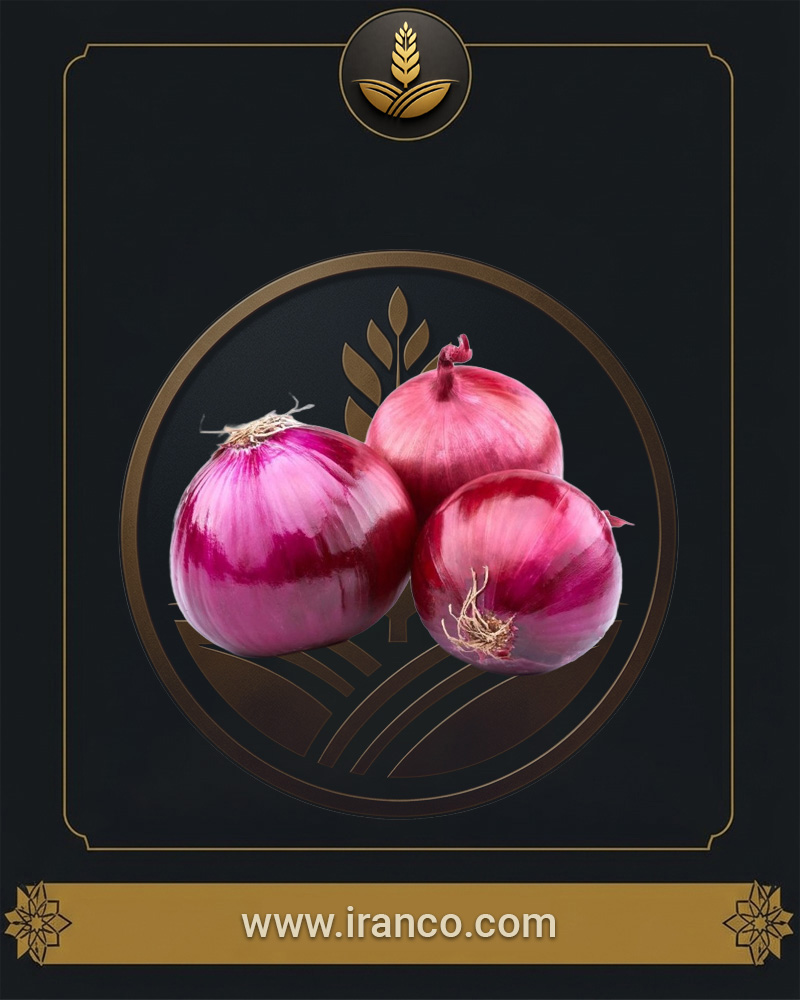
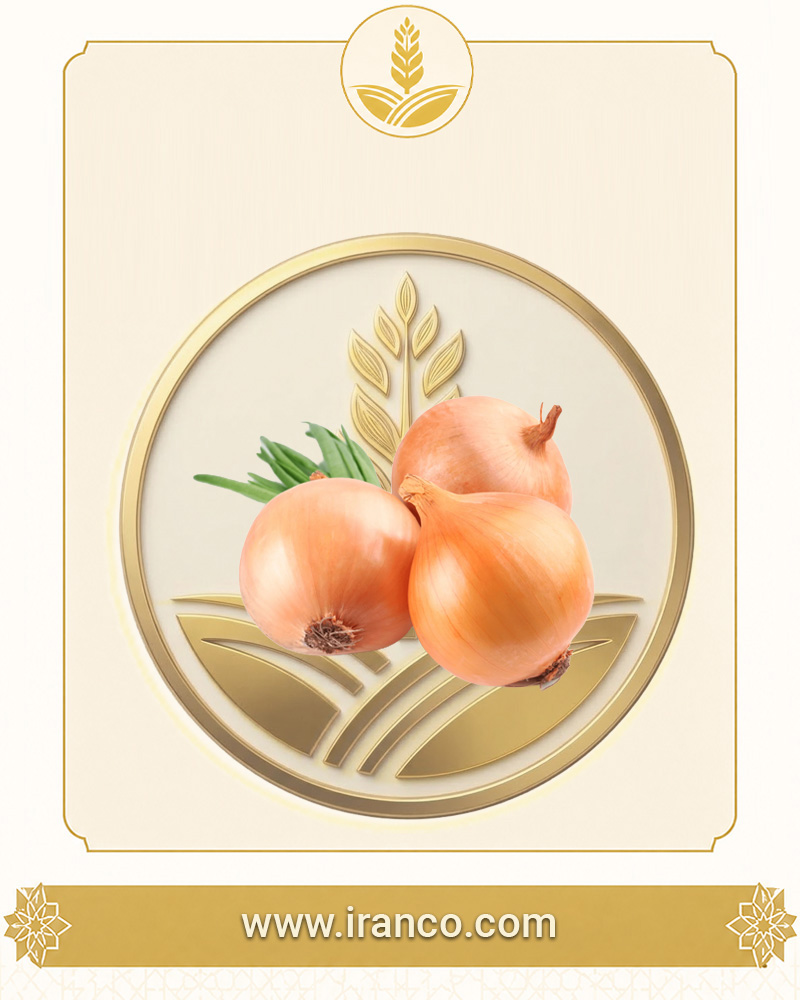
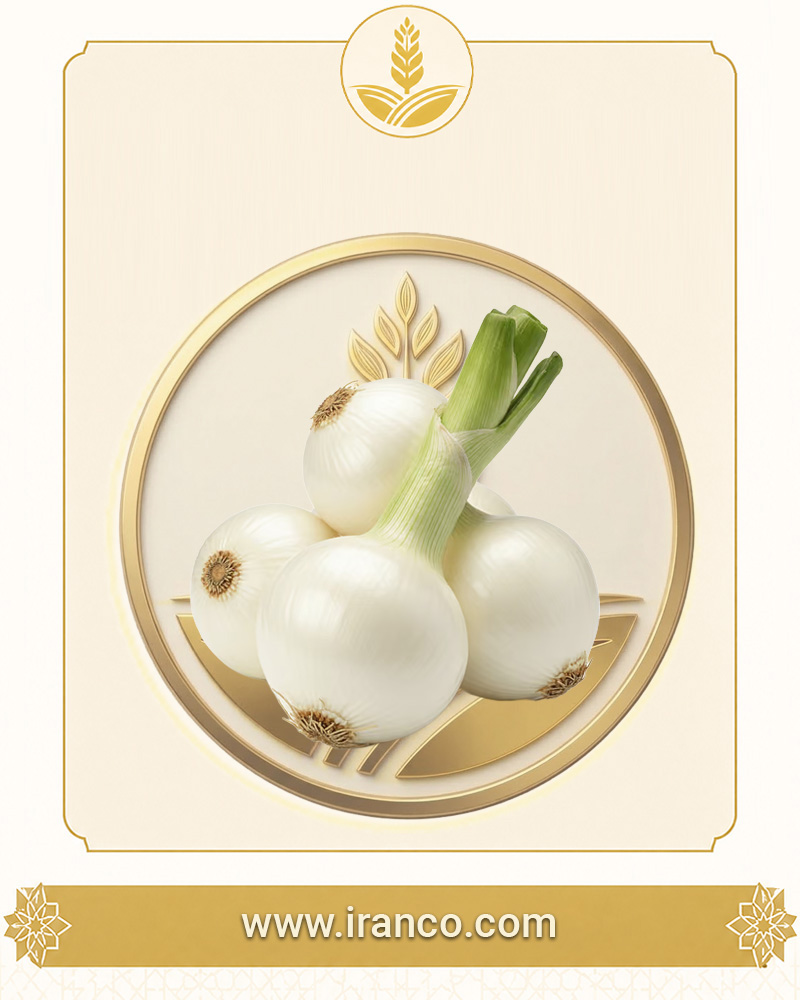
Umman'ın sarı, kırmızı ve beyaz soğan talebi mevsim ve kullanıma göre değişir. Sarı soğan genel tüketimde en büyük paya sahiptir; kırmızı soğan bazı perakende ve restoran segmentlerinde tercih edilir; beyaz soğan belirli endüstriyel ve pişirme uygulamalarında dikkat çeker. Hasat veya çiftlik alımından önce hedef pazar tercihini anlamak önemlidir.
2. Umman'a ihracat için hangi soğan türleri uygun?
İhracat müzakerelerindeki ilk hatalardan biri, çeşit ve renk tanımlanmadan «ihracat soğanı» gibi genel bir ifade kullanmaktır. Profesyonel sözleşmede soğan türü net teknik özelliklerle tanımlanmalıdır.
| Soğan türü | Görünüm | Umman'daki ana kullanım | İhracat notu |
|---|---|---|---|
| Sarı soğan | Altın rengi ile kahverengi kabuk, sert et, güçlü aroma | Genel tüketim, restoranlar, pişirme | En çok satan tür; boyun kuruluğu ve tek tip boyuta duyarlı |
| Kırmızı soğan | Mor ile kırmızı kabuk, çekici görünüm | Perakende, salatalar, taze yemekler | Yüksek görsel değer; kabuk hasarı hemen görülür |
| Beyaz soğan | Beyaz ile krem kabuk, daha hafif tat | Gıda endüstrisi, pişirme, bazı toptan pazarlar | Daha sıkı sortaj gerektirir; depo nemine duyarlı |
A contract that only states “export-grade Grade 1 onion” leaves too much room for dispute. Terms such as “Grade A” have limited contractual value without numeric or descriptive definition.
Hasat mevsimine göre çeşit seçimi
Iran can supply onions across seasons due to climatic diversity. Even so, storage quality and neck dryness vary by harvest timing, post-harvest drying conditions, and storage duration. An Omani buyer may place separate orders with different specifications for each season.
Seed onion (HS 07031012) and fresh shallot (HS 07031020) have separate classifications and must not be mixed with standard fresh onion (07031011). Tarife kodu errors can halt clearance.
3. Satın alma öncesi teknik özellikler — sözleşme parametreleri
In a professional transaction, technical specifications should be fixed before the final proforma invoice is issued. The table below shows parameters commonly included in onion export contracts to Oman.
| Parametre | Sözleşme özelliği | Önem |
|---|---|---|
| Ürün türü | Yellow / red / white onion | Avoids commercial ambiguity |
| Tarife kodu | 07031011 | Customs clearance and duty calculation |
| Menşe | Iran | Menşe and phytosanitary certificates |
| Boyut | Defined calibre (e.g. 55–75 mm) | Pricing and market acceptance |
| Boyun kuruluğu | Fully dry and closed neck | Shelf life and spoilage prevention |
| Sertlik | Firm flesh, no softening | Sensory quality and transport resistance |
| Kabuk | Intact, no deep cracks or mould spots | Görünüm and product health |
| Filizlenme | No visible sprouting | Sign of ageing or poor storage |
| Ambalaj | File çuvallar, cartons, or retail packs | Quality retention and distribution model |
| Net ağırlık | E.g. 10, 15, or 25 kg per bag | Delivery control and pricing |
| Varış limanı | Sohar or Salalah | Transport planning and logistics cost |
| Teslim şartları | FOB, CFR, or CIF | Risk and cost allocation |
| Denetim | Pre-loading by buyer or agent | Reduces destination disputes |
Each parameter should be defined in measurable or observable terms. Vague phrases such as “excellent quality” without acceptance criteria become dispute sources at delivery.
4. Yükleme öncesi kalite kontrolü
Yükleme öncesi denetim, Umman'da reddedilecek veya ağır iskontolu sevkiyatı önlemenin son fırsatıdır.
Boyun kuruluğu
The onion neck must be fully dry and closed. Moisture at the neck is an entry point for fungi and bacteria, and during sea transport with temperature and humidity changes, spoilage risk multiplies. Onions with green or soft necks are unsuitable for long-distance export.
Sertlik
Onions should be firm under hand pressure. Softening indicates mechanical damage, storage disease, or high-temperature storage. Denetim involves random sampling from multiple bags or cartons.
Küf
Any mould spot, soft skin, or off odour must be removed during sorting. Even a small percentage of infected onions in a container can affect the whole shipment, as mould spreads under container humidity and heat.
Filizlenme
Filizlenme indicates the onion has exceeded acceptable storage duration or was kept above optimal temperature. Sprouted onions are usually rejected or sold at heavy discount in Oman’s fresh market.
| Kontrol kriteri | Denetim method | Uyumsuzlukta işlem |
|---|---|---|
| Boyun kuruluğu | Visual inspection and hand pressure on neck | Remove or return to sorting |
| Sertlik | Lateral pressure on onion body | Separate soft onions |
| Küf | Kabuk inspection and shipment odour check | Remove infected pieces; recheck storage |
| Filizlenme | Inspect top and centre of onion | Remove or downgrade |
| Mechanical damage | Check impact, cuts, and skin cracks | Remove before final packing |
A pre-loading inspection report signed by buyer and seller representatives, with sample photographs, is strongly recommended.
5. Tarife kodu 07031011 ve ilgili sınıflandırmalar
For standard fresh export onions to Oman, the main tariff code is 07031011. Under Oman’s customs tariff, import duty on this code is 0% — a significant commercial advantage for the importer — but this does not remove quarantine or inspection requirements.
| HS kodu | Açıklama | Umman gümrük vergisi |
|---|---|---|
| 07031011 | Taze veya soğutulmuş soğan | 0% |
| 07031012 | Tohum soğanı | Per applicable tariff |
| 07031020 | Taze veya soğutulmuş arpacık | Per applicable tariff |
Classification errors — for example declaring seed onion instead of table onion — can halt the shipment and trigger requests for additional documents. Product description on invoice, certificate of origin, and phytosanitary certificate must align with the tariff code.
The Omani importer or customs broker should confirm the final tariff code in Oman’s customs system before the shipment moves. Minor tariff updates may apply in annual revisions.
6. Karantina belgeleri ve bitki ithalat izinleri
Onion is a fresh plant product and cannot enter Oman without meeting plant quarantine requirements. Export should not begin with loading; the document file must be complete first.
Bitki sağlık sertifikası
Issued by the exporting country’s plant protection authority (in Iran, the Organization for Protection of Environment and Agriculture). The certificate must show the shipment is free from quarantine pests of concern and complies with Oman import regulations. Botanical name, quantity, packaging, origin, and shipment number must appear on the certificate.
Umman bitki ithalat izni
The Omani importer must obtain a plant import permit from Oman’s Ministry of Agriculture, Fisheries and Water Resources before the shipment arrives. This permit is typically valid for six months and must match shipment details — onion type, origin, approximate quantity.
İlgili belgeler
- Certificate of origin for commercial origin verification;
- Commercial invoice and packing list;
- Bill of lading or transport document;
- Cargo insurance where CIF applies;
- Pre-shipment inspection certificate if contractually agreed.
Final versions of all documents should be aligned between exporter, importer, and customs broker before the vessel departs. Any mismatch between the phytosanitary certificate and actual shipment can lead to extended inspection or rejection.
Practical note: Bitki sağlık sertifikası issuance time in Iran depends on inspection scheduling and administrative capacity. Exporters should factor this into loading schedules and avoid issuing certificates for shipments not yet ready.
7. Sohar limanı girişi
Port of Sohar in northern Oman, near the UAE border, is one of the main food import gateways. For Iranian export onions, Sohar is often the natural route — shorter sea distance and logistics links to northern Oman and Muscat markets.
After vessel arrival, the shipment undergoes plant quarantine inspection. Inspectors verify the phytosanitary certificate, import permit, and physical condition. If compliant, customs clearance proceeds and goods move to the importer’s warehouse.
Sohar girişinin avantajları
- Shorter sea distance from southern Iranian ports to Sohar;
- Good access to Muscat and northern Oman markets;
- Modern port infrastructure and high container capacity;
- Omani importers’ experience with the Iran–Sohar route.
Operasyonel notlar
Discharge and inspection time varies by season and port volume. The importer should prepare warehouse capacity and domestic transport in advance so onions are not left in outdoor heat after clearance. This matters more in hot months.
Port charges, demurrage, and inspection fees should be included in import economics. Contract delivery terms (FOB Iranian port vs CFR/CIF Sohar) determine which party pays these costs.
8. Salalah limanı girişi ve Sohar ile karşılaştırma
Port of Salalah in southern Oman is one of the region’s largest transshipment hubs. For Iranian onions, Salalah is an option when the buyer is based in southern Oman or the chosen shipping line follows a southern route.
| Kriter | Sohar limanı | Salalah limanı |
|---|---|---|
| Location | Northern Oman, near UAE | Southern Oman, near Yemen |
| Distance from Iran | Shorter (Bandar Abbas, Chabahar) | Longer |
| Target market | Muscat, north and centre | Southern Oman and Dhofar |
| Transit time | Usually 1–3 days | Usually 3–6 days |
| Quality risk | Lower due to shorter transit | Higher; ventilation and temperature control more critical |
| Freight cost | Usually lower | Usually higher |
Port choice should be based on importer warehouse location, total freight cost, and transit time — not port tariff alone. For fresh onions, each extra day in transit increases quality loss risk.
9. Ambalaj — file çuvallar, kartonlar ve perakende
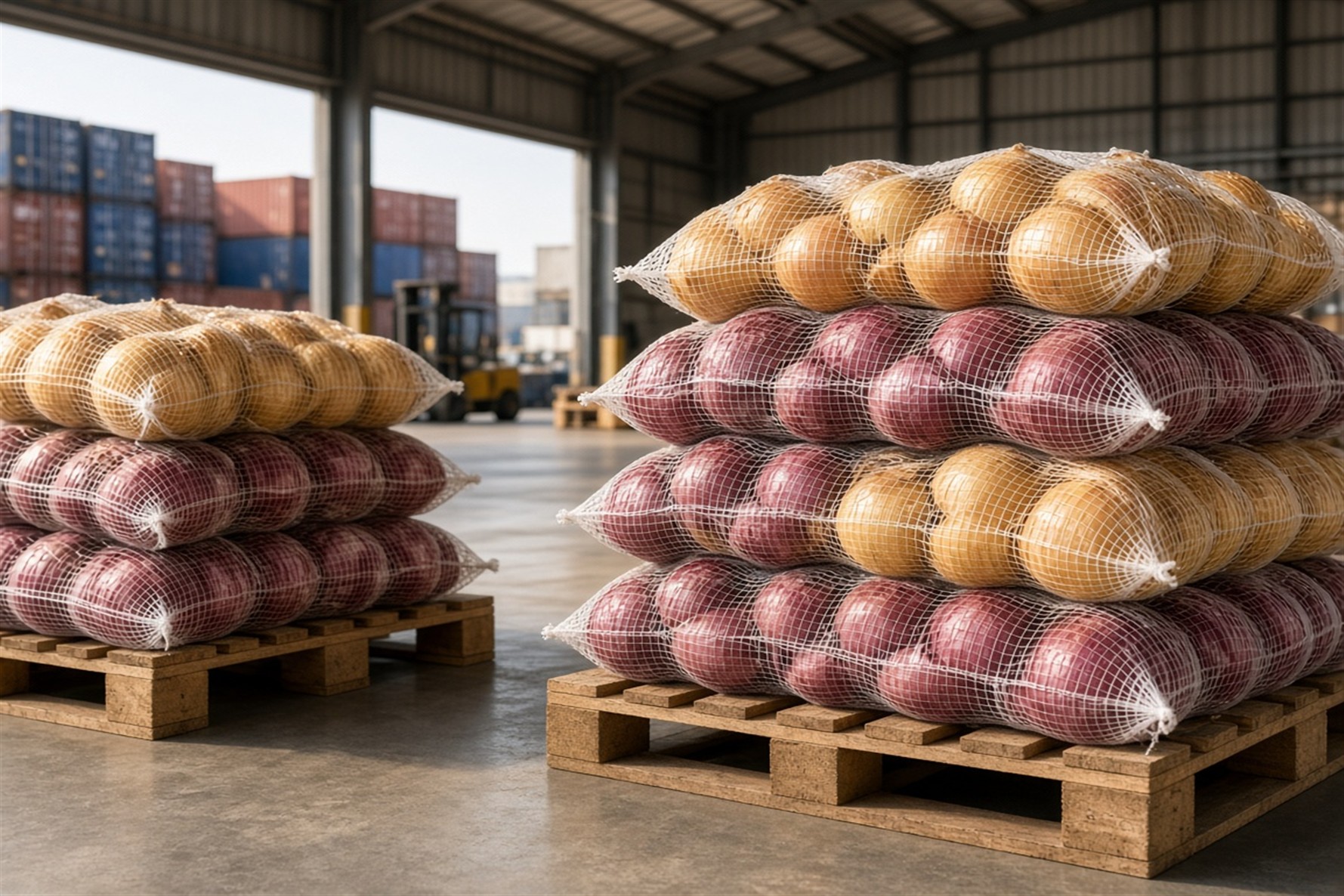
Export onion packaging must protect against mechanical damage and provide adequate ventilation. Poor packaging causes sweating, mould, and early spoilage.
File çuvallar
The most common bulk export packaging. Polypropylene or polyethylene bags in 10, 15, 20, and 25 kg weights. Good ventilation and quick inspection are key advantages.
Kartonlar
For premium or tightly sorted onions, ventilated cardboard cartons are used. Higher cost but better impact protection. Kartonlar must have adequate moisture resistance.
Perakende ambalajlar
If the importer supplies retail chains, 1–3 kg consumer packs with retail labels are required. Labels should include product name, net weight, origin, producer/exporter name, and date.
- Each bag or carton must have a defined net weight;
- Menşe label (Made in Iran) if requested by buyer;
- Container stowage must not block airflow;
- Avoid non-ventilated bag packaging.
10. Taşıma, havalandırma ve sıcaklık kontrolü
Onions need ventilation, not freezing. Incorrect use of a reefer container can cause condensation and spoilage instead of preserving quality.
Kuru konteyner ve reefer karşılaştırması
For fresh onions, a dry container with natural ventilation during loading and proper stowage is often more suitable than a reefer. If a reefer is used, temperature should be set above dew point — typically around 0 to +5°C — with humidity control.
Yoğuşma riski
When warm humid air inside the container contacts the cooler surface of onion bags, water droplets form on the onions. This moisture is ideal for mould. To reduce risk:
- Onions should be cool and dry before loading;
- Avoid loading in very hot or rainy conditions;
- Maintain space between pallets for air circulation;
- Do not overfill the container;
- If using a reefer, coordinate temperature and humidity settings with the freight specialist.
Sea transit from Bandar Abbas to Sohar is usually short, but on longer routes to Salalah or with transshipment, ventilation control becomes more important.
11. Bölgesel rekabet — İran, Hindistan, Pakistan, Mısır, Yemen ve BAE yanında
Oman’s onion market is competitive. Importers choose suppliers based on price, quality, supply stability, and document compliance.
- India: World’s largest onion exporter; volume and price advantage, variable quality in some seasons;
- Pakistan: Close regional competitor with similar geography; intense price competition;
- Egypt: Important supplier in some seasons; variable quality;
- Yemen: Some trade flows to Oman via Yemen; logistics and document risks;
- UAE: Often acts as re-export hub; Indian and Pakistani onions reach Oman via the Emirates;
- Iran: Distance advantage, recognised quality in some varieties; challenges in volume stability and document compliance.
Iranian exporters must focus on consistent quality, on-time delivery, and flawless document files to retain market share. Pure price competition is not sustainable long term, as quality decline leads to returns and loss of importer trust.
12. Umman'a soğan ihracatında fiyat faktörleri
| Faktör | Fiyat etkisi | Açıklama |
|---|---|---|
| Soğan türü and variety | High | Premium red and white usually cost more than bulk yellow |
| Boyut and uniformity | High | Uniform calibre justifies sorting cost |
| Harvest season | Medium | High supply at harvest pressures price |
| Quality and waste percentage | High | Dry neck, mould-free onions command higher value |
| Ambalaj | Medium | Kartonlar and retail packs add cost |
| Sea freight | Medium | Sohar usually cheaper than Salalah |
| Exchange rate | High | USD or local currency contracts affected by volatility |
| Document costs | Low | Bitki sağlık sertifikası and inspection |
| Order volume | Medium | Full-container orders usually achieve better unit price |
The importer should calculate the final cost per sellable kilogram. Waste, weight shortfall, and customer returns are part of purchase cost.
13. Sipariş öncesi 18 maddelik ithalatçı kontrol listesi
Before issuing a purchase order, the importer or trading company should confirm at least the following:
- Define onion type (yellow, red, or white) and specific variety.
- Align tariff code 07031011 with product description.
- Record size (calibre) and permitted waste percentage in the contract.
- Define neck dryness and firmness criteria in inspectable terms.
- Obtain and evaluate a real sample from commercial production.
- Specify packaging type (mesh bag, carton, or retail).
- Define net weight per bag or carton.
- Select destination port (Sohar or Salalah) and align with warehouse.
- Clarify delivery terms (FOB, CFR, CIF).
- Obtain Umman bitki ithalat izni before goods depart.
- Verify six-month permit validity against shipping schedule.
- Match phytosanitary certificate, certificate of origin, and invoice to shipment.
- Schedule pre-loading inspection and report.
- Define container type (dry or reefer) and ventilation conditions.
- Review vessel schedule and possible transshipment delays.
- Calculate port charges, demurrage, and clearance costs.
- Review cargo insurance and quality-loss coverage if needed.
- Align final document versions with customs broker before vessel departure.
The clearer these points are before production, the lower the risk of dispute after the container arrives.
14. Doğru fiyat teklifi için gerekli bilgiler
A proper export onion quote request should include:
- Soğan türü: yellow, red, or white;
- Required size (calibre);
- Quality and acceptance criteria (neck dryness, firmness, waste %);
- Approximate order quantity (containers or tonnage);
- Ambalaj type and unit weight;
- Consumer or bulk packaging requirement;
- Varış limanı: Sohar or Salalah;
- Preferred delivery terms;
- Purchase and loading schedule;
- Pre-shipment inspection requirement;
- Destination country: Oman.
A request stating only “price for one container of onions to Oman” is insufficient for professional comparison. Differences in onion type, calibre, packaging, and delivery terms can completely change comparison results.
15. Iranco üzerinden İran'dan ihracat soğan tedariki
In export onion procurement, the issue is not simply finding a farm or warehouse with product. The supplier must be able to repeat agreed specifications at commercial volume and deliver with acceptable documents.
To evaluate a supply option, create a short technical file covering onion type, calibre, packaging, order volume, destination port, and inspection requirements. Then review samples and producer documents on that basis.
Iranco can serve as the platform for registering purchase requests for Iranian agricultural and food products. Importers can include onion specifications, required volume, packaging, destination, and other commercial terms so suitable supply options can be reviewed.
For orders destined for Oman, phytosanitary certificate, import permit, destination port, and inspection conditions should be specified from the start of negotiations.
16. Sonuç
Onion export to Oman can become sustainable trade when three areas are managed together: product quality and pre-loading control, quarantine document compliance, and appropriate transport routing.
Regulatorily, the Omani importer must obtain a plant import permit before arrival and present the country-of-origin phytosanitary certificate. Tarife kodu 07031011 with 0% duty creates a commercial advantage but does not replace quarantine requirements.
Technically, neck dryness, firmness, absence of mould, and no sprouting are the main quality criteria. Ambalaj with adequate ventilation and condensation-free transport determine shelf life.
Logistically, Sohar limanı is more logical for most importers in northern and central Oman; Salalah for the south. Choice should be based on warehouse location and transit time.
For Iranian suppliers, competition in Oman depends above all on repeatable quality and document credibility. Iran’s geographic proximity becomes an advantage only when product is delivered with consistent standards and a complete export file.
17. Sık sorulan sorular
Umman'a soğan ihracatı için bitki sağlık sertifikası gerekli mi?
Yes. A phytosanitary certificate from the exporting country’s plant protection authority is mandatory. It must show the shipment is free from quarantine pests of concern and complies with Oman import regulations.
Umman için taze soğan tarife kodu nedir?
The main code for fresh onions is 07031011. Seed onion is 07031012 and fresh shallot is 07031020 — separate classifications.
Umman'da soğan gümrük vergi oranı nedir?
For code 07031011 the import duty is 0%. This does not remove quarantine requirements or port charges.
Sohar or Salalah — which port is better for Iranian onions?
For importers in northern and central Oman, Sohar is usually more logical — shorter distance and lower freight. Salalah suits southern Oman. Choice depends on warehouse location.
İhracat soğanı yükleme koşulları nelerdir?
Onions must be dry, firm, and mould-free. The neck must be fully dry. Loading in cool, dry weather is recommended. Stowage must allow ventilation.
Soğan için reefer konteyner kullanılmalı mı?
A dry container with adequate ventilation is usually sufficient. Incorrect reefer use can cause condensation and spoilage. If a reefer is used, temperature and humidity must be carefully set.
Boyun kuruluğu neden önemlidir?
A moist neck is an entry point for fungi and bacteria. Onions with dry necks have longer shelf life and spoil less during sea transport.
Umman'a ihracat soğan fiyatı nasıl belirlenir?
Soğan türü, calibre, quality, packaging, order volume, destination port, delivery terms, and exchange rate all affect price. Two offers can only be compared with identical technical specifications.
Umman için soğan doğrudan İran'dan tedarik edilebilir mi?
Yes. Iran is one of Oman’s important onion supply origins. Importers can register purchase requests with precise specifications through Iranco.
Numune nihai sevkiyattan farklıysa ne olur?
This is one of the most common commercial dispute sources. The contract should define acceptance criteria and pre-loading inspection rights. An inspection report and sample photos help prevent disputes.
Öne Çıkan Ürünler
İlgili Yazılar



