 Iranco Dergisi Ekibi
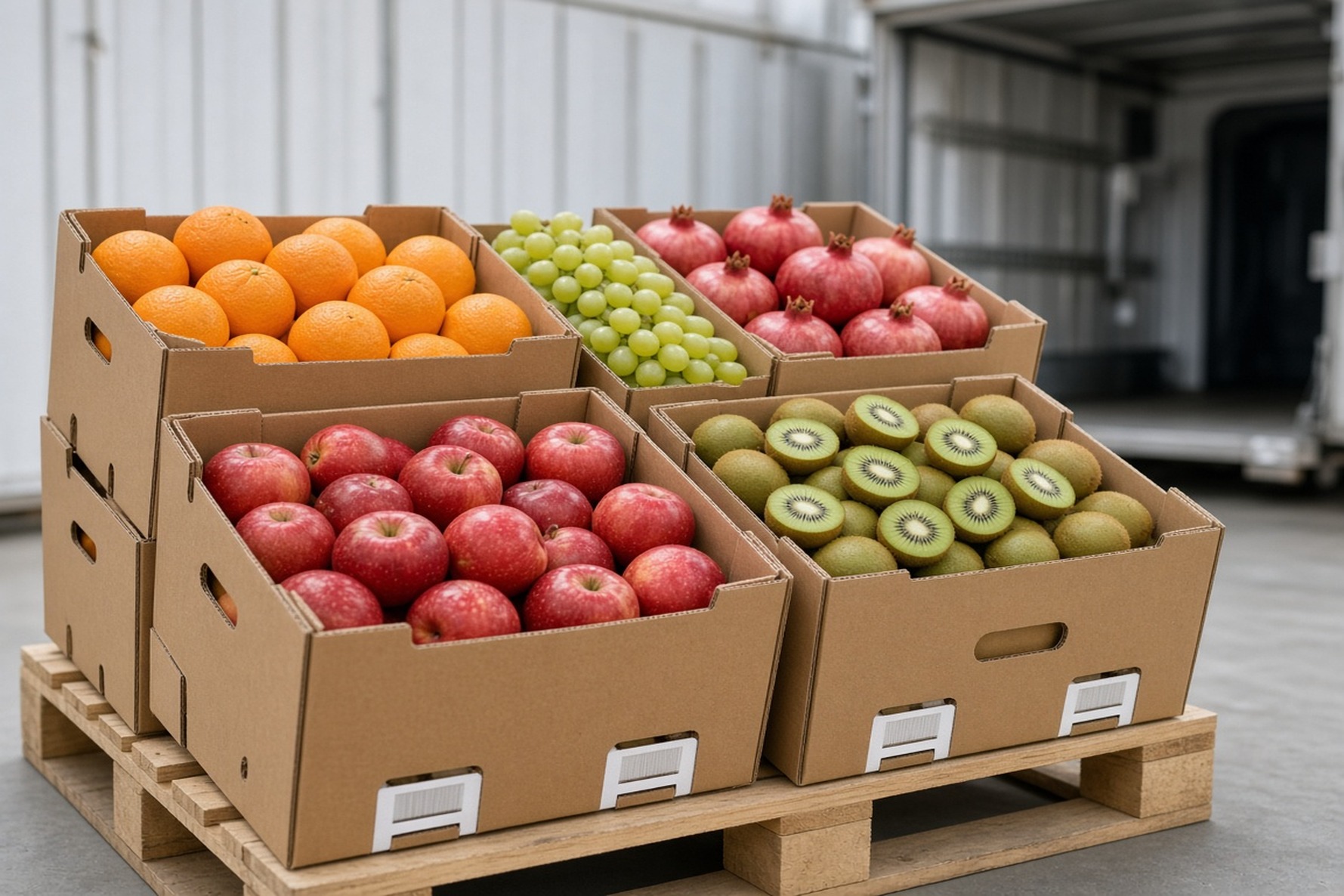
Elma, kivi ve narenciyeden nar, üzüm, şeftali, erik, kiraz ve karpuza — ürün seçimi, kalite kontrolü, ihracat pazarları, ambalaj, soğuk zincir ve ithalat gereklilikleri
İhracat Rehberi · Taze Meyve · Küresel Pazarlar
İran Taze Meyveleri; Türler, Farklar ve İhracat Pazarları
Elma, kivi ve narenciyeden nar, üzüm, şeftali, erik, kiraz ve karpuza — ürün seçimi, kalite kontrolü, ihracat pazarları, ambalaj, soğuk zincir ve ithalat gereklilikleri için profesyonel alıcı rehberi.
Iran's fresh fruit market cannot be defined by a single product or production zone. Climate diversity from the Caspian coast to the Alborz and Zagros ranges, Azerbaijan, central provinces, Fars, Khorasan and the south creates sharply different harvest seasons and quality profiles.
In real trade, labels like 'Iranian apple' or 'Iranian kiwi' are not enough for ordering. The buyer must specify product type, size, acceptable colour coverage, ripeness at loading and intended market channel.
2024 trade data shows India is a major market for Iranian apples, Iraq buys a very diverse fruit basket, and Central Asia, the Caucasus and Gulf countries play different roles by product.
1. İran taze meyve sepeti
Iran produces temperate, subtropical and warm-climate fruits. Apples, pears, peaches, nectarines, plums, apricots, cherries and grapes come from mountain and temperate zones. The northern coast is a key citrus and kiwi hub. Pomegranate is important in central, Fars, Yazd, Semnan and Isfahan provinces.
West and East Azerbaijan remain major apple centres; national apple output was reported at about 4.2 million tonnes in 1405. Gilan and Mazandaran are central to the kiwi chain. Iranian pomegranate has wide genetic diversity.
This geography has three commercial effects: harvest seasons do not align across regions; colour, texture, size and shelf life depend on origin and picking time; export buying must be tied to specific orchards and lots.
- Harvest timing for one fruit is not simultaneous across all regions.
- Colour, texture, size, acidity and shelf life depend on region, orchard and picking date.
- Export purchases should be based on orchard, packing centre and specific shipment.
2. Ana türler ve ticari farklar
International trade requires understanding post-harvest behaviour. Storage ability, impact sensitivity, softening speed, ethylene production and industrial sorting capacity all affect export value.
| Ürün grubu | Bilinen türler | Alıcı farkı | Uygun kullanım |
|---|---|---|---|
| Elma | Red Delicious, Golden Delicious, Gala, Fuji ve yerel çeşitler | Renk, tatlılık, sertlik ve depolama ömrü farklı | Toptan, perakende ve soğuk depo |
| Kivi | Çoğunlukla yeşil Hayward | Hasat sertliği ve sonrası olgunlaşma | Kara ve deniz soğuk zinciri |
| Portakal | Thomson Navel, Valencia ve yerel tipler | Hasat zamanı, su, kabuk rengi ve raf ömrü | Taze tüketim ve toptan |
| Mandalina | Erken ve orta sezon tipleri | Kolay soyulur ama portakala göre daha hassas | Hızlı perakende |
| Nar | Tatlı Saveh, Rabab, Shisheh-Kab ve bölgesel tipler | Boyut, kabuk ve tane rengi, tatlılık ve asitlik | Taze ve premium perakende |
| Üzüm | Beyaz çekirdeksiz, kırmızı çekirdeksiz, siyah ve çekirdekli | Tane boyutu, renk, salkım bağlantısı ve tatlılık | Sofralık üzüm |
| Şeftali ve nektarin | Beyaz ve sarı etli tipler | Hızlı yumuşama ve darbe hassasiyeti | Yakın pazarlar ve sıkı soğuk zincir |
| Erik | Kırmızı, siyah, sarı ve yeşil tipler | Sertlik, kabuk rengi, asitlik ve olgunluk | Toptan ve perakende |
| Kiraz | Açık ile koyu kırmızı tipler | Daha yüksek birim değer ve kısıtlı ticari pencere | Premium pazarlar ve hızlı taşıma |
| Kayısı | Erken ve orta sezon tipleri | Hassas doku ve kısa hasat penceresi | Yakın pazarlar veya hızlı taşıma |
| Karpuz | Yuvarlak ve uzun, çeşitli boyutlar | Ağırlık, tekdüzelik, et rengi ve olgunluk | Hacimli ticaret |
| Kavun ve kantalup | Çok sayıda yerel ve ticari tip | Aroma, doku, Brix ve soğuk depo davranışı | Toptan ve perakende |
| Çilek | Açık alan ve sera üretimi | Basınç, küf ve ısıya çok hassas | Hızlı taşıma ve yakın pazarlar |
Apple — volume trade and storage
Apple is one of Iran's most important export fruits. Red types have strong demand in South Asian markets.
For bulk buyers, size, firmness, colour coverage, Brix and cold-store history matter more than variety name alone.
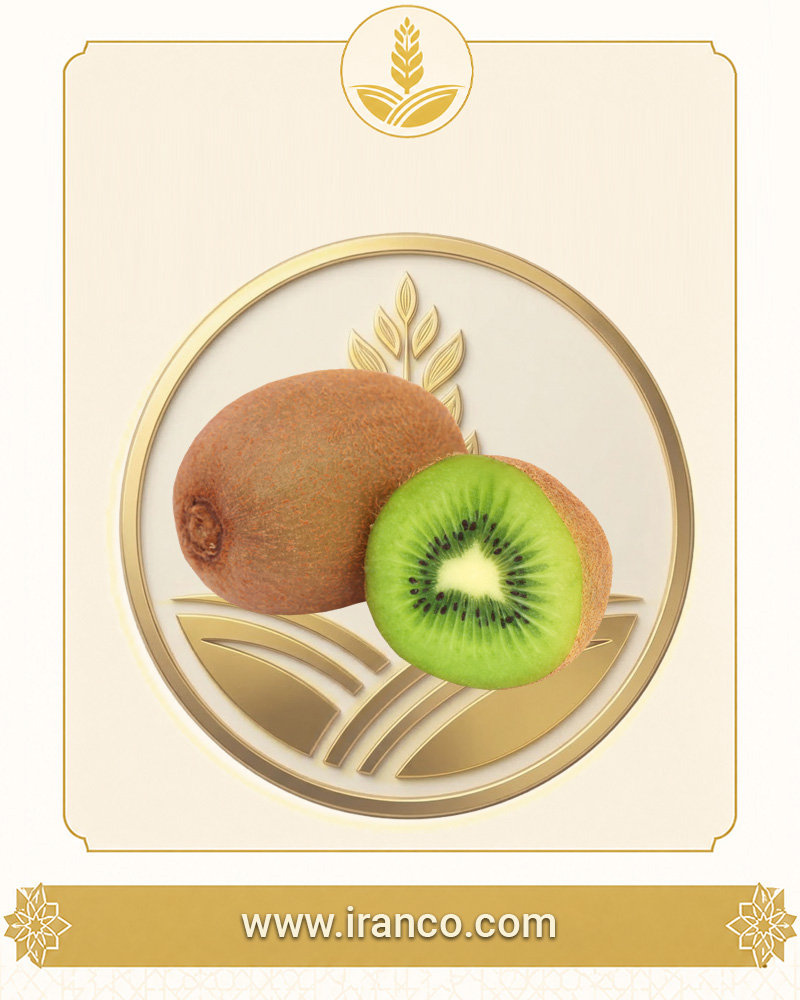
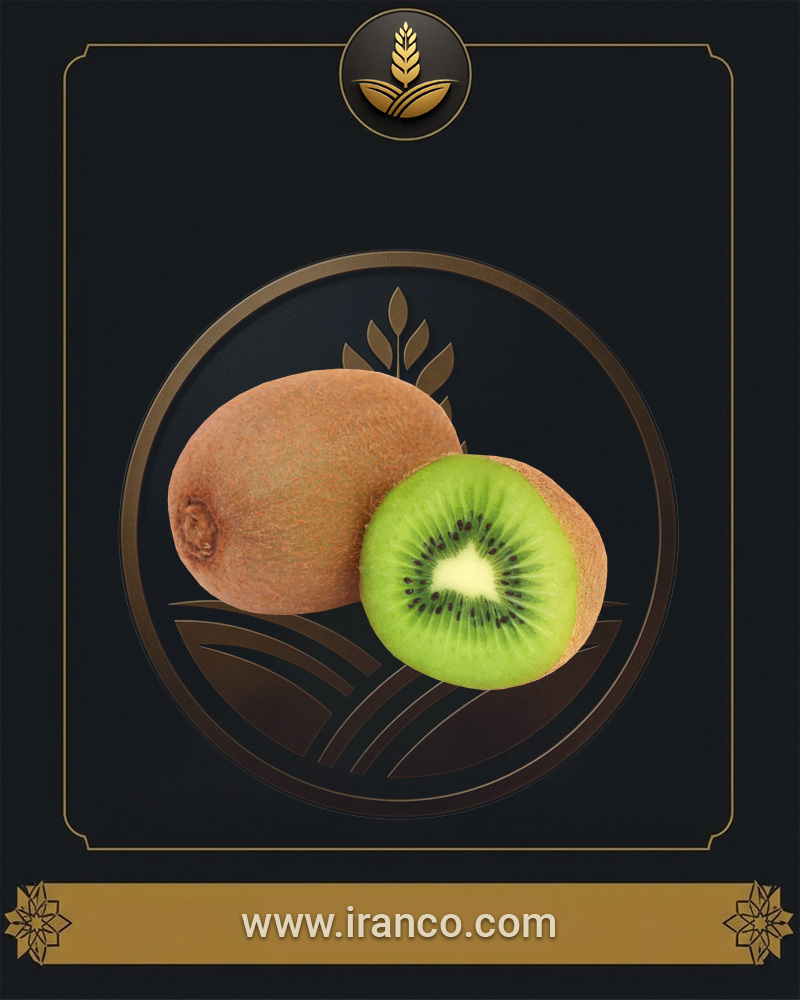
Kiwi — harvest timing is decisive
Iranian export kiwi is mainly green. UC Davis cites minimum 6.5% soluble solids for harvest.
Kiwi stores at 0°C and 90–95% RH but is highly ethylene-sensitive.
Citrus — pretty fruit vs export-grade fruit
Peel colour alone is not enough for orange and mandarin. Mandarins are usually more fragile than oranges.
Pomegranate — skin does not tell the whole story
Skin cracking, crown damage and internal decay are major risks. Cut sampling in QC is essential.
Stone fruit — high value, low error margin
Peach, nectarine, plum, apricot and cherry have shorter commercial windows. Cooling delay accelerates softening.
3. Hangi ülkelere ihraç edilir?
Each fruit has a different export map. Importer-reported 2024 statistics show goods actually registered at destination.
| Ürün | Pazarlar | Kayıtlı hacim |
|---|---|---|
| Taze elma | Hindistan, Irak, Özbekistan, Kazakistan, Pakistan, Umman | Hindistan: ~157,1 bin ton |
| Karpuz ve kavun | Irak, Umman, Türkiye, Katar, Ermenistan, Kazakistan | Irak: ~122,5 bin ton |
| Portakal | Irak, Azerbaycan, Ermenistan, Özbekistan, Kazakistan, Gürcistan | Irak: ~27,8 bin ton |
| Mandalina ve benzeri | Irak, Ermenistan, Azerbaycan, Gürcistan, Kazakistan | Irak: ~4,1 bin ton |
| Taze üzüm | Irak, Pakistan, Azerbaycan, Umman ve bazı AB pazarları | Pakistan: ~4,0 bin ton |
| Şeftali ve nektarin | Irak, Umman, Ermenistan ve daha küçük pazarlar | Irak: ~7,0 bin ton |
| Erik | Irak, Hindistan, Kazakistan, Katar, Umman, Kuveyt | Irak: ~5,0 bin ton |
| Kayısı | Irak, Umman, Kuveyt, Katar, Kazakistan | Irak: ~2,1 bin ton |
| Kiraz | Irak ve sınırlı diğer pazarlar | Irak: ~552 ton |
| Çilek | Irak, Kuveyt, Umman, Kazakistan, Azerbaycan | Irak: ~38,6 ton |
India — major apple market
India registered over 157,000 tonnes of fresh apples from Iran in 2024. Mazandaran kiwi exports to India have also been reported.
Iraq — the region's most diverse market
Iraq imported Iranian apples, melons, citrus, grapes, peaches, plums, apricots and cherries in 2024. Geographic proximity must not replace pre-cooling.
Central Asia and Caucasus
Uzbekistan and Kazakhstan are active in Iranian apples. Armenia, Azerbaijan and Georgia matter for citrus and melons.
Gulf countries
Oman registered over 53 million kg of Iranian watermelon and melon in 2024. High ambient heat requires tight cold chain design.
Europe — smaller volume, stricter rules
Success usually requires product planned for MRL, traceability and packaging from the start — not the same lot as regional bulk markets.
4. Alıcı hangi özellikleri belirlemeli?
A common mistake is a short request like 'quote one container of red apples'. That removes the ability to compare real offers.
| Parametre | Tanım | Önem |
|---|---|---|
| Ürün tipi | Tam meyve adı ve ticari tip | Tat, raf ömrü ve fiyatı etkiler |
| Boyut | Çap, ağırlık veya paket adedi | Satış sınıfını belirler |
| Renk | Kabul edilebilir renk düzeyi | Perakende için kritik |
| Olgunluk | Yükleme anındaki olgunluk | Kalan raf ömrünü belirler |
| Sertlik | Anlaşılan yöntem ve standart | Taşıma toleransı |
| Brix | İlgili ürünlerde | Tatlılık ve olgunluk göstergesi |
| Yüzey kusurları | Leke, yara, güneş yanığı toleransı | Anlaşmazlığı önler |
| Çürük | Sıfır veya net sözleşme limiti | Tüm sevkiyat riski |
| Net ağırlık | Ambalajsız gerçek ürün ağırlığı | Fiyat karşılaştırma temeli |
| Ambalaj | Malzeme, yapı, havalandırma | Taşıma koruması |
| Palet | Boyut, istifleme ve sabitleme | Basıncı önler |
| Yükleme sıcaklığı | Ürüne özel | Ticari ömrü korur |
| Pestisit kalıntıları | Varış pazarına göre | Sıkı pazarlara giriş |
| Fitosaniter sertifika | Varış kurallarına göre | Karantina şartı |
| Varış ve teslim şartları | Şehir, liman, sınır ve Incoterms | Gerçek maliyet fiyatı |
Sample approval alone is not enough. The contract must apply the same criteria to the full shipment.
For large orders, pre-loading inspection sampling method should be agreed in advance.
5. Kalite kontrolü
QC has three layers: visual soundness, physical and chemical attributes, and destination-market compliance.
Visual inspection covers decay, bruising, cuts, cracking, pest damage, spots, sunburn, shrivelling, crown damage and foreign matter.
Firmness is a key index. Values must be reported with defined method and instrument — 'firm and export grade' is not a technical standard.
Brix reflects soluble solids. For grapes, melons, kiwi, pomegranate and citrus, acceptable limits should be written into the contract.
In strict markets, pesticide residue results can decide whether a lot is marketable. EU limits are in Regulation (EC) No 396/2005.
6. Ambalaj
Packaging must protect mechanically, allow heat and moisture exchange, and present the product in the format the market expects.
Apples and citrus
Cartons need adequate crush resistance. Retail may use trays or dividers.
Kiwi
Point pressure can cause hidden damage. Fruit size per carton should be uniform.
Grapes
Need ventilation and berry-drop control. Rough handling increases berry separation.
Peach, nectarine and apricot
Shallow packs with limited vertical pressure. Tight stacking causes pressure marks.
Pomegranate
Crown protection matters — damage there opens a decay pathway.
Watermelon and melon
Pallet design, top-layer pressure and load securing are critical.
7. Soğuk zincir ve taşıma
One of the most dangerous mistakes is assuming a single 'standard fruit temperature'. Apples and kiwi can be held near 0°C; watermelon suffers chilling injury at such temperatures.
| Ürün | Sıcaklık | Nem | Not |
|---|---|---|---|
| Yaygın elmalar | 0°C civarı | 90–95% | Etilen kontrolü ve sertlik |
| Kivi | 0°C | 90–95% | Çok yüksek etilen hassasiyeti |
| Sofralık üzüm | 0°C civarı | 90–95% | Sap kurumasını ve tane düşmesini önler |
| Şeftali ve nektarin | −1 ile 0°C | 90–95% | Soğutma gecikmesine hassas |
| Nar | Kısa depolama için ~5°C | 90–95% | Su kaybı ve soğuk hasarı riski |
| Karpuz | ~10–15°C | 85–90% | Çok düşük sıcaklık soğuk hasarı yapar |
Pre-cooling
A reefer container is not designed to pull field heat quickly. Warm fruit needs long time to reach target temperature.
Ethylene
Mixing products on temperature alone is wrong. Kiwi is sensitive to even low ethylene levels.
Temperature logging
Data loggers should be placed in the load. Data helps improve future shipments.
8. Tarife kodları ve giriş
Fresh fruits mainly fall in HS Chapter 08. Pomegranate is classified under 'other fresh fruit' with country-specific national subcodes.
| Ürün | GTİP | Grup |
|---|---|---|
| Portakal | 080510 | Taze narenciye |
| Mandalina | 080521 | Taze narenciye |
| Taze üzüm | 080610 | Sofralık üzüm |
| Karpuz | 080711 | Kavun grubu |
| Diğer kavunlar | 080719 | Kavun ve kantalup |
| Elma | 080810 | Ilıman meyve |
| Armut | 080830 | Ilıman meyve |
| Kayısı | 080910 | Çekirdekli meyve |
| Vişne | 080921 | Çekirdekli meyve |
| Diğer kirazlar | 080929 | Çekirdekli meyve |
| Şeftali ve nektarin | 080930 | Çekirdekli meyve |
| Erik | 080940 | Çekirdekli meyve |
| Çilek | 081010 | Hassas meyve |
| Kivi | 081050 | Ilıman meyve |
Iranian plant exports are inspected by quarantine officers and receive phytosanitary certificates when compliant. Destinations may add pest-specific conditions.
Since December 2019 most fruits entering the EU require phytosanitary certificates. From January 2025 Regulation (EU) 2023/2429 applies marketing standards for fruit and vegetables.
9. Pazar seçimi
Market fit depends on commercial life, price level and expected standard.
Strawberry, apricot and cherry suit shorter routes. Apple and kiwi tolerate longer journeys with proper cold chain.
Watermelon and melon have lower price-to-weight ratios; proximity to Iraq and Oman matters greatly.
Iran's advantage is not always lowest price — proximity, supply season and land routes can be real strengths when quality is controlled.
10. Fiyatlandırma
Price cannot be compared on product name alone. Comparable pricing requires two sellers quoting the same technical specification.
| Faktör | Etki |
|---|---|
| Hasat sezonu | Sezon başı, zirve ve sonu farklıdır |
| Boyut | Bazı pazarlar belirli boy için daha fazla öder |
| Tekdüzelik | Homojen partiler daha yüksek perakende değeri |
| Renk | Elma, nar ve diğerlerinde etkili |
| Sertlik ve olgunluk | Taşıma toleransı ve satış penceresi |
| Ambalaj | Karton, tepsi, palet maliyetleri |
| Kabul edilebilir fire oranı | Sıkı seleksiyon maliyeti artırır |
| Testler | Kalıntı testleri ek maliyet |
| Ön soğutma | Gerçek ihracat maliyetinin parçası |
| Sipariş hacmi | Seleksiyon, ambalaj ve navlun |
| Varış | Lojistik ve gümrük maliyetleri |
| Teslim şartları | Paketleme yeri fiyatı karşılaştırılamaz |
11. İthalatçı kontrol listesi
- Define exact product name and commercial type.
- Specify production region and, if relevant, supplying orchard.
- Check season and approximate harvest date.
- Write size or weight range into the contract.
- Define acceptable colour and appearance criteria.
- Set firmness or ripeness at loading for sensitive fruit.
- Specify Brix limits where relevant.
- Document defect tolerances in writing.
- Review pre-purchase sample and convert criteria to contract.
- Design residue testing per destination market.
- Confirm phytosanitary and quarantine requirements before packing.
- Approve carton type and internal layout.
- Define palletisation and cargo ventilation.
- State pre-cooling and loading temperature.
- Plan temperature loggers for sensitive routes.
- Align preparation time with truck, vessel or flight departure.
- Write delivery terms and Incoterms clearly.
- Define pre-loading inspection method.
- Define destination quality dispute procedure in contract.
- Agree net weight and invoice basis from the start.
12. Doğru fiyat bilgileri
- Fruit name and commercial type
- Size or weight range
- Required colour
- Firmness or ripeness
- Target Brix
- Order volume
- Pack type and net weight per unit
- Palletisation
- Destination country
- Delivery city, port or border
- Transport mode
- Reefer container or truck need
- Required tests
- Destination standard or MRL
- Approximate delivery time
13. Iranco ile tedarik
In international fruit buying, two offers differ by more than price per kilo. The buyer must define the product before approaching sellers.
Iranco can register structured purchase requests so Iranian supply options are reviewed against the same specification.
If you need Iranian fresh fruit, state product name, type, size, volume, packaging and destination in your purchase request.
Özet
Iran's fresh fruits behave very differently in trade. Apple and kiwi can reach distant markets with proper cold chain. Citrus depends on sorting and post-harvest management. Pomegranate is sensitive to internal condition. Peach, nectarine, apricot, cherry and strawberry have narrow time windows.
India is highly important for Iranian apples; Iraq is a diverse buyer; Central Asia, the Caucasus and the Gulf are real markets for several product groups.
For professional buyers, 'export fruit' must be defined numerically: size, firmness, ripeness, colour, defects, Brix, pack and cold-store conditions.
Sık sorulan sorular
Which Iranian fresh fruits have the strongest export potential?
Apple, kiwi, citrus, pomegranate, grape, watermelon and melon are leading groups. Peach, nectarine, plum, apricot and cherry are also exported but shorter commercial life limits routes.
What is the main market for Iranian fresh apples?
In 2024 import statistics, India registered over 157,000 tonnes of fresh apples from Iran — the largest recorded market.
Is Iraq only a buyer of cheap Iranian fruit?
Iraq's market is more diverse. In 2024 it imported Iranian apples, melons, citrus, grapes, peaches, plums, apricots and cherries.
Is a phytosanitary certificate required for fresh fruit export?
For many markets yes. Destinations may add further conditions that must be checked before loading.
Can apple, kiwi and watermelon travel at one temperature?
No. Kiwi and apple are held near 0°C; watermelon suffers chilling injury at very low temperatures.
How to check export kiwi quality before buying?
Assess firmness, ripeness, Brix, uniformity, skin damage and ethylene exposure in storage.
How should Iranian export fruit prices be compared?
First align specifications between offers. Price per kg without that data is a poor decision metric.
What information is needed to source fresh fruit from Iran?
Product name, type, size, ripeness, volume, packaging, destination, transport and test requirements — registrable on Iranco.
Öne Çıkan Ürünler




İlgili Yazılar



