 Iranco Magazine Team
A comprehensive assessment of physicochemical specs, cooking standards, commercial supply chain and wholesale/export buying
Export Guide · Salari Rice
What Is Salari Rice? Characteristics, Pricing, Wholesale Buying & Market Capacity of This Iranian Variety
A comprehensive assessment of physicochemical specifications, cooking standards, commercial supply chains, and a guide to wholesale procurement and export
Analytical Introduction
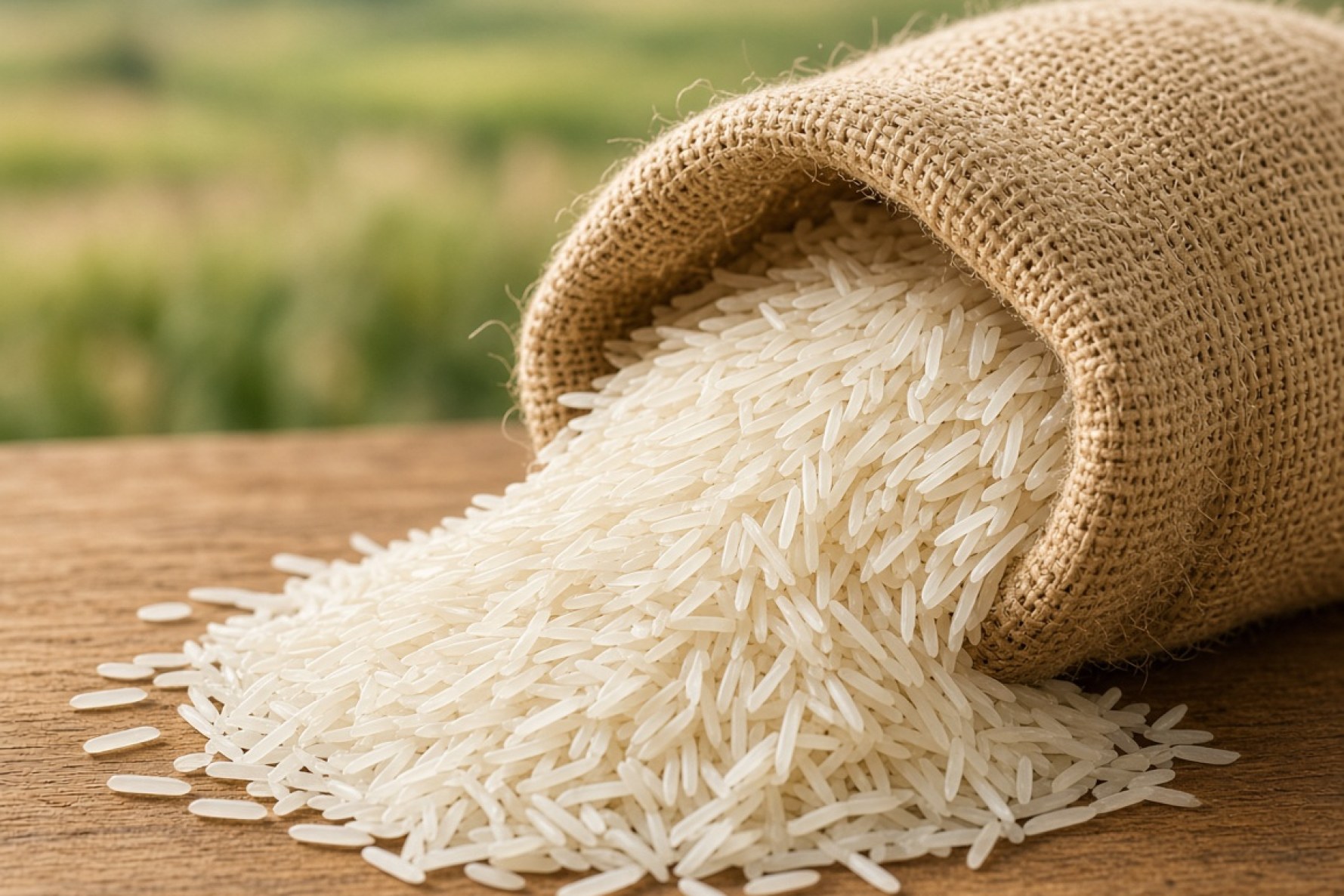
Salari rice is one of the authentic, premium cultivars belonging to the Sadri rice family of northern Iran. Owing to its elongated grain morphology, post-steam texture stability, and exceptional elongation (re-keshi), it holds a strategic position in both commercial and household purchasing baskets. Drawing on agronomic data, laboratory indicators, and market economic trends, this analytical report dissects the quality specifications, purity-assessment criteria, wholesale pricing structure, and trade capacity of this Iranian product—providing a precise basis for procurement managers and food-trade professionals to make informed decisions.
The climatic diversity of the Caspian littoral in northern Iran has created unique environmental conditions for cultivating a wide range of rice varieties with distinctive cooking, texture, and aroma profiles. Alongside well-known commercial names such as Tarom, Hashemi, and Dom-Siah, a group of authentic landrace cultivars offers high consumer value as well as outstanding cooking efficiency and physical behavior in the pot—advantages that are especially relevant for high-volume foodservice, banquet halls, institutional kitchens, and ceremonial catering. Salari rice is among the most prominent examples of this agricultural category; its agronomic lineage traces directly to the long-established paddy fields of the eastern Gilan plain and the fertile lowlands of Golestan.
Understanding physicochemical behavior, mapping the value-chain structure, and mastering impurity-detection methods for this product are indispensable for quality-control specialists and food-industry traders. In recent years, shifts in consumption patterns and the need to reduce food cost-of-goods in hospitality supply chains have increased demand for rices with favorable elongation yield and texture stability. Products that retain freshness, flexibility, and a silky cooked texture for hours after industrial-scale cooking rank first in procurement planning.
Positioned between late-maturing Sadri cultivars and aromatic, firm-grained varieties, Salari rice achieves an exemplary balance of pleasant aroma, visual elongation, and grain-structure integrity. A technical analysis of this rice clears the path for expanding domestic markets and for targeted use of its export potential toward neighboring countries and the Persian Gulf region. To register technical specifications and receive supply options, contact Iranco.
1. Etymology, Geographic Origin & Indigenous Classification of Salari Rice
The traditional origin of Salari rice lies in the alluvial plains of eastern Gilan Province, particularly the counties of Astaneh-ye Ashrafiyeh, Lahijan, and Langarud. Continuous sediment deposition from the Sefidrud catchment has endowed these areas with light humic soils, adequate drainage, and access to freshwater resources. Beyond Gilan, the plant’s ecological resilience has, over recent decades, enabled cultivation in favorable climates of Golestan Province—including the alluvial zones of Minudasht and Kalaleh—where abundant sunshine hours combined with cool foothill water produce grains of high mechanical strength and low breakage potential.
Varietal Classification & Plant Ecology
From an agronomic standpoint, Salari rice is a leading member of the Sadri group. This group is defined by tall plant stature, thin leaves, and a long vegetative cycle. In native growing areas, paddy farmers classify the crop into two primary categories based on phenological cycle and the time required for panicle maturity:
- Cold Salari (late-maturing): With a growth period of 120 to 130 days from transplanting to harvest, it produces grain with high starch density and exceptional elongation capacity, because the final phase of grain filling coincides with the mild coolness of late summer.
- Warm Salari (medium-maturing): With a vegetative period of 100 to 110 days, it is harvested earlier and shows greater resilience to end-of-season fluctuations, although its elongation is slightly lower than that of the cold type.
Agronomic Behavior & Paddy Yield
The Salari rice plant typically reaches a height of 135 to 145 cm. This tall stature increases vulnerability to strong seasonal winds and lodging (plant collapse). The paddy husk is elongated, slender, and straw-gold tending toward light cream. Average paddy yield per hectare in Salari fields is established at 3 to 3.8 tonnes; this agronomic efficiency is lower than that of high-yielding rices, and the economic rationale for production rests on premium selling prices and the marketability of the milled white grain.
2. Physicochemical Specifications, Starch Structure & Cooking Behavior
Cereal-grain quality assessment in the food industry relies on monitoring a suite of geometric, molecular, and gelatinization-behavior indicators. Salari rice exhibits highly balanced physicochemical properties that set it apart from other products.
| Physicochemical Parameter | Premium Salari Range | Standard Measurement Method | Functional Impact at End Use |
|---|---|---|---|
| Raw grain length | 7.2 to 7.5 mm | Digital caliper / machine vision | Confirms national long-grain classification |
| Raw grain width | 1.8 to 2.0 mm | Industrial micrometer | Maintains slender appearance; avoids plump grains |
| Length-to-width ratio | 3.6 to 3.9 | Geometric ratio calculation | Uniform presentation of steamed rice on banquet platters |
| Cooked grain length | 13.0 to 14.5 mm | Controlled cooking method, Standard 127 | Increases final steamed-rice volume; exceptional elongation |
| Elongation ratio (re) | 1.85 to 2.0× | Cooked length / raw length | Reduces raw rice required per serving |
| Starch amylose content | 21.0 to 22.8% | Iodine-complex spectrophotometry | Separate, non-sticky grains after cooking |
| Gelatinization temperature | Medium (70 to 73 °C) | Alkali spreading in potassium hydroxide | Even cooking of grain core in sync with the outer layer |
| Gel consistency index | 65 to 80 mm (soft) | Starch-gel flow in capillary tube | Rice remains soft after the dish cools |
| Total protein | 8.8 to 9.5% | Kjeldahl method | Desirable flavor and enhanced nutritional value |
| Permissible moisture | Max. 13.5% | Oven drying at 105 °C | Protection against biological and fungal spoilage |
Starch Chemistry & Rheological Properties
The endosperm starch of Salari rice is composed primarily of linear amylose chains and branched amylopectin. An amylose content of 21 to 23% places this rice in the optimal range for steamed-rice (chelo/polo) preparation. Rices below 19% amylose become soft and sticky rapidly, while those above 25% undergo starch retrogradation soon after cooling, yielding brittle, firm grains. Owing to its soft gel consistency and medium amylose ratio, Salari rice retains a firm structure after moisture evaporation while still delivering a delicate, cottony chew.
Aromatic Compounds & Sensory Profile
The natural aroma of Iranian rice originates in the volatile compound 2-acetyl-1-pyrroline together with a suite of short-chain aldehydes and alcohols. On aroma intensity, Salari rice ranks as mildly to moderately aromatic. Its fragrance is milder than that of highly concentrated types such as autumn Tarom, yet the richness of steamed-rice flavor and the pleasant fatty sensation on the palate mean that repeated consumption does not cause sensory fatigue—making it exceptionally compatible with general taste preferences at formal tables.
3. Comparative Analysis: Salari Rice vs. Other Leading Iranian Varieties
For procurement managers and traders, intelligent source selection requires a comprehensive comparison of Salari with peer options and improved northern cultivars. Salari rice fills the gap between expensive, low-yielding rices and economic, high-yielding products.
| Technical & Economic Attribute | Sadri Salari | Tarom Hashemi | Sadri Dom-Siah | Fajr (Gorgan) | Shiroudi |
|---|---|---|---|---|---|
| Agronomic pedigree | Native Sadri | Native Tarom, traditionally improved | Authentic Gilan Sadri | Improved, good cooking quality | Improved, high-yielding |
| Primary growing origin | Gilan, eastern Golestan | Mazandaran, Gilan | Eastern Gilan, Minudasht | Golestan Province | Mazandaran, Golestan |
| Raw grain length (mm) | 7.2 to 7.5 | 7.3 to 7.6 | 7.5 to 7.8 | 6.5 to 6.8 | 7.1 to 7.3 |
| Cooked grain length (mm) | 13.0 to 14.5 | 12.5 to 13.5 | 13.5 to 15.0 | 11.5 to 12.5 | 11.0 to 12.0 |
| Aroma intensity | Mild to medium | Very strong | Strong, traditional | Medium | Weak to neutral |
| Cooked-texture softness retention | Excellent (over 8 hours) | Excellent (6 to 8 hours) | Exceptional (10 hours) | Medium (4 hours) | Ordinary (2 to 3 hours) |
| Steamed-rice elongation yield | Very high | High | Very high | Good | Medium |
| Stability under over-boiling | High (no mushiness) | Medium | High | Medium | High |
| Wholesale price tier | Upper-mid | Premium | Highest price tier | Economy | Lowest price tier |
Commercial Differentiation in the Demand Basket
While Tarom Hashemi has become an unmatched choice for household use because of its intense aroma, in large catering operations it may become brittle under slight excess heat. Salari rice shows greater structural strength and prevents steamed rice from softening during holding in service vessels. Dom-Siah Sadri, despite its remarkable elongation, imposes very heavy costs on procurement budgets. In this context, Salari delivers behavior close to Dom-Siah at a far more rational price—and, compared with cultivars such as Fajr and Shiroudi, offers substantially better softness retention after the dish cools.
4. National Standard 127 & Laboratory Quality-Control Framework
Conformity of rice consignments with legal requirements and the definition of transparent criteria form the foundation of large-scale transactions. Iran National Standard No. 127, titled “Rice — Specifications and Test Methods,” sets out the primary framework for assessing physical characteristics, chemical contaminants, and microbial contamination. All industrial sorting, packaging, and trading companies are required to grade consignments against these rules.
Physical Acceptance Limits under National Standard 127
- Broken grains (chips and fragments): Maximum 2% in super-premium consignments and maximum 5% in Grade One. Grains shorter than three-quarters of full length are classified as broken.
- Chalky grains: Maximum 3% in Grade One consignments. Chalky grains absorb water unevenly because of porous starch structure and produce an inhomogeneous steamed-rice texture.
- Yellowed or heat-damaged grains: Maximum 0.5%; this indicator signals heat-control errors in rice-mill dryers.
- Discolored and red grains: Maximum 1%; residual thin red bran layers reduce the grain’s market value.
- Foreign matter (straw, chaff, weed seed, and grit): Maximum 0.1%, which must be fully removed by vibrating screens and modern gravity tables.
- Final grain moisture: Maximum 13.5%; exceeding this ceiling increases the risk of Aspergillus and Penicillium fungal proliferation.
Safety, Biological & Toxicological Tests
Protecting consumer health requires advanced testing in accredited laboratories cooperating with the Food and Drug Organization and the National Standards Organization:
- Heavy-metal assay by atomic absorption spectrometry: Including lead (maximum 0.15 mg/kg), cadmium (maximum 0.06 mg/kg), and inorganic arsenic (maximum 0.2 mg/kg).
- Mycotoxin testing by liquid chromatography: Assessment of total aflatoxins (maximum 30 µg/kg) and aflatoxin B1 (maximum 5 µg/kg).
- Pesticide residues (MRL): Monitoring of organophosphate insecticide residues such as diazinon and systemic fungicides against national maximum-residue tables.
5. Identifying Physical Defects, Detecting Mixed Rice & Authenticity Methods
The high commercial value of authentic northern rices has long invited opportunistic misconduct—such as blending imported rice, cheap improved cultivars, or aged stock from prior years. To protect capital and brand credibility, multi-stage inspection protocols are essential.
Mechanical & Structural Grain Defects
- Checking (transverse fissures): Crosswise cracks and micro-fissures on the milled grain body; this defect results from accelerated paddy drying above 45 °C at the mill or from rapid cooling of hot product, and leads to grain disintegration in the pot.
- Opacity and excessive aging: Fresh Salari rice has an ivory, semi-translucent hue with desirable luster. Loss of shine and a drift toward dull yellow or grey signal oxidative breakdown of residual bran lipids and harmful aging.
- Dimensional heterogeneity (grain polymorphism): Visible scatter in thickness, tip curvature, and length is a serious warning of physical mixing of dissimilar varieties in the bag.
Workshop & Laboratory Authenticity Methods
To separate pure rice from mixed consignments, the following staged approaches apply:
- Field morphological assessment: Examine 100 random grains on black light boards for symmetry and tip angles.
- Trial cooking test: If, after 10 minutes of boiling, some grains have softened while others remain hard and chalky at the core, grain heterogeneity is confirmed.
- 1.7% potassium hydroxide alkali test: Held for 23 hours in a 30 °C incubator; differential starch disintegration rates among varieties reveal impurity patterns.
- DNA fingerprinting: In plant-genetics reference laboratories, determines Salari cultivar composition and authenticity without human error.
6. Wholesale Pricing Dynamics, Value-Chain Structure & Seasonal Volatility
The landed cost of Salari rice is the aggregate of farm costs, modern milling operations, sorting, waste losses, and warehousing and logistics expenses. Understanding this structure enables buyers to time orders correctly and identify the optimal market-entry point.
| Value-Chain Link | Approx. Share of Landed Cost | Technical & Economic Nature of Cost |
|---|---|---|
| Procurement of quality paddy | 45 to 50% | Seed, transplanting, fertilizer, water management, and harvest wages |
| Drying and milling | 10 to 12% | Rice-mill fees and depreciation of husking and polishing equipment |
| Losses from cleaning and sorting | 12 to 15% | Monetary value of broken, chalky, and waste grains removed by optical sorting |
| Specialized packaging | 4 to 6% | Cost of breathable or laminated bags and sewing services |
| Warehousing, capital lock-up & logistics | 10 to 12% | Warehouse rent, pest control, and transit-fleet movement |
| Wholesale margin | 8 to 10% | Trading profit for bulk distributors and market-volatility risk management |
Seasonal Cycles & Market Volatility Calendar
- August to early November (harvest and peak paddy supply): Fresh paddy inflow to mills peaks. Price excitement dissipates and a nominal price floor forms; this is the golden window for high-tonnage contracts by food manufacturers and packaging companies.
- November to January (moisture stabilization and resting stock): Product in central warehouses reaches 12 to 13% moisture equilibrium and is said to “settle.” Cooking quality balances in these months, and institutional wholesale trading becomes active.
- February to end of March (Nowruz and Ramadan demand peak): Heavy demand from household buyers and chain retailers drives an upward trend in quality-rice price indices.
- April to July (warehouse drawdown and physical scarcity): White-rice inventories at origin mills fall to a minimum; given uncertainty about rainfall in the coming crop season, prices carry the highest risk and short-term instability.
Buyers seeking Salari rice supply benefit from reviewing direct-sales options on specialized platforms to discover transparent mill-gate floor prices. Through the Iranco platform, wholesale purchase requests can be registered with preferred specifications so that supply options from first-hand, reputable northern producers are carefully evaluated and compared.
7. Advanced Packaging Technologies & Stored-Product Pest Control
Inadequate packaging during grain storage severely degrades sensory and cooking quality. Selecting the right materials creates a robust barrier against lipid oxidation, absorption of off-odors, and infestation by rice weevils (Sitophilus oryzae).
Commercial Packaging Material Classification
- Nonwoven spunbond bags: Produced from polypropylene polymer filaments without traditional weaving; these bags allow controlled moisture exchange, block dust ingress, and are highly economical for 5 kg and 10 kg consumer packs in the domestic market.
- Multilayer laminated composite bags (BOPP/PE): Featuring an outer bilayer polypropylene film with high-quality print and an impermeable polyethylene inner layer; this technology locks in natural rice aroma over the long term and protects grains from ambient humidity in coastal and tropical warehouses.
- Vacuum brick packing: By fully evacuating internal gases and creating oxygen-deficient conditions, it halts pest metabolic processes and extends shelf life beyond 24 months without chemical fumigation tablets.
Biological & Physical Warehouse Pest Control
Traditional use of aluminum phosphide tablets (phosphine), though common for fumigating large halls, faces strict limits under modern standards. Industrial-scale pest control is secured physically through modified atmosphere (injection of carbon dioxide or high-purity nitrogen into impermeable packaging), warehouse temperature monitoring below 18 °C, and relative humidity held under 55%. Storage-hall floors should also have antibacterial epoxy coatings, and packages must stand at least 50 cm from walls and 20 cm above floor level.
8. Logistics, Industrial Load Planning & Supply-Chain Management
Logistics and transport of long-grain rice are a sensitive stage; without engineered planning they can cause grain breakage, bag tearing, and loss of commercial yield.
Palletization Standards & Loading Configuration
In road and container movements, manual single-bag loading at wholesale volumes is obsolete. Consignments of 10 kg and 20 kg packs should be stacked in interlocking five-bag cross patterns on standard 100 × 120 cm pallets:
- Maximum tiers per pallet should not exceed 9 to 10 layers, so that load weight does not crush grain structure in the lower rows.
- The full pallet must be secured with thick nylon shrink wrap of at least 120 microns and multi-axis stretch layers.
- Pallet corners should be fitted with compressed cardboard edge protectors against possible forklift impact.
- For commercial 20-foot FCL container loading, the optimal layout comprises 10 standard pallets carrying a net weight of 20 to 22 tonnes of packaged rice.
Preventing Sweating & Dew-Point Condensation
During cargo movement from the humid Caspian belt toward central Iran, the south, or Persian Gulf ports, a sudden night-time drop in ambient temperature can drive moisture inside the container or metal trailer cab to saturation, forming water droplets on the ceiling. These droplets fall onto the upper bag rows and create localized mold foci. Suspended desiccant bags containing calcium chloride with absorbent gel throughout the container interior keep cabin relative humidity consistently below the critical dew point.
9. Export Capacity, HS Tariff Codes & International Market Requirements
Despite a limited share of global production, Iranian long-grain aromatic rice is recognized abroad as an ultra-premium product. The large Iranian diaspora and strong consumer preference in neighboring countries for authentic food quality have created sustained demand with high price elasticity.
| Export Destination | Consumer Behavior & Demand Type | Preferred Packaging Format | Customs, Health & Entry Requirements |
|---|---|---|---|
| Iraq & Kurdistan Region | Top-tier restaurants and high-income households | Laminated sacks, 10 kg and 25 kg | Conformity assessment certificates from international inspection companies |
| United Arab Emirates | International hotels and retail chains | Vacuum 2 kg and 5 kg in sturdy cartons | Food labeling in Arabic and English |
| Germany & European Union | Diaspora retail and specialty vegetarian segments | Kraft pouches and vacuum 1 kg and 2 kg | Strictest MRL limits for pesticides and heavy metals |
| Qatar & Oman | State ceremonies, banquets, and large receptions | Spunbond fabric bags, 10 kg | Certificate of origin, phytosanitary certificate, and Halal mark |
HS Tariff Code Lines
Correct customs declaration at exit terminals is a prerequisite for applying exemptions and preventing over- or under-declaration penalties:
- Code 10063020: Wholly milled white rice, whether or not polished, glazed, or glossed (official tariff code for exporting premium long-grain rices such as Salari).
- Code 10063010: Semi-milled rice that has undergone incomplete husking.
- Code 10062000: Husked brown rice or cargo rice.
- Code 10064000: Broken rice, chips, fragments, and industrial half-grains.
Successful shipment clearance requires documents including a health and plant-quarantine certificate issued by the Ministry of Agriculture Jihad, chemical and physical analysis confirmation from cooperating laboratories, and a commercial invoice stamped by the Chamber of Commerce.
10. Industrial Applications & Consumption Map in Foodservice & Restaurants
The balanced grain structure of Salari rice creates operational advantages in professional kitchens and processing plants.
Performance in Professional Kitchens, Hotels & Banquet Halls
- Operational tolerance on hot-holding lines (bain-marie): In cafeteria foodservice, hotel warmers, and bain-maries, rice is held for hours next to steam at about 65 °C. Many very soft cultivars break down and become mushy under these conditions, whereas Salari grains retain shape integrity and avoid a pasty appearance.
- Form retention with stews and composed platters: Because of its amylose starch structure, this rice does not collapse quickly when hot stews or broths are poured over it, and the steamed grains do not fall apart.
- Color uptake and sheen with saffron and butter: The polished surface of Salari grain holds fat and saffron essence evenly, producing an eye-catching sheen on ceremonial tables.
Processing Broken Grains in Flour & Snack Industries
Cleaning waste and broken Salari grains (half-grains and fragments) are valuable raw materials for secondary food industries:
- Production of gluten-free rice flour for celiac patients, owing to high digestibility and absence of genetic impurities.
- Formulation of instant rice-pudding powders, infant breakfast cereals, and premium confectionery such as rice cookies, which require starch with soft gel consistency and authentic aroma.
- Because of low ash and controlled fat, flour from Salari broken rice offers high oxidation resistance and extends the shelf life of processed flour products.
11. Wholesale Buyer & Trader Checklist Before Contracting & Loading
To prevent any technical mismatch, grading error, or delivery of substandard goods, the following practical checklist must be observed before issuing payment instructions and releasing the consignment from the rice-mill warehouse:
12. Essential Information for Inquiries & Official Proforma Invoices
Submitting an incomplete inquiry typically yields non-binding rates or creates financial and legal misunderstandings. To obtain the most realistic price and a firm offer from bulk traders and rice mills, the request must cover all of the following parameters:
Engineering Factors for a Price Inquiry (RFQ)
- Exact product title: pure Sadri Salari rice, stating agronomic origin in Gilan or the Golestan plain.
- Milling and cleaning grade: sieved, dust-free, color-sorted by optical/laser equipment (Laser Sorted).
- Broken-grain percentage: precise maximum chip limit (e.g., maximum 2% or maximum 5%).
- Requested tonnage and delivery calendar: total consignment volume (e.g., 15 tonnes) and one-shot vs. monthly delivery schedule.
- Packaging material and weight: bag type (spunbond, laminated polypropylene, or vacuum), pack weights (5, 10, or 20 kg), and print type.
- Delivery terms under Incoterms: ex works at the rice mill (EXW), free carrier (FCA), delivery to the buyer’s central warehouse, or delivery at export ports (FOB).
- Required certificates and documents: mandatory attachment of an accredited laboratory report confirming physical, moisture, and health conformity with Standard 127.
Buyers can register their technical specifications and purchase terms as a commercial request on the Iranco platform so that the necessary coordination for precise evaluation of supply options from certified rice mills can be pursued.
13. Structured Salari Rice Supply from Reputable Iranian Producers
In traditional grain markets, reliance on informal intermediaries continually exposes buyers to major challenges—heterogeneous consignments, sample–shipment mismatch, and unpredictable price swings. Organizations, restaurant-chain groups, and export companies therefore seek transparent purchasing mechanisms and direct access to modern northern processing networks.
Iranco provides a specialized platform connecting domestic and international buyers with leading producers and equipped rice mills. In this process, bulk-tonnage applicants can declare technical requirements—from breakage percentage to packaging type and quarantine documents—and compare supply proposals in a structured way. Oversight of conformity between initial samples and final loading reduces transaction risk and secures supply-chain continuity.
If you need reliable Iranian Salari rice for bulk supply, ceremonial catering, or export, simply register consignment details, packaging specifications, and loading destination as a purchase request on Iranco so that matching supply options can be reviewed and introduced on specialist criteria.
14. Conclusion
As an authentic member of northern Iran’s Sadri rice family, Salari rice has secured a distinctive position between ultra-expensive, low-yielding cultivars and economic high-yielding types. Remarkable cooked grain length, high elongation, balanced starch structure, and multi-hour softness retention make it a practical choice for restaurants, hotels, and quality packaging lines.
Successful trade in this grain requires full command of seasonal price cycles, continuous evaluation of physical indicators under National Standard 127, and avoidance of traditional purchase methods that lack analysis. Modern moisture-protective packaging technologies and professional logistics standards elevate the economic value of this Iranian agricultural asset in domestic markets and at international export gateways.
15. Frequently Asked Questions
1. What is the key difference between Salari rice and Tarom Hashemi?
Salari rice belongs to the Sadri family and, after steaming, shows greater longitudinal elongation and a firmer texture than Tarom Hashemi. This physical strength prevents crushing and collapse of grains in large banquet cooking. Tarom Hashemi aroma is somewhat sharper, but Salari’s wholesale price offers a much stronger economic case for high-volume buyers.
2. How does Salari rice elongation perform in the cooking pot?
Raw dry grain length is 7.2 to 7.5 mm and, after standard steamed-rice cooking, reaches 13 to 14.5 mm. The length-increase coefficient is close to twofold and noticeably raises plate yield relative to short-grain, medium-grain, or high-yielding cultivars.
3. For bulk orders, is aged Salari rice or fresh crop preferable?
For restaurants, institutions, and hotels, Salari rice that has rested 3 to 6 months in warehouse storage with internal moisture equilibrated at 12 to 13% is the superior choice. Fresh rice, owing to higher initial moisture, carries a mushiness risk if the chef’s boiling technique is not precise.
4. Which quality tests are mandatory to assure health of export consignments?
Consignments seeking exit and entry into target markets must pass physical broken-grain control, precise moisture determination (maximum 13.5%), heavy-metal residue monitoring (lead, cadmium, arsenic), mycotoxin assay—especially aflatoxin—and pesticide residue testing in line with National Standard 127 and Codex international standards.
5. Which packaging provides the greatest protection for Salari rice in long-haul export?
For cross-border movements and destinations with high ambient humidity such as Persian Gulf countries, multilayer cubic vacuum packs inside master cartons are the best option; by evacuating package air they block moisture change, aroma loss, and stored-product pest activity.
6. What common workshop methods reveal impurity in a Salari rice bag?
Visual uniformity checks under soft light, trial cooking of a sample in boiling water to assess simultaneous core softening, and evaluating starch dissolution rate in potassium hydroxide are common workshop tests. Genetic profiling and DNA assays are the definitive laboratory route for detecting any blend with other cultivars.
7. What information is needed for an accurate price and proforma invoice for Salari rice from Iran?
An official inquiry must include consignment tonnage, maximum permitted broken-grain percentage, bag type and grammage, crop year, Incoterms delivery conditions, and required quality certificates. On the Iranco platform, proforma requests are likewise registered against this structured information so that qualifying suppliers can be assessed on quality and commercial terms.
8. What is the minimum order tonnage for large-scale Salari rice transactions?
In urban wholesale distribution, deals typically start at one- to two-tonne pallets. To capture mill-gate base rates and optimize road freight and FCL container loading costs, however, orders of 10 tonnes and above are the standard commercial scale.
Featured Products




Related Articles



