 Iranco Magazine Team
From fresh fruit and vegetables to tomato paste, frozen foods, confectionery and chocolate — Oman market capacity, entry rules, packaging, logistics and importer buying criteria
Export guide · Oman
Iran Food Exports to Oman: Which Products Have the Strongest Market Capacity?
From fresh vegetables and fruit to tomato paste, frozen foods, confectionery and chocolate — Oman market capacity, entry rules, packaging, logistics and importer buying criteria.
Introduction — established market vs growth potential
Geographic proximity helps, yet Omani buyers source from the UAE, India, Saudi Arabia, Turkey and Asia. Iranian cargo must compete on consistency, packaging, documents, shelf life, supply planning and delivered price.
Population ~5.4M (2025) and 2.3M+ expatriates (May 2026) drive multicultural demand. ~5.1M hotel guests in 2025 strengthen HORECA for vegetables, dairy, juice, frozen and packed foods.
Fresh veg, watermelon and fruit are Iran’s established lanes; dairy, cereals, chocolate and processed foods are larger pools with smaller Iranian share. Real opportunity matches product to channel — wholesale, retail, hotel or industry.
1. Why Oman matters for Iranian food exports
Imports in the food & live animals group rose from ~OMR 1.72B (2023) to ~OMR 1.94B (2024) and ~OMR 2.14B (2025). Iran already records trade in vegetables, fruit and processed lines.
Consumption concentrates in Muscat and the north; hotels and restaurants want bulk paste, frozen goods and ingredients. Iran’s edge is products where value-to-freight works or freshness is the differentiator.
Proximity does not guarantee sales — the next shipment must match the last in quality.
- Muscat & north: modern retail, local supermarkets, specialists
- HORECA: hotels, catering, restaurants — bulk packs and stable specs
- Iran strengths: fresh produce, nuts, saffron, paste, juice
- Risk: UAE hub sourcing without a clear price/freshness edge
2. Which Iranian products have the most capacity in Oman?
Using Oman import volume, Iran’s presence and haul feasibility: established lanes (veg, fruit, tomato/veg products) vs growth lanes (cereals, dairy, chocolate) that need stronger distribution and registration.
| Product group | Oman total imports | From Iran | Takeaway |
|---|---|---|---|
| Vegetables & edible roots | $291.55M | $31.06M | Established market; Iran’s strongest lane |
| Fruit, nuts & citrus | $420.59M | $22.63M | Large market; watermelon and others entrenched |
| Fruit, vegetable & nut products | $248.14M | $8.69M | Room for paste, frozen veg, juice |
| Cereal, flour & bakery products | $399.76M | $4.82M | Large market; limited Iranian share |
| Dairy, eggs & honey | $781.64M | $1.76M | Very large; harder entry |
| Cocoa & cocoa preparations | $98.17M | $1.57M | Growth potential in chocolate |
| Coffee, tea & spices | $166.62M | $1.14M | Saffron & spices — niche growth |
| Fish & aquatic products | $112.33M | $1.81M | Selective; species & processing matter |
Vegetables: Iran supplies roughly a tenth of Oman’s 2024 import value; dairy share is far smaller. Tomatoes, onions, watermelon or paste are often easier entry points than launching a new dairy brand.
Large market size ≠ easy entry — Arabic shelf labels and retail listing are heavier than produce wholesale.
3. Fresh fruit & vegetables — Iran’s strongest established lane
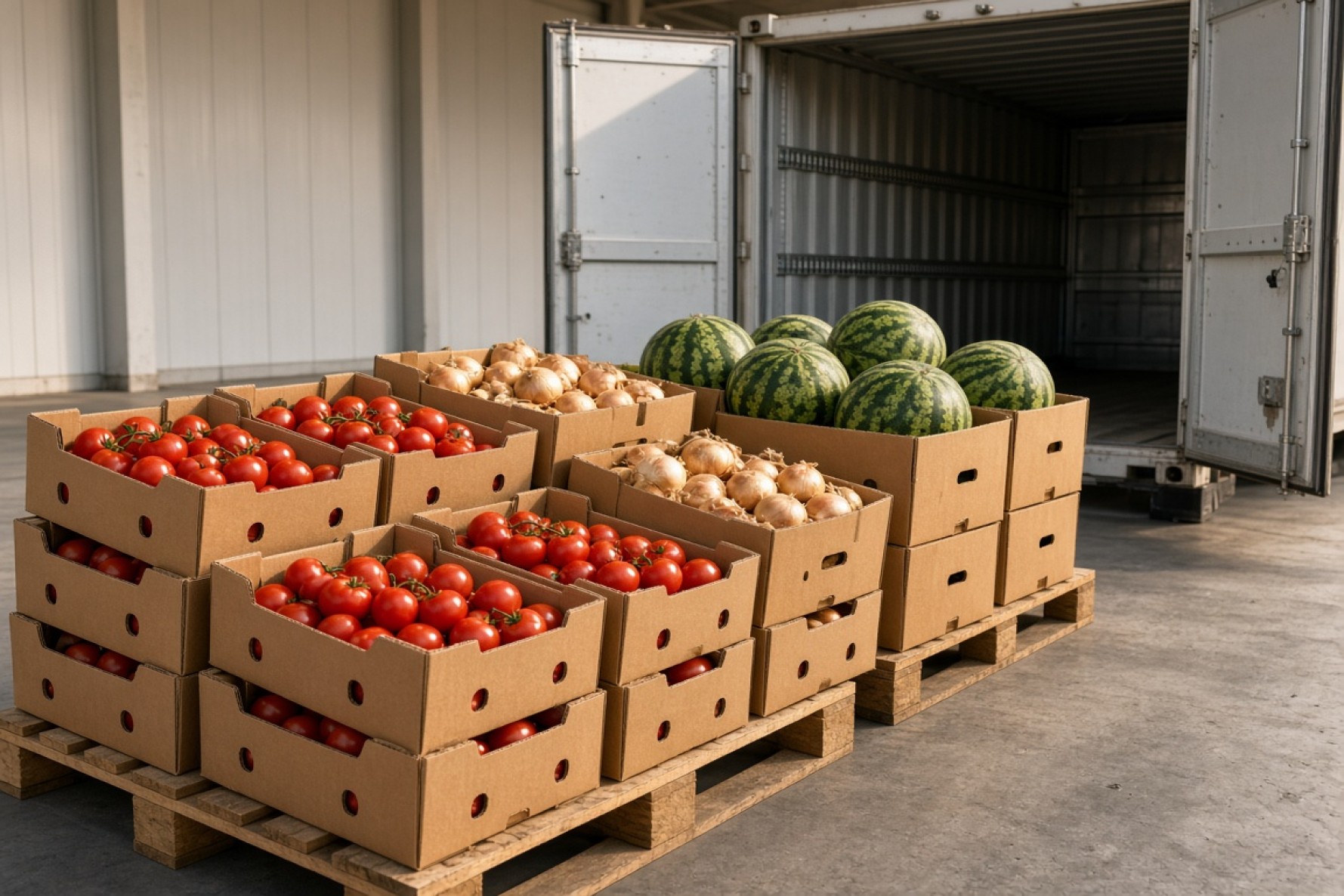
2024: USD 31.06M vegetables from Iran; fresh tomato ~USD 11.62M, onion/garlic ~USD 4.5M, carrots ~USD 3.56M, cabbage ~USD 3.55M, potatoes ~USD 3.39M.
Tomatoes need shipping firmness, colour/size uniformity, ripeness stage and no mechanical damage specified in contract. Onions/potatoes: dry surface, uniform size, no sprouting.
Watermelon: 53.67M kg of 59.15M kg imports from Iran (~USD 14.02M of 16.45M). Apples/pears/quince ~USD 4.04M; grapes ~USD 901K; citrus ~USD 596K.
- Tomato: wholesale harvest criteria may differ from premium retail
- Packs: ventilation and true weight — humid port air hurts quality
- Watermelon: load uniformity and timing beat a low price alone
- Seasonal fruit: sorting and cold chain drive shelf life
4. Processed fruit & vegetables — added value
2024 group imports ~USD 248.14M; from Iran ~USD 8.69M. Key lines: tomato products ~USD 3.8M, processed/frozen veg ~USD 2.74M, juice ~USD 1.74M.
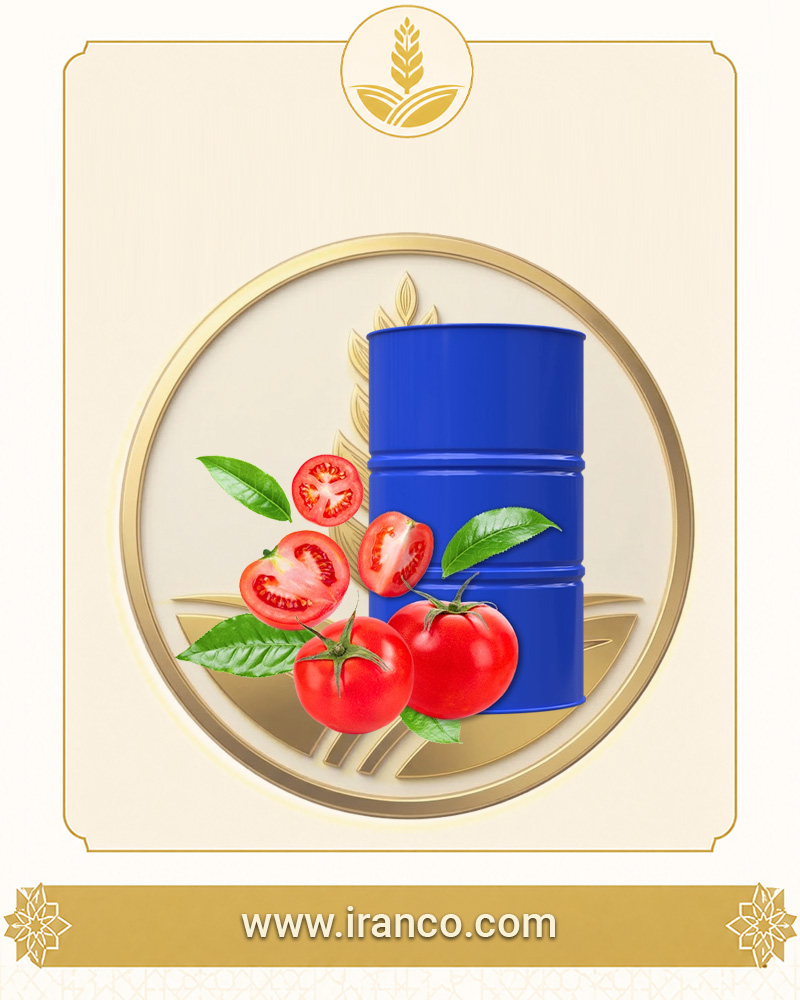
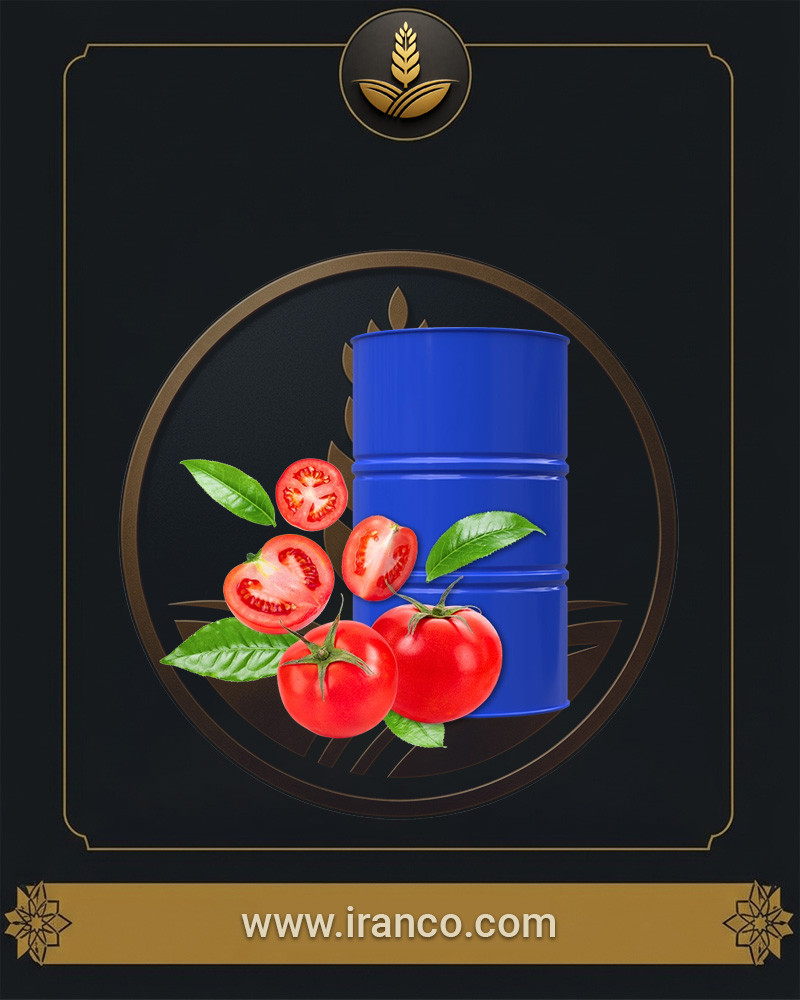
Tomato paste: agree Brix, colour, salt, micro limits, pack type and use (retail vs industrial) before production.
Frozen: cold chain integrity is critical. Juice: Arabic label, shelf life and carton stacking are part of the commercial SKU.
- Paste: retail jar/tin ≠ industrial aseptic requirements
- Frozen: peas, beans, ready greens — catering and retail
- Juice: competitive beverage market — stable supply and consistency
5. Bakery, confectionery, chocolate, saffron & dairy
Cereals/bakery: imports ~USD 399.76M, Iran ~USD 4.82M (bread ~USD 1.79M). UAE exported >USD 122M to Oman — intense shelf competition.
Chocolate: imports ~USD 98.17M, Iran ~USD 1.57M. Shelf price = factory + distribution + listing.
Spices/saffron: group ~USD 166.62M, Iran ~USD 1.14M (~USD 943K spices). Dairy: ~USD 781.64M imports, ~USD 1.76M from Iran — conditional on cold chain and brand.
6. Technical specs the Omani buyer must fix in the order
Agreeing only on name, weight and price fails on variable-quality goods. Acceptance criteria must be measurable — not vague “export quality”.
| Group | Key order specs | Control |
|---|---|---|
| Fresh fruit | Variety, size, colour, ripeness, defect % | Visual inspection, weight, MRL if needed |
| Fresh vegetables | Size, freshness, firmness, skin | Visual QC, phytosanitary certificate |
| Nuts | Type, size, breakage, moisture | Moisture, aflatoxin, foreign matter |
| Saffron | Form, purity, moisture, colour strength | Lab tests and authenticity |
| Tomato paste | Brix, colour, salt, pack type | Physicochemical & microbiological |
| Frozen vegetables | Cut, uniformity, foreign matter | Temperature, freeze status, sampling |
| Dairy | Fat, protein, salt, shelf life | Microbiology vs declared composition |
| Chocolate & biscuits | Unit weight, ingredients, allergens | Weight, pack integrity, label |
Use the same specs in an Iranco RFQ so sourcing matches the real product definition.
7. Food entry regulations in Oman
Government services platform registration: product image, label, nutrition report, invoice, conformity test report and origin health certificate. Each SKU is registered separately.
Plant products: per-shipment import permit (single-use, six-month validity), phytosanitary certificate, inspection. Pre-packaged: Arabic label per OS GSO 9:2022 approved before mass print.
Tariff: 2024 simple average ~5.5%; many GCC lines at 5%. VAT 5% with 513 zero-rated staples — verify exact HS.
- Halal evidence for meat/poultry and some processed lines
- Health claims on pack need supporting documents
- Oman customs: commodity requirements tool after HS and origin
8. HS codes, pricing and comparing offers
Fresh, frozen, dried or processed status changes HS. Align subheading with the Omani broker before proforma.
| Chapter | Group |
|---|---|
| 03 | Fish & aquatic products |
| 04 | Dairy, eggs & honey |
| 07 | Vegetables & edible roots |
| 08 | Fruit & edible nuts |
| 09 | Coffee, tea & spices |
| 18 | Cocoa & preparations |
| 19 | Cereal & bakery products |
| 20 | Prepared fruit, veg & nuts |
| Factor | Effect |
|---|---|
| Commercial grade | Better sort usually costs more |
| Season | Farm supply varies through the year |
| Order size | Prep and freight affect unit price |
| Packaging | Retail vs bulk pack |
| Testing | Buyer-specific lab tests |
| Cold chain | Chilled/frozen logistics premium |
| Delivery port | Route and port charges |
| Incoterms | Split of freight, insurance, delivery |
| Private label | Design and MOQ impact |
| Supply programme | Repeat vs spot purchase |
Factory price without Incoterm, pack and quality is not a fair comparator.
9. Packaging and transport Iran → Oman
Bandar Abbas–Sohar is common; count origin dwell, discharge, inspection and inland delivery in shelf-life planning.
Fresh: pre-cool, ventilated cartons, product-specific reefer setpoints — reefer cannot fix warm or over-ripe fruit.
- Frozen: data loggers on sensitive loads
- Ambient shelf-stable (paste, biscuits, chocolate): moisture barrier and heat
- Three pack formats for three customers — define before pricing
10. Sales channels and competition
Four channels: produce wholesale, retail, HORECA, industry/catering. Hotel guests ~5.1M in 2025.
| Channel | Products | Priority |
|---|---|---|
| Produce wholesale | Tomato, watermelon, apple, onion | Landed price, freshness, sort |
| Retail & supermarkets | Packed fruit, biscuits, chocolate, paste | Brand, pack, shelf life |
| Hotels & restaurants | Vegetables, paste, frozen, dairy | Supply continuity, pack size |
| Industry & catering | Ingredients, industrial paste | Technical spec, bulk price |
2024 vegetables: ~USD 75.45M from UAE vs ~USD 31.06M from Iran; dairy ~USD 130.45M UAE vs ~USD 1.76M Iran. Iranian edge: freshness, landed cost, differentiated SKU, private label.
11. Importer checklist mindset and RFQ path
Fix product, grade, tests, label, HS, port, Incoterms and inspection before ordering. “Tomato price for Oman” without sort and port is not comparable.
International buyers can log the same details in Iranco for like-for-like supplier review.
Summary
Strongest current capacity: fresh veg, watermelon, fruit and processed fruit/veg (USD 31.06M + 22.63M + 8.69M in 2024). Next wave: paste, frozen, juice, bakery, chocolate, saffron, dairy — different go-to-market models.
Pick products on market size, competition, shelf life, haul, continuity and channel. Durable advantage = proximity + uniform sort + pack + documents + reliable delivery.
20-point pre-order checklist for importers
- Exact product name and form: fresh, frozen, dried or processed
- Required commercial type and grade
- Measurable size, weight or quality parameters
- Total quantity and delivery schedule
- Representative commercial sample approved
- Required laboratory tests agreed
- Label approved before final print run
- Mandatory pack language and information
- Net weight per unit and units per carton
- Carton type, palletisation and stacking method
- Defect tolerance for fresh produce
- Shelf life and storage conditions
- Import permit, phytosanitary, health or halal needs checked
- HS code and duty verified before pricing
- Oman port or delivery point selected
- Incoterms defined
- Cargo insurance responsibility assigned
- Cold chain plan for sensitive goods
- Pre-shipment inspection method agreed
- Procedure for quality or weight disputes
Information required for a price quote (RFQ)
- Product name, type, process form, grade, size
- Order volume, pack weight, packaging type
- Brand or private label, required tests
- Oman city/port, transport mode, Incoterms and timeline
- For fresh produce: ripeness, appearance criteria and defect limits
Iranco processes requests with this detail faster against Iranian suppliers (tomato, watermelon, paste, nuts, etc.).
Frequently asked questions
Which Iranian foods have the strongest established market in Oman?
Fresh vegetables and fruit — 2024 imports from Iran exceeded USD 31M (vegetables) and USD 22M (fruit & nuts). Watermelon, tomato and onion are core lines.
Is Iranian watermelon important in Oman?
Yes. About 53.67M kg of 59.15M kg imported melons/watermelons in 2024 came from Iran; load quality, ripeness and delivery timing matter.
Does Iranian tomato paste have room to grow in Oman?
Yes. Total processed fruit/veg/nut imports were ~USD 248M vs ~USD 8.69M from Iran; tomato products were ~USD 3.8M of Iran’s share.
Is Oman’s dairy market suitable for Iranian producers?
Market size is large (~USD 782M imports in 2024) but Iran’s share was ~USD 1.76M — cold chain, shelf life, distribution and brand are critical.
Which documents matter for food entry into Oman?
Product registration, label mock-up, nutrition report, invoice, test report and country-of-origin health certificate; plant goods need import permit and phytosanitary certificate.
What is Oman’s food import duty rate?
No single rate — 2024 simple average ~5.5%; 5% is common on many lines but HS-specific rates or exemptions apply. Verify the exact code before contracting.
What packaging suits fresh exports to Oman?
Ventilated, sturdy cartons matched to the crop; avoid crushing in stacking and do not block airflow in reefer moves.
How to source Iranian food for Oman?
Define product, grade, volume, pack and destination; compare offers on identical specs — submit a structured purchase request via Iranco.
What information is needed for an export price quote to Oman?
Quantity, quality, size, pack weight, tests, branding, delivery city/port and Incoterms; for fresh produce add sort and ripeness criteria.
Supply and export through Iranco
Iranco (iranco.com) connects Iranian food producers with Omani importers on specs, QC, export packs and routing to Sohar and Muscat.
- Fresh vegetables and fruit, watermelon, paste and packed foods
- Document support (COO, phytosanitary, COA)
- Sample coordination and B2B bulk orders
Featured Products


Related Articles



