 Iranco Magazine Team
Thermodynamics, ATP & GSO standards, reefer engineering, pre-cooling, digital monitoring and safe delivery of perishables
Export Guide · Cold Chain · Logistics · Standards
Cold Chain in Food Export: From Farm and Plant to Overseas Buyer Delivery
Spoilage biology, pre-cooling, storage, reefer operations, ATP, data loggers, Iran corridors and an international buyer checklist for fruit, dairy, meat and seafood exports.
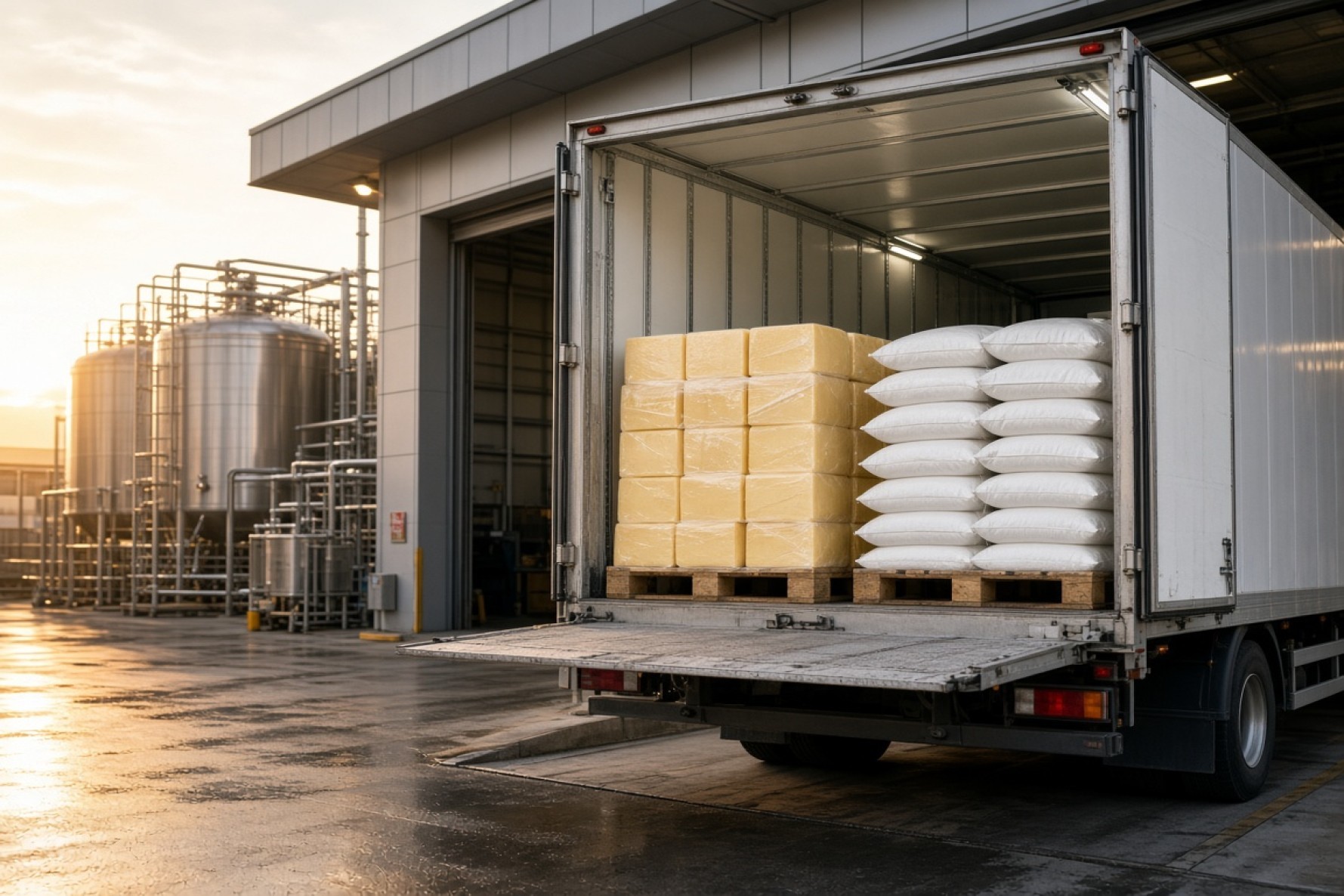
The cold chain is a continuous control of temperature, humidity, time and documentation from harvest or end-of-line production until delivery to the foreign buyer’s warehouse. In Iran’s food exports — from Mazandaran apples and Gilan kiwi to industrial cheese, yogurt, frozen shrimp and −18°C chicken — even a short thermal break can irreversibly change shelf life, texture, colour and safety.
Professional buyers no longer accept “a refrigerated truck” alone. They expect pre-cooling proof, valid ATP plates, PTI reports, loggers at ≤15-minute intervals, contractual set-points with tolerance, and HS plus destination rules (GSO, TR CU 021/2011, EC 853/2004) in the shipment file. This guide maps the technical path from farm and factory to port and border for B2B decisions.
1. Biochemical spoilage and why temperature alone is not enough
Food spoilage combines microbial growth, endogenous enzymes, lipid oxidation and post-harvest respiration (in produce). Psychrotrophic bacteria still grow between 0 and 10°C; Listeria survives slowly but persistently in the cold. In protein, slow freezing (large ice crystals) and post-thaw drip destroy eating quality.
- Arrhenius rule: roughly doubling reaction rates per 10°C — the cold chain is a time chain.
- Dew point: loading warm cargo into a reefer causes surface condensation and mould.
- Ethylene: climacteric fruit (apple, tomato) needs controlled ventilation, not cold alone.
- Water activity (aw): in cheese and butter, RH and packaging matter as much as temperature.
2. Pre-cooling: forced air, hydro, vacuum and slurry ice
A reefer unit has limited pull-down capacity; pre-cooling brings the product core to set-point before loading. Without it, coils ice up, airflow stalls and hot spots remain.
| Method | Mechanism | Typical use | Export note |
|---|---|---|---|
| Forced-air | Cold air forced across pallets | Apples, pears, citrus | CFM/kW and time to core target |
| Hydro-cooling | Sanitised cold water contact | Leafy veg, sweet corn | Chlorine and pathogen control |
| Vacuum cooling | Surface evaporation removes heat | Lettuce, mushrooms | Contractual weight loss |
| Slurry ice | Fine ice in brine slurry | Fresh fish, shrimp | HS 0302/0303; time to −1°C |
For Iran exports, the origin cold store should provide sensor calibration certificates and pre-cool logs (core plus return air) in the COA or transport annex.
3. IQF, MAP and in-line packaging
IQF in a −35 to −40°C tunnel with short residence time forms small ice crystals — the retail export norm for shrimp, poultry pieces and vegetables. Slow block freezing increases drip and spongy texture after thaw.
MAP adjusts O₂/CO₂/N₂ in barrier film to slow aerobic spoilage; used for soft cheese, sliced meat and some cut fruit. MAP extends the window but never replaces refrigeration.
4. Storage and transport matrix — temperature, RH and ventilation
| Product | Store °C | RH | Reefer / notes | Break risk |
|---|---|---|---|---|
| Apple | −1 to +4 | 90–95% | 15–25 m³/h vent; CA for long haul | Mould, firmness |
| Kiwi | 0 to 0.5 | 90–95% | Ethylene-sensitive; separate from apples | Softening |
| Pepper | 7 to 10 | 90–95% | Chilling injury below 7°C | Pitting |
| Tomato | 10 to 15 | 85–90% | Ethylene; away from sensitive fruit | Uneven ripening |
| Cucumber | 10 to 12 | 95% | Cold-sensitive | Water-soaked spots |
| Cheese | 2 to 8 | 80–85% | HS 0406; odour segregation | Listeria |
| Butter | 2 to 4 | <60% | Light and odour protection | Rancidity |
| Yogurt | 2 to 6 | — | Codex chain ≤4°C recommended | Acid breakout |
| Shrimp | −18 to −22 | — | IQF; HS 0306/0307 | Head blackening |
| Fish | −18 to −25 | — | HS 0303; FRC for EAEU | Histamine (fresh) |
| Beef | −18 | — | HS 0202; logger mandatory | Colour change |
| Chicken | −18 | — | HS 0207; health certificate | Drip and texture |
5. ATP, EAEU TR CU 021/2011 and GSO standards
Refrigerated road units and containers in international food transport need valid ATP (Geneva Agreement) certification. Class FNA (K≤0.7 W/m²K) for 0 to +12°C chilled; class FRC (K<0.4) for −20°C cargo in +30°C ambient — de facto required for shrimp and meat into Russia and the Eurasian Economic Union.
EAEU technical regulation TR CU 021/2011 covers food safety in packaging and transport conditions. In the Gulf, GSO frameworks (e.g. GSO 21 labelling, GSO 150 HACCP) apply together with emirate rules (e.g. chilled food <5°C in Abu Dhabi).
| Market / framework | Key instrument | Cold-chain requirement | Shipment evidence |
|---|---|---|---|
| EAEU | TR CU 021/2011, 033/2013 (dairy) | −18°C frozen; temperature trace | EAC, loggers, ATP FRC |
| GCC | GSO, SFDA/SADAIA aligned | HACCP, chilled transport | COA, health certificate |
| EU | EC 853/2004, 37/2005 | Approved establishment, SCC | Health cert, CHED |
| Iraq / Afghanistan | Origin + sanitary certs | Reefer in summer | Invoice, PL, temp annex |
6. Reefer airflow, T-bar floor, load line and PTI
A 40' reefer with aluminium T-bar flooring creates bottom supply / top return airflow. Carton vents must align with pallet slots; the rear floor chute must stay open. The red load line marks maximum stack height — exceeding it blocks return air to the evaporator.
- Before loading: reefer off; after closing doors, PTI pass and start at set-point.
- Frozen: ventilation closed to avoid coil icing.
- Respiring fruit: state CFM/m³/h on booking and B/L.
- Road transit: 380–460 V and sufficient genset fuel at borders.
7. Iran export corridors — north, south, west
Iran combines Gulf sea lanes, overland Iraq and Afghanistan, Caspian north routes and west transit via Turkey. Each corridor has a different thermal profile and “reefer off” duration at checkpoints.
| Corridor | Typical products | Pain point | Technical advice |
|---|---|---|---|
| South — Gulf | Produce, fruit, dairy | 45°C+ quay heat | Port plug-in, pre-cool, free time |
| West — Iraq | Yogurt, cheese, chicken | Border delays | Genset, dual loggers, demurrage clause |
| North — Caspian | Kiwi, apple, fish | Winter −20°C ambient | Reefer heating mode |
| East — Afghanistan/Pakistan | UHT, frozen, powder | Multi-leg routing | TTI on dairy packs |
| Transit Turkey / EU | Dates, nuts, seafood | Sanitary inspection | ATP, SCC, traceability |
8. Data loggers, IoT and TTI
PDF/CSV loggers at ≤15-minute intervals (often 5–10 minutes for frozen) are standard in structured markets. Probes belong in the pallet core, not only near the reefer return air; two units are recommended for loads above ~20 tonnes.
IoT (GPS + temperature) on road reefers gives UAE and EU buyers live visibility. TTI labels on dairy complement logger files for retail downstream.
9. Cold-chain cost breakdown
| Cost item | Typical range | Contract placement | FOB/CIF impact |
|---|---|---|---|
| 40' reefer ocean freight | 1.8–3× dry | Freight quote | Per Incoterms |
| Port plug-in power | 50–120 USD/day | Demurrage annex | Seller or buyer |
| Road genset | 80–150 USD/day | Trucking SLA | Iraq/Turkey legs |
| Pre-cooling | 0.05–0.15 USD/kg | COA handling | Claim reduction |
| Logger + calibration | 15–40 USD/unit | Quality annex | Destination rule |
| Cargo insurance (cold) | +25–50% | Policy clause | Temperature warranty |
| Reefer demurrage | 100–250 USD/day | Free time | Customs planning |
10. HS Chapters 02–08 — classification and cold chain
HS codes drive health certificates, duty, inspection and equipment type. Frequent chilled/frozen Iran exports:
| Chapter | Scope | Sample HS | Cold chain |
|---|---|---|---|
| 02 | Meat | 0202, 0207 | −18°C, SCC |
| 03 | Seafood | 0303, 0306 | IQF, FRC |
| 04 | Dairy | 0406, 0403 | 2–8°C (fresh) |
| 07 | Vegetables | 0709, 0702 | Reefer + RH |
| 08 | Fruit | 0808, 0805 | Optional CA/MAP |
11. Importer checklist
- Exact HS and PL description aligned with COA
- Set-point °C, tolerance ±, RH or dehumidification
- Pre-cooling protocol and core time-to-target
- Valid reefer PTI and ATP plate (FRC/FNA)
- Minimum two calibrated loggers; interval ≤15 min
- Vent m³/h or “closed vent” for frozen
- Incoterms, ports, reefer free time, plug-in responsibility
- Health/veterinary cert, HACCP, TR CU/EAC where required
- Insurance with temperature clause and door-opening liability
12. Pricing and freight enquiry fields
Forwarders and plants need at least:
- HS code and product state (fresh / frozen / chilled)
- Gross/net weight, pallet count, dimensions, pack type (IQF bag, vented carton)
- Target temperature, RH, MAP/CA needs
- Load/discharge ports, transit, Incoterms 2020
- Equipment (40' HC reefer, genset, multi-temp)
- Cargo-ready date and remaining shelf life at destination
- Logger requirements and destination standard (GSO, EAEU, EU)
13. Cold-chain sourcing via Iranco
Iranco matches producers, cold-store operators, IQF plants and export-licensed suppliers to international buyer specs — from lab samples and cold-capacity audits through reefer booking and temperature annexes in the contract.
Summary
Food export cold chain is an invisible production line: scientific pre-cooling, correct storage set-points, reefer airflow discipline, valid ATP and PTI, 15-minute loggers, and aligned HS and destination documents. Removing any link turns freight savings into claims, destroyed containers and lost buyers. Planning starts at farm and plant — not at the quay.
FAQ
Can a reefer cool down a warm load?
No. The refrigeration unit only offsets wall heat gain. Warm product ices the coil, kills airflow and damages cargo — pre-cooling is mandatory.
Why −18°C for frozen goods?
Codex and most market rules treat −18°C as the maximum permitted core temperature in the frozen chain; brief excursions must be justified on loggers and covered in contract annexes.
Reefer vs Controlled Atmosphere (CA)?
Reefers control temperature and RH; CA stores or special containers lower O₂/CO₂. CA complements reefers on long apple/kiwi lanes — it does not replace cooling.
What is the T-bar floor for?
T-bar rails maintain cold channels under pallets; flat loading or blocking the chute creates temperature gradients and local spoilage.
IQF vs slow block freezing?
IQF yields small crystals and less drip; slow block freezing suits bulk economy but lowers retail export quality.
What should a data logger include?
Valid calibration, interval ≤15 minutes, placement in pallet core, tamper-evident PDF report, and a spare unit on large loads.
What to send for a freight quote?
HS, temperature, weight/pallets, ports, Incoterms, genset/ATP needs and ready date — without these, reefer quotes are unreliable.
How to source via Iranco with cold-chain control?
Submit technical specs, destination and set-point through contact — verified units with cold-store capacity and export documents will be proposed.
Featured Products





Related Articles



