 فريق مجلة إيرانكو
من اختيار الحصاد والتصنيف إلى البريكس والصلابة والتعبئة والسلسلة الباردة وحدود المبيدات
تصدير الخوخ والنكتارين · FFV-26 · السلسلة الباردة · السوق العراقي
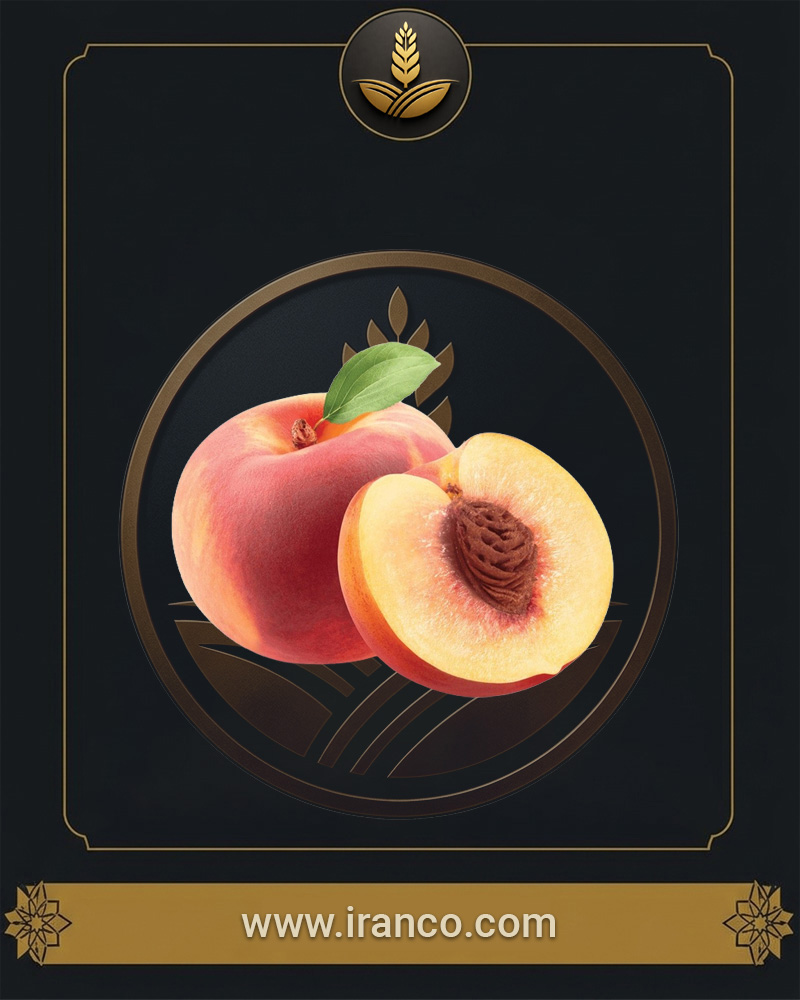
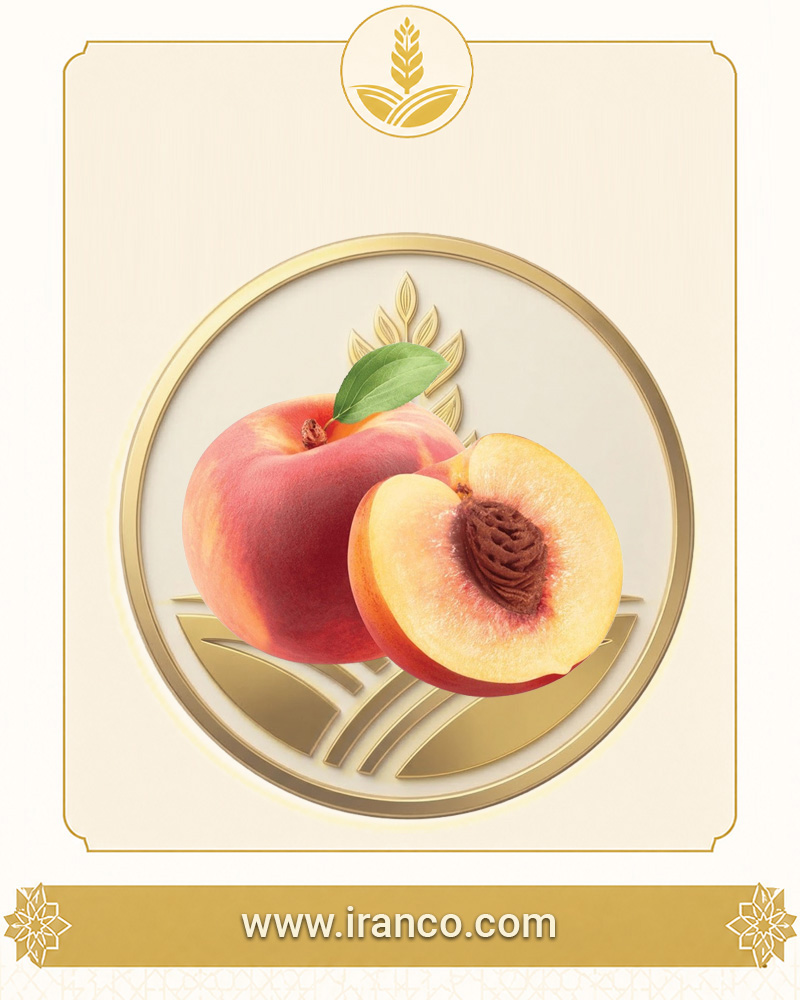
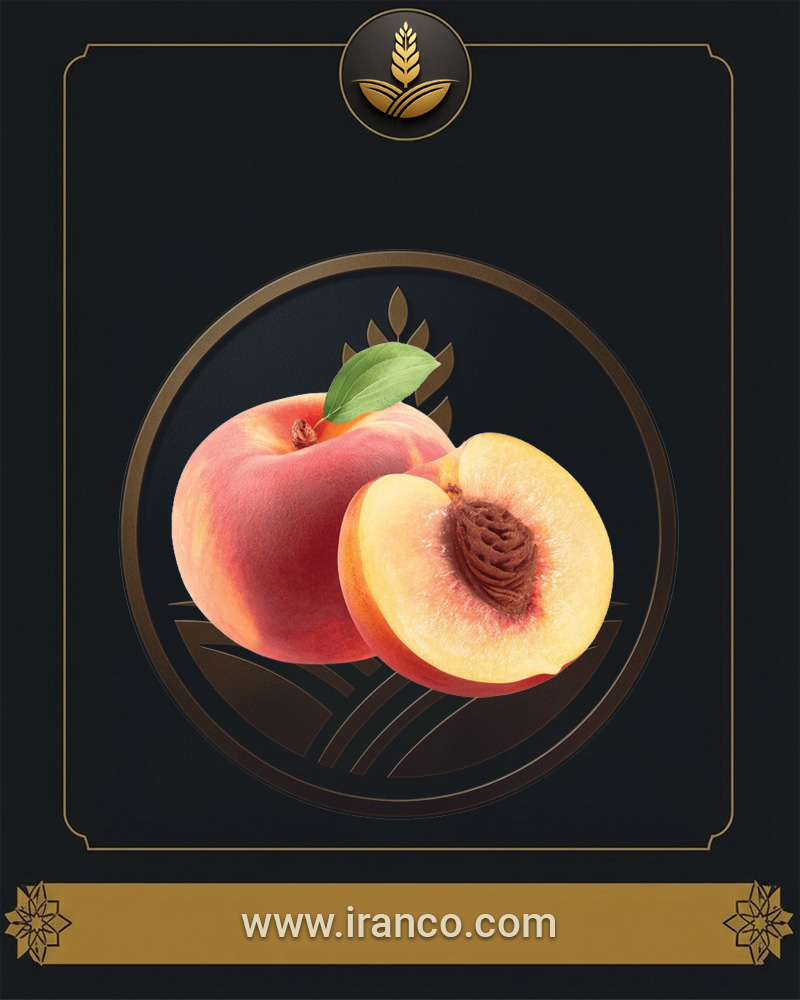
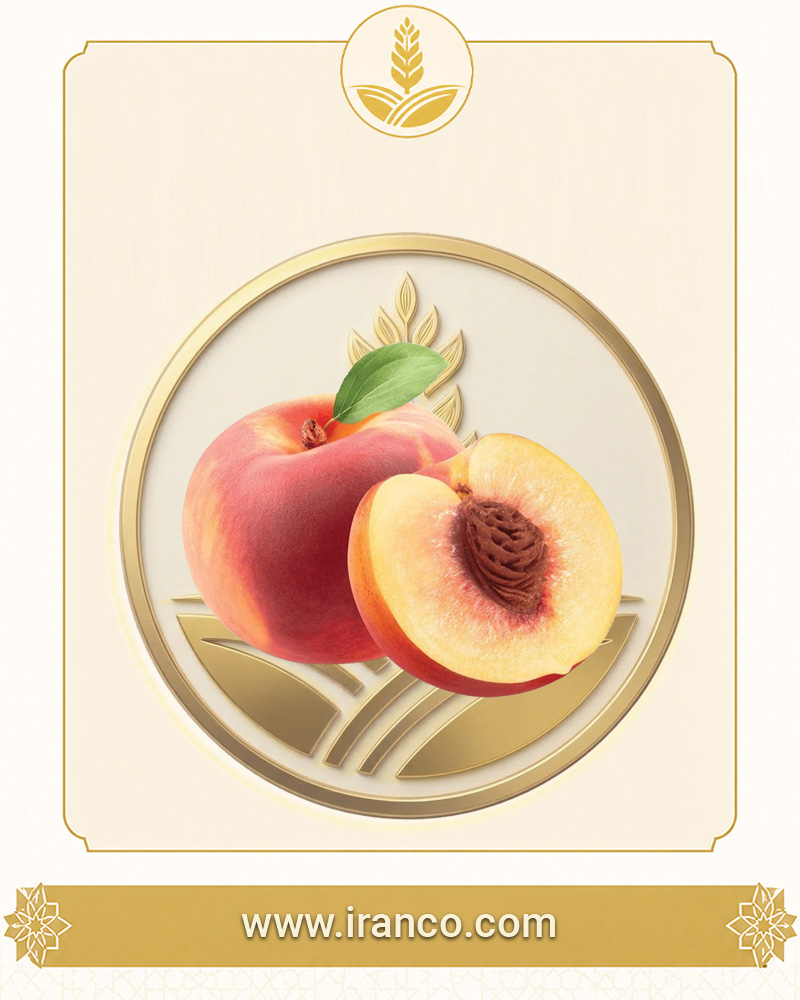
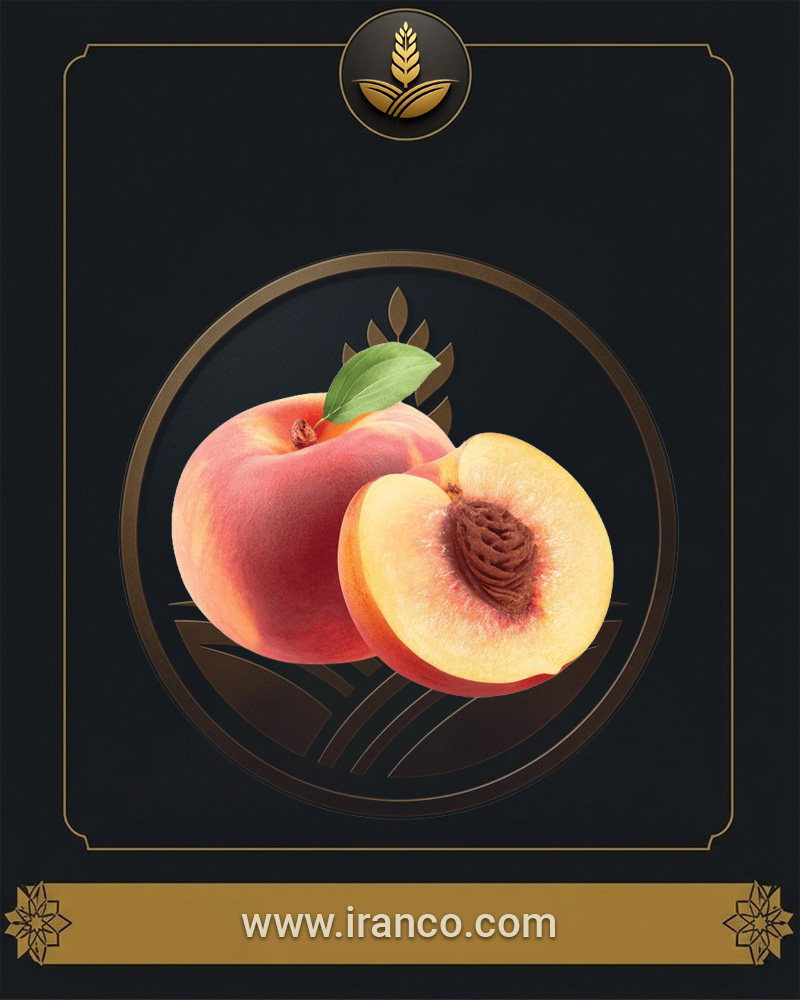
تصدير الخوخ والنكتارين الإيراني؛ أسواق الهدف ومعايير المنتج الطازج
من اختيار البستان والتصنيف إلى البريكس والصلابة والتعبئة والتبريد المسبق وشهادة الصحة النباتية وحدود المبيدات — دليل المشتري المهني.
Iranian peaches and nectarines benefit from diverse growing regions and a long harvest window. Export success depends on firmness, ripeness, size, skin quality, MRL compliance, pre-cooling and an unbroken cold chain — not appearance alone. With ~613,000 t global output (2023) and staged supply from Mazandaran through Azerbaijan and Qazvin, multi-region exporters can run longer sales programmes than single-orchard suppliers.
1. Iran's supply position
Mazandaran is the early-season hub: >12,000 ha and >275,000 t forecast in 1403; early nectarines can start in Ordibehesht.
West Azerbaijan continues mid- and late-season fruit into mid-Mehr; East Azerbaijan and Qazvin are other key origins.
Origin matters when combined with specs, harvest date, sorting capacity, time to the cold store and distance to border or port.
2. Commercial groups and export impact
| Group | Trait | Commercial note | Use |
|---|---|---|---|
| هلو معمولی | پوست کرکدار | حساس به فشار | تازهخوری |
| شلیل | پوست صاف | حساس به لکه و ضربه | خردهفروشی |
| هلو انجیری | فرم تخت | اندازهبندی متمایز | بازارهای خاص |
| گوشت زرد/سفید | رنگ گوشت | طعم و ظاهر | عمده و خرده |
Terms like 'export red nectarine' are too vague — skin colour %, diameter/weight, loading ripeness and defect limits must be numeric or photo-referenced.
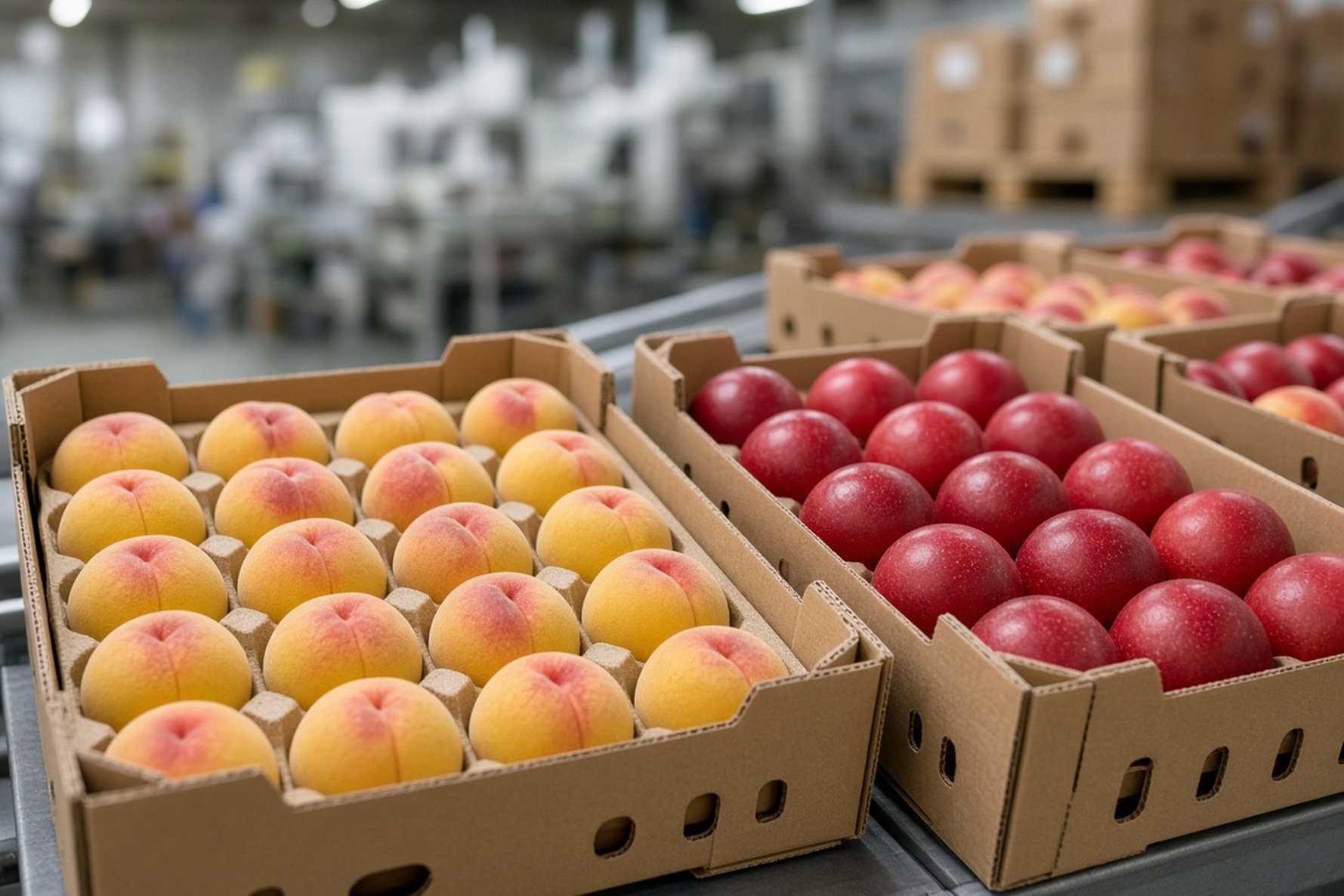
Larger is not always better: oversized soft fruit suffers more on long hauls than slightly smaller, firmer fruit. FFV-26 sets 56 mm / 85 g (extra) and 51 mm / 65 g (class I & II).
3. Technical contract specifications
| Parameter | Define | Importance |
|---|---|---|
| محصول | هلو، شلیل یا انجیری | جلوگیری از اختلاف سفارش |
| اندازه | قطر/وزن یا تعداد | یکنواختی تجاری |
| درجه | ممتاز، یک، دو یا قراردادی | تلرانس عیوب |
| بریکس | حداقل توافقی (۸+) | رسیدگی و شیرینی |
| سفتی | محدوده بارگیری | حملپذیری |
| MRL | مقررات مقصد | ورود و ایمنی |
FFV-26 defines three quality classes; fruit must be sound, clean, decay-free, largely pest-free and fit to travel.
Minimum 8° Brix is a baseline ripeness index — professional buyers also assess firmness, colour, internal cut tests and time to consumption.
4. Target export markets
| Market | Status | Note |
|---|---|---|
| عراق | بازار بالفعل بزرگ | حمل زمینی؛ سرعت تحویل |
| عمان | واردات ثبتشده از ایران | بستهبندی و زنجیره سرد |
| قطر | رقابت چندمبدأیی | ظاهر و یکنواختی |
| روسیه | بازار بالقوه حجیم | رقابت ترکیه و آسیای مرکزی |
Iraq imported ~10.5 million kg fresh peaches/nectarines in 2024 trade data, with >7 million kg from Iran. Oman, Qatar, Kuwait and Armenia also show direct Iran origin.
Russia is large but crowded — Turkey, Uzbekistan, Azerbaijan and Georgia ship high volumes. Sustainable entry needs repeatable quality and quarantine compliance.
5. Standards and entry requirements
FFV-26 (2023) is a key commercial reference; EU marketing rules 2023/2429 apply from 2025 for peaches and nectarines.
Phytosanitary certificates (ISPM 12) are required for most destinations. EU MRLs sit under Regulation 396/2005 — orchard spray programmes must match the target market before harvest.
6. Quality control and defects
| Defect | Effect | Action |
|---|---|---|
| پوسیدگی | غیرقابل قبول | حذف کامل |
| ضربه عمیق | فساد سریع | حذف از صادرات |
| میوه بیشنرم | عمر کوتاه | بازار نزدیک یا حذف |
| عدم یکنواختی | کاهش ارزش بسته | سورت مجدد |
QC starts before picking. Key defects: bruising, stem cracks, marks, sunburn, decay, over-ripeness and shrivelling.
Cut tests reveal chilling injury and internal breakdown invisible on the skin until after arrival.
7. Shipment testing
MRL panels must cover actives actually used in the orchard. Brix (refractometer) and firmness (agreed method) should be contractually defined.
Sampling must span pallets and carton positions — top-carton samples do not represent multi-tonne lots.
8. Export packaging
| Method | Advantage | Limit | Use |
|---|---|---|---|
| سینی قالبدار | کاهش ضربه | هزینه بالاتر | بازار ممتاز |
| کارتن چندردیفه | اقتصادی | چیدمان دقیق | عمدهفروشی |
| جداکننده | کاهش جابهجایی | مواد بیشتر | حمل متوسط/بلند |
Packs must protect against impact, allow cold air flow and avoid over-compression.
Poor vent holes slow cooling to pallet cores; contact materials must be food-grade without trapping excess moisture.
9. Cold chain and transport
Long holding at ~2–8°C can raise chilling injury and internal breakdown risk; near-zero but above freezing suits many commercial groups.
Loading warm field fruit into reefers is a common mistake. Flow: pick → rapid removal → sort → pack → pre-cool → load pre-chilled → temperature logging.
10. Competitors and Iran's edge
Spain, Turkey, Jordan, Chile and Italy lead global fresh exports. Iran's edges are volume, wide harvest windows and proximity to Iraq.
Mixed multi-orchard lots without firmness control and stable cold chain waste production scale.
11. Pricing and importer checklist
Price follows season, product type, size, colour, firmness, grade, sort-out, pack, pre-cool, testing, volume, routing and destination — quotes without specs mislead.
Before ordering: define product, flesh colour, numeric size, grade, minimum Brix, firmness, defect tolerances, MRL plan, carton type, loading temperature, loggers, phytosanitary rules and cold-chain accountability.
12. Purchase requests on Iranco
Foreign buyers need product that matches written specs and repeatable commercial supply. Iranco is the B2B path to register structured food and farm purchase requests.
Move from generic 'export peach' to measurable terms — size, Brix, firmness, pack, volume and destination.
Importer checklist (10 points)
- Define product (peach, nectarine, flat) and flesh colour.
- State size by diameter, weight or count per carton.
- Set grade and visible defect tolerances.
- Write minimum Brix and firmness at packing.
- Reject decay; align MRL testing with destination.
- Approve a reference sample before the main order.
- Specify carton type, net weight and tray/dividers.
- Contract real pre-cooling and loading temperature.
- Require temperature loggers and phytosanitary certificates.
- Document accept/reject criteria and cold-chain responsibility.
الأسئلة الشائعة
What is the HS code for fresh peaches and nectarines?
Harmonized code 080930; align customs description and national subheadings with commercial documents.
What is Iran's main current market?
2024 data points to Iraq with >7 million kg recorded from Iran; Oman, Qatar, Kuwait and Armenia are smaller but active.
What minimum Brix is appropriate?
FFV-26 sets 8° Brix minimum for ripeness; contracts may require higher, but Brix alone is not acceptance.
What transport temperature is recommended?
About −1 to 0°C at 90–95% RH; fruit should be pre-cooled before loading and stay stable in transit.
Is holding at 5°C OK?
Long storage around 2–8°C can increase chilling injury and internal breakdown; near-zero above freezing is preferred.
Minimum export size?
Extra: 56 mm or 85 g; Class I & II: 51 mm or 65 g under FFV-26.
Most important tests?
MRLs, Brix, firmness if needed, visual QC, decay/pests and internal cut inspection.
Best nectarine pack for export?
Premium: strong cartons with trays/dividers; wholesale: multi-layer cartons with tight sizing and good vents.
الخلاصة
يخلق تصدير الخوخ والنكتارين الإيراني ميزة حقيقية عندما يُدار المسار من البستان إلى السوق كسلسلة واحدة؛ العراق سوق نشط كبير في ۲۰۲۴ والمواصفات الرقمية والسلسلة الباردة والامتثال للمبيدات أساس النجاح.
منتجات مميزة




مقالات ذات صلة



