 Команда журнала Iranco
Промпереработка, COA, стандарты ЕАЭС и Персидского залива, асептическая упаковка, холодовая цепь и внешняя торговля
Сок и концентрат · Оптовая закупка · Экспорт
Иранский фруктовый сок: виды, оптовая закупка и экспорт
Промпереработка, COA, стандарты ЕАЭС и Персидского залива, асептическая упаковка, холодовая цепь и внешняя торговля.
Введение
Fruit concentrate is an industrial raw material. Buyers prioritise stable Brix, acidity, colour, flavour, microbial load, authenticity and batch-to-batch repeatability. Export differs fundamentally from fresh fruit: plants need a standardised input to repeat formulations. Iran has strong apple, grape and pomegranate bases; commercial value depends on specs, packaging, traceability and destination compliance. 2023 data shows Turkey imported over 22.7 million kg in Iran’s apple-juice trade group, with registered flows to Germany, India and Armenia as well.
1. Why concentrate matters in industrial trade
Concentrate removes part of the water from juice, increasing soluble solids and reducing volume for shipping, storage and plant use. Beverages, nectars, fruit dairy, ice cream, jams, bakery fillings, sauces and confectionery use concentrate as a fruit base.
Apple and grape concentrates are flexible bases; pomegranate and sour cherry lines target colour, acidity and sensory identity. Final use — juice reconstitution, sweetness correction or flavour in a compound formula — must be agreed upfront.
2. Key concentrates Iran can supply
Apples in cool regions, grapes across several provinces and pomegranate in central/southern Iran are established processing crops. Brix alone does not define quality: two 70 Brix apple lots can differ in acidity, colour, clarity and patulin.
| Product | Typical spec | Main use |
|---|---|---|
| Apple concentrate | ~70 Brix, clear/cloudy | Beverages, nectar, jam, bakery |
| Grape concentrate | ~68 Brix | Beverages, jelly, fruit base |
| Pomegranate concentrate | ~65 Brix | Beverages, sauce, dairy, dessert |
| Sour cherry concentrate | Acidic, coloured | Beverages, jam, ice cream |
| Blends | Buyer formula | Combined drinks, PL |
3. Technical specs buyers expect
Professional buyers send a spec or acceptance ranges — not price-only RFQs. Minimum: Brix with tolerance, titratable acidity, pH, clarity/turbidity, colour, microbiology, patulin (apple), pesticide residues, aseptic status, pack and storage.
A common mistake is quoting only “apple concentrate 70 Brix”. A clear-beverage plant may set turbidity and colour limits; a sauce plant cares less about clarity — specs must start from end use.
| Parameter | Definition | Importance |
|---|---|---|
| Brix | Target ± tolerance | Solids and dilution |
| Acidity | Dominant fruit acid | Taste and formula |
| pH | Acceptance range | Stability and process |
| Clarity/turbidity | NTU or agreed | Clear drinks |
| Microbiology | Contract limits | Safety and shelf life |
| Patulin | e.g. ≤50 µg/kg EU | Apple, EU markets |
| Aseptic | Yes/no | Transport and storage |
4. Real markets and Iran’s opportunity
2023 apple-juice group data: Turkey ~USD 24.3M and >22.7M kg; EU ~2M kg; Germany ~1.6M kg; India ~419k kg; Armenia ~300k kg. These flows show trade routes — industrial concentrate contracts must be classified with the correct tariff subheading and actual Brix.
Turkey is both an active buyer and a processing rival; Europe is standards-driven (traceability, MRLs, food safety systems). India and the Caucasus suit some regional lanes. For grape juice, Japan, the US, China and Germany were among 2023’s largest global importers — indicating demand scale, not necessarily Iran’s current share.
| Market | Iran position | Priority |
|---|---|---|
| Turkey | Active route | Price, consistency, road freight |
| European Union | Expandable | Safety, traceability, MRLs |
| Germany | Competitive industry | Stable quality, documents |
| India | Existing lane | Price, Brix, supply |
| Caucasus | Regional | Lead time, order flexibility |
5. Standards, rules and HS codes
Codex CXS 247-2005 is a key reference for juice, nectar and minimum reconstituted Brix. HS chapter 2009 covers non-fermented juices: 200979 apple juice Brix >20, 200969 grape Brix >30, 200989 other single fruit, 200990 blends.
EU: Directive 2001/112/EC (2024/2026 updates); patulin max 50 µg/kg on juice and concentrate (assessed on reconstituted product). Turkey: Communiqué 2014/34. US: 21 CFR Part 120 juice HACCP applies to imported concentrate used as beverage raw material.
6. Quality control — where deals are won or lost
Colour or acidity shifts between lots can stop multi-million-bottle runs. Contract Brix often uses tolerances (e.g. 70±1 apple, 68±1 grape). Report acidity on the dominant acid (malic in apple, tartaric in grape). pH complements titratable acidity; it does not replace it.
Patulin in apple links to mouldy or damaged fruit — raw-material sorting is critical. Authenticity checks use sugar/acid profiles and chromatography; a professional COA must match the destination market.
- TPC, yeast, mould, coliforms — numeric contract limits
- Dedicated patulin testing for apple in sensitive markets
- Pesticide residues and heavy metals per destination
- Retain an approved reference sample for the contract term
7. Aseptic packaging, storage and shipping
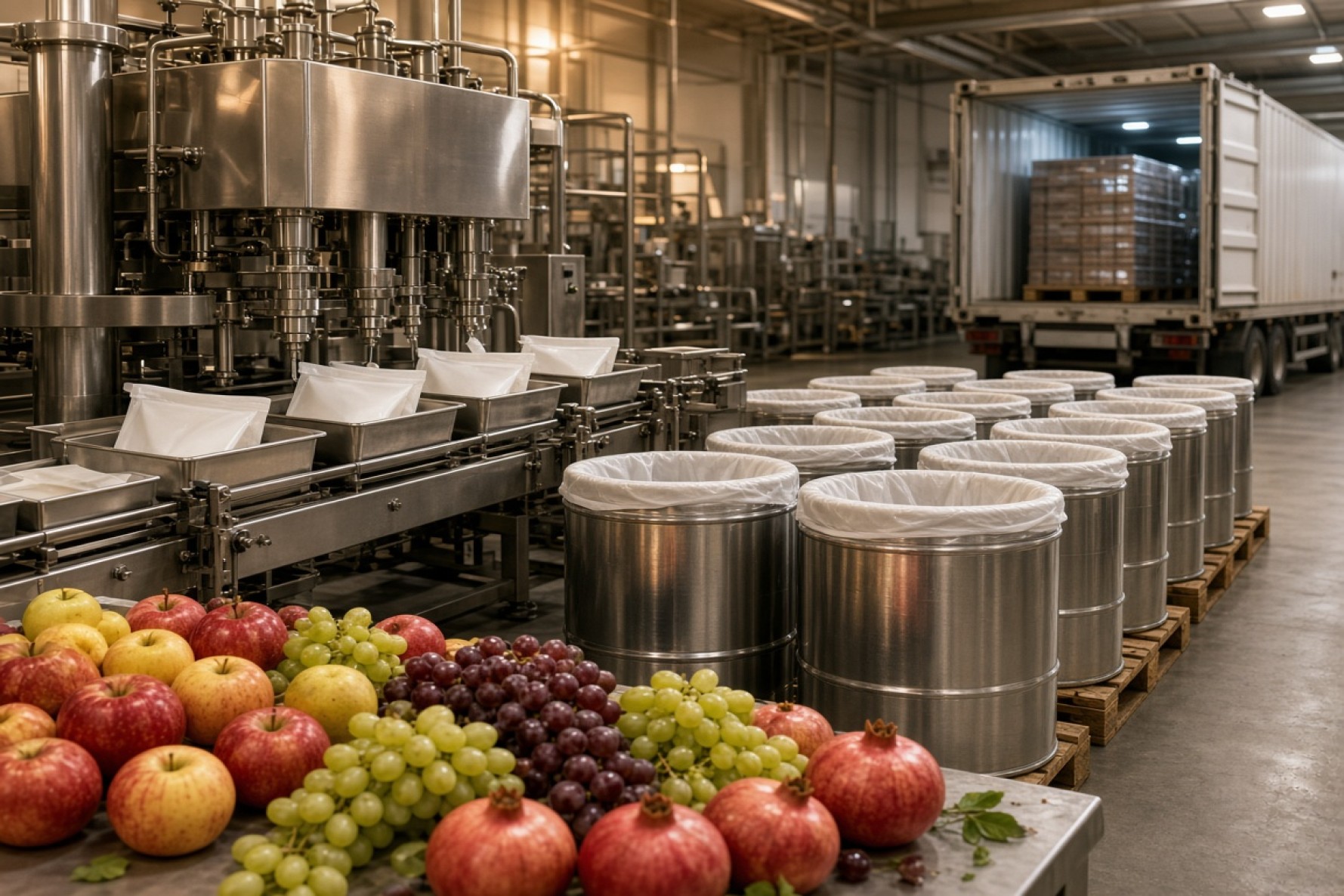
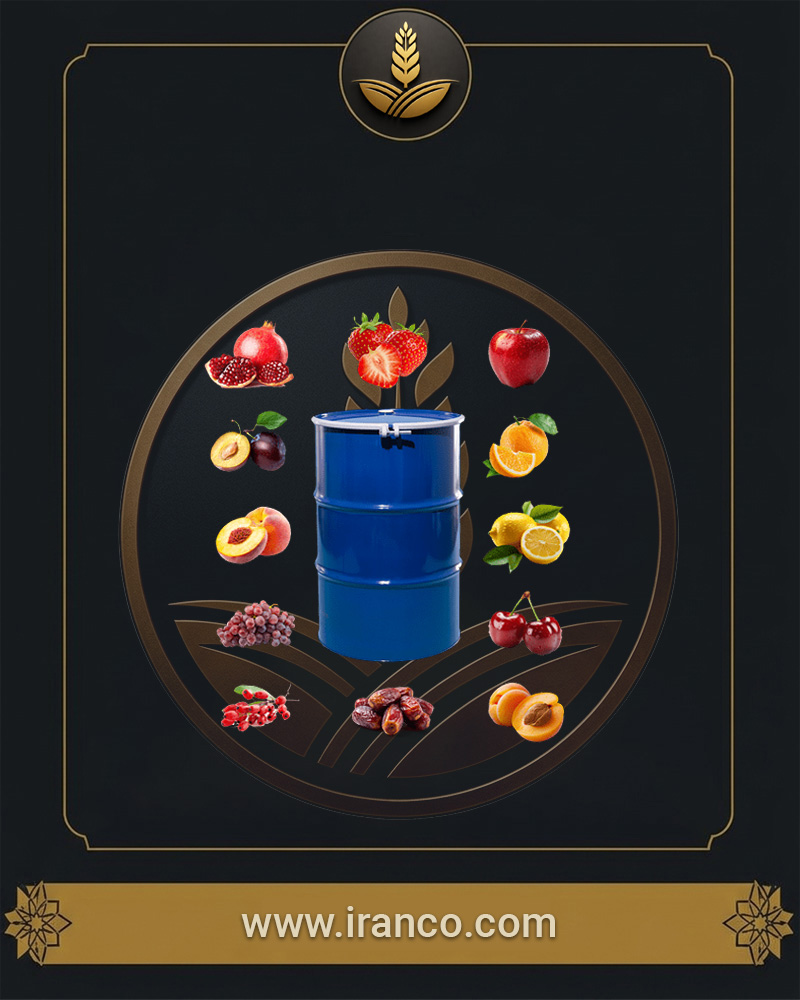
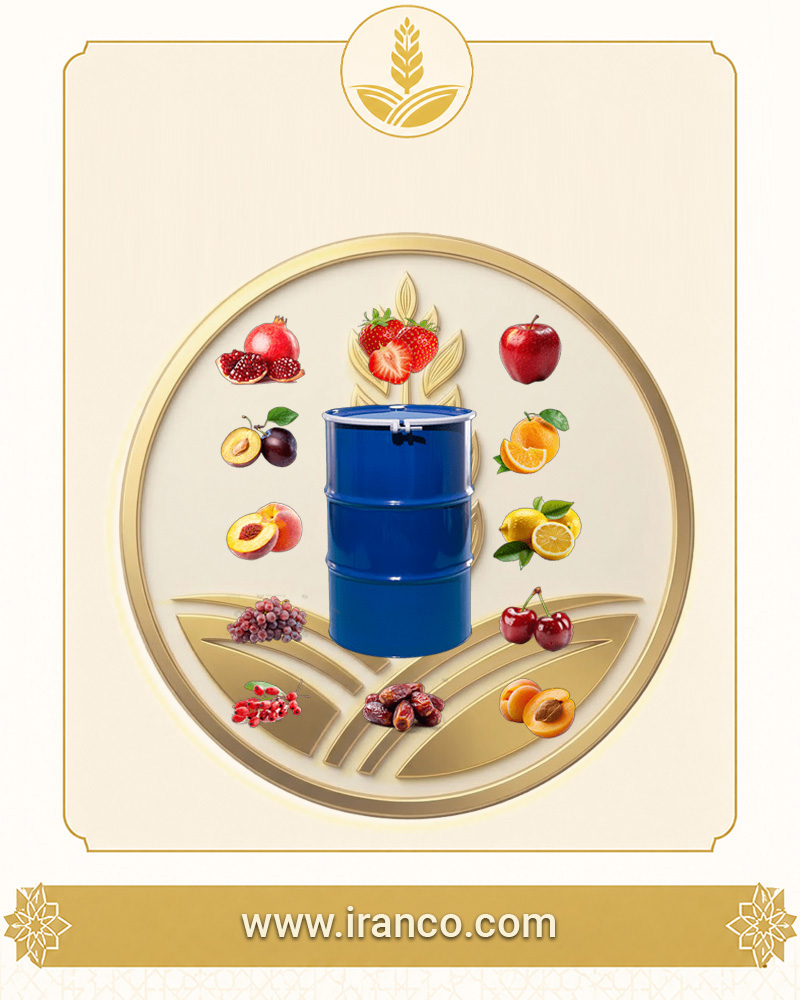
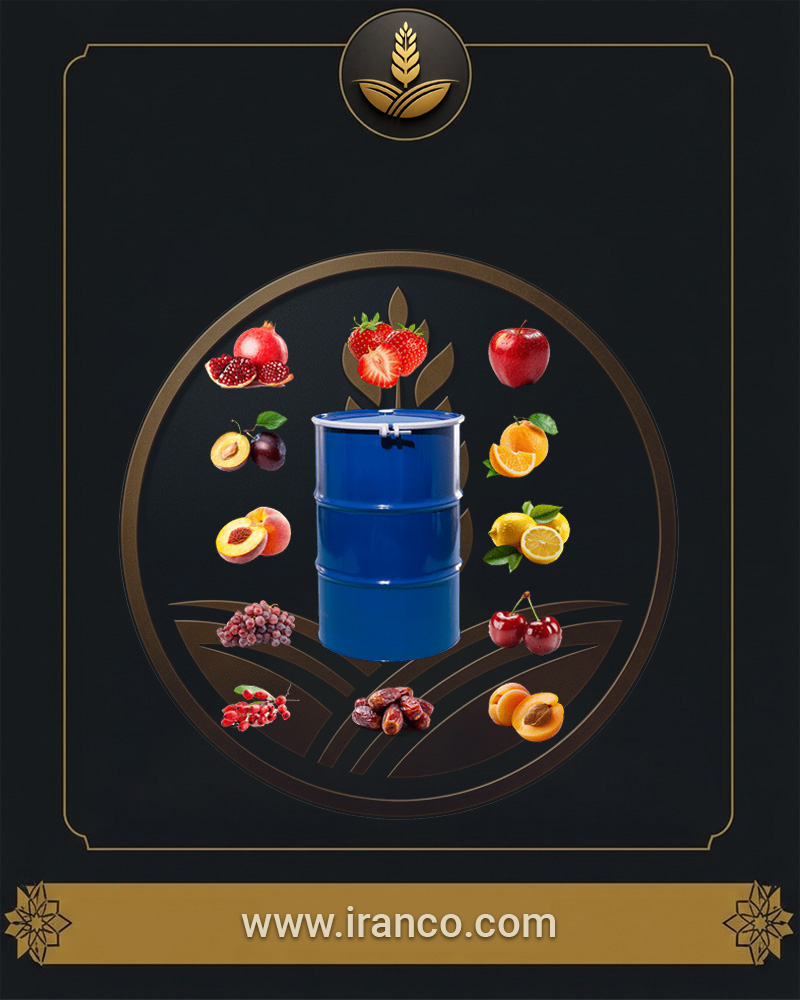
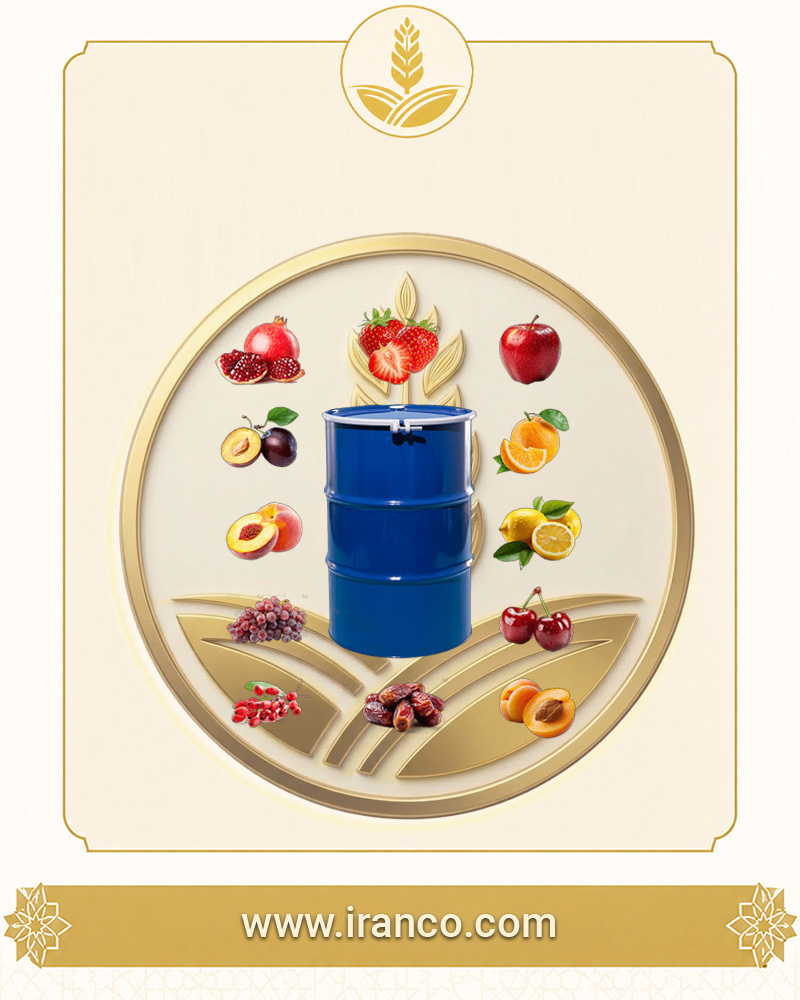
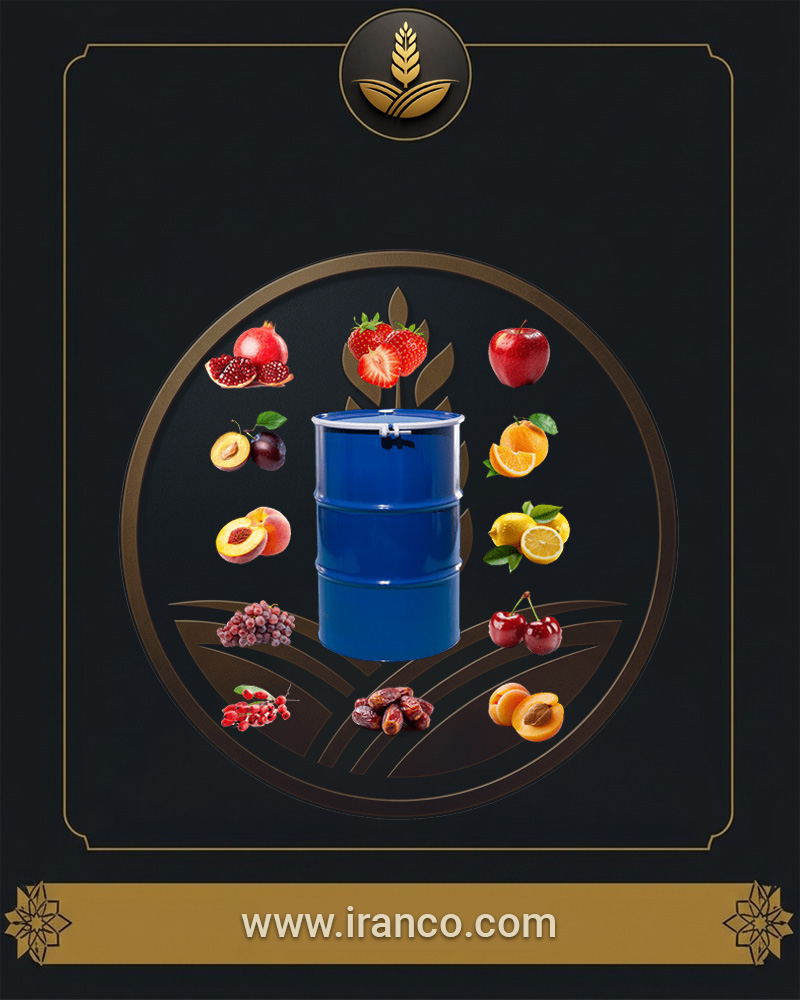
Aseptic filling into steel drums with sterile bags is standard; net weight often ~200–275 kg (apple commonly ~250–275). Benefits: lower secondary contamination risk, longer shelf life, no preservatives needed, easy plant discharge.
Colour/aroma-sensitive lines (red grape, pomegranate) may need frozen or chilled chains. Many aseptic apple concentrates ship ambient — conditions must be stated on each lot. Pre-loading checks: seals, batch, net weight, bag integrity, labels and documents.
| Format | Advantage | Limitation |
|---|---|---|
| Aseptic drum | Simpler transport | Needs suitable filler |
| Frozen | Better colour/aroma | Cold-chain cost |
| IBC/tank | Large users | Discharge coordination |
| Bulk | Lower pack cost | Hygiene and logistics |
8. Pricing
Price comparisons need identical specs. Drivers include seasonal fruit cost, target Brix, clarity, filtration, acidity, colour, heat process, aseptic status, required tests, plant certifications, volume, drum weight, Incoterms and contract season.
Always pair price requests with technical data. Iranco buyers should register Brix, acidity, packaging, volume, destination and tests before comparing offers.
9. Iran vs global suppliers
Apple juice trade: Poland, China, Turkey, Germany, Ukraine and Austria are major players. Grape concentrate: Spain, Italy, Argentina, Chile, Turkey. Iran’s sellable edges: seasonal fruit access, tailored acidity/colour, road links to Turkey and the Caucasus, pomegranate and sour cherry identity, aseptic supply and custom grades.
The constraint is competing with large, mature supply chains — focus on batch consistency, COAs, traceability and contract execution.
10. Importer checklist
Before placing an order, document:
- Fruit type, clear/cloudy, Brix and tolerance, acidity and pH
- Colour, turbidity, sample and plant-scale trial
- Microbiology, patulin (apple), destination MRLs
- Pack, drum weight, aseptic/frozen, transport conditions
- Batch, pre-shipment COA, accept/reject and sampling
- Incoterms and risk transfer point
11. Professional price-request fields
Product, appearance, Brix±, acidity, pH, colour, aseptic yes/no, drum net weight, volume, shipment pattern, destination, delivery point, storage mode, tests, plant certificates and end use (beverage, dairy, jam, sauce).
Iranco lets importers register purchase requests with these fields so Iranian supply options are screened on real needs — not the generic label “fruit concentrate”.
Частые вопросы
Which Iranian concentrate fits industrial export best?
Apple leads on volume, applications and recorded trade (Turkey, Europe); pomegranate, grape and sour cherry add value in niche colour/acid markets — choice depends on destination specs.
Is higher Brix always better quality?
No — Brix is concentration; quality also depends on acidity, colour, flavour, turbidity, microbes and contaminants.
Typical export apple concentrate Brix?
About 70°Brix with ~±1 tolerance in many commercial specs, plus acidity, pH, clarity and patulin.
Typical pomegranate concentrate Brix?
About 65°Brix; also check acidity, colour, sensory profile and heat sensitivity.
Most critical test for apple concentrate?
A full QC panel; patulin is pivotal for apple and EU (50 µg/kg on reconstituted juice).
Can aseptic concentrate ship in a dry container?
Depends on the spec — some aseptic apple is ambient; coloured lines may need chilled or frozen service.
Largest current market for Iran apple-juice group?
2023 data: Turkey as top recorded destination (>22.7M kg).
What should buyers provide for samples?
Fruit type, Brix, acidity, clear/cloudy, application, packaging, volume, destination and tests.
How to source from Iran?
Set specs and volume; review sample, COA and logistics — or submit an Iranco purchase request.
Why can two “same” prices differ sharply?
Fruit quality, season, acidity, colour, process, aseptic status, tests, volume and delivery — compare only on identical specs.
Итог
Главная возможность — превратить сельхозпреимущество в стандартизированное сырьё; стабильность между партиями переводит пробные заказы в долгосрочные контракты.
Избранное Продуктs
Related Статьи



