 Команда журнала Iranco
Экспортные культуры, целевые рынки, стандарты качества, упаковка, холодовая цепь и требования к оптовой закупке иранских овощей
Экспорт овощей · Теплицы · Холодовая цепь · Глава 07
Экспорт овощей из Ирана: какие продукты имеют наибольший потенциал?
Сладкий перец, помидоры, огурцы, баклажаны, лук и картофель — коммерческий потенциал, Ирак и залив, Россия и Кавказ, качество, упаковка и температура перевозки.
Введение
Потенциал экспорта овощей Ирана зависит не только от объёма. Близость к рынкам, разнообразие климата и теплицы дают практические преимущества; прибыль появляется при управлении рынком, однородным качеством, упаковкой и короткой доставкой.
1. Почему Иран подходит для экспорта овощей
Climatic diversity allows production in different seasons; greenhouses extend the supply calendar. Short distances to consuming markets matter for live fresh produce more than for dry goods — refrigerated road or short sea legs are a real advantage.
Iran produces large volumes of tomato, potato, onion and leafy herbs, but export advantage appears when suppliers deliver repeatable size, colour and carton quality across consecutive loads.
2. Продукты с наибольшим потенциалом
| Product | Potential | Suitable markets | Main sensitivity |
|---|---|---|---|
| Bell pepper | Very high | Russia, Gulf, Iraq | MRL, cold chain |
| Tomato | Very high | Iraq, Oman, Qatar | Ripeness, transit bruising |
| Cucumber | High | Iraq, Caucasus, Qatar | Water loss, yellowing, chill |
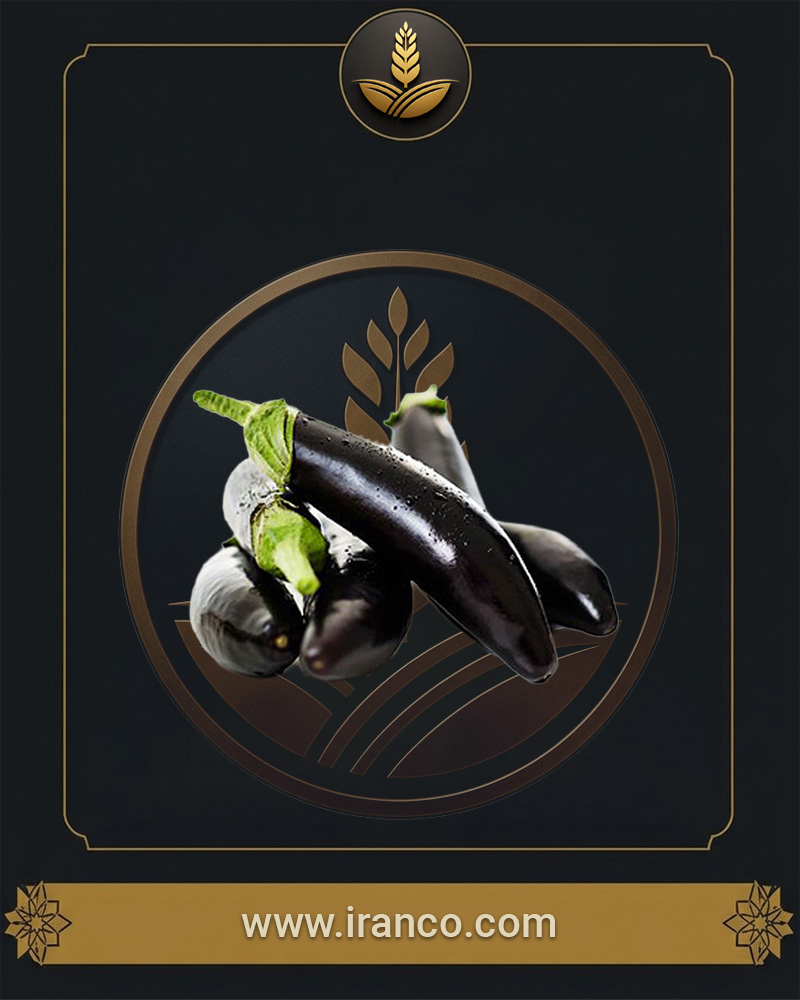
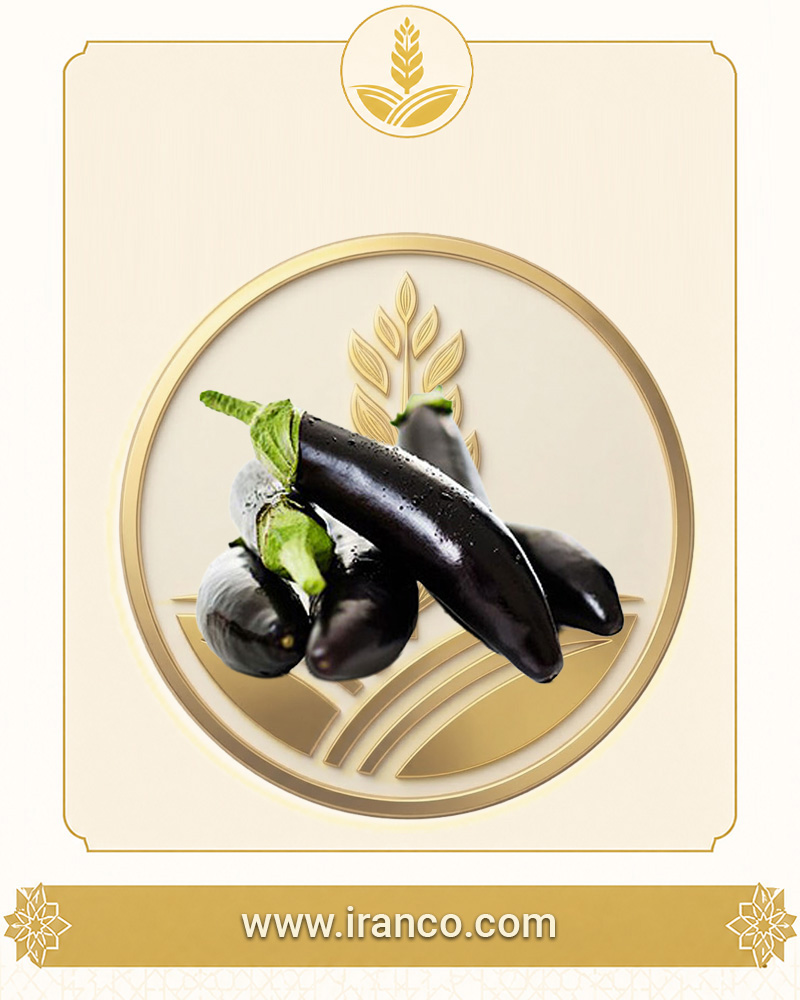
| Aubergine | High | Russia, Iraq, Gulf | Impact, chilling |
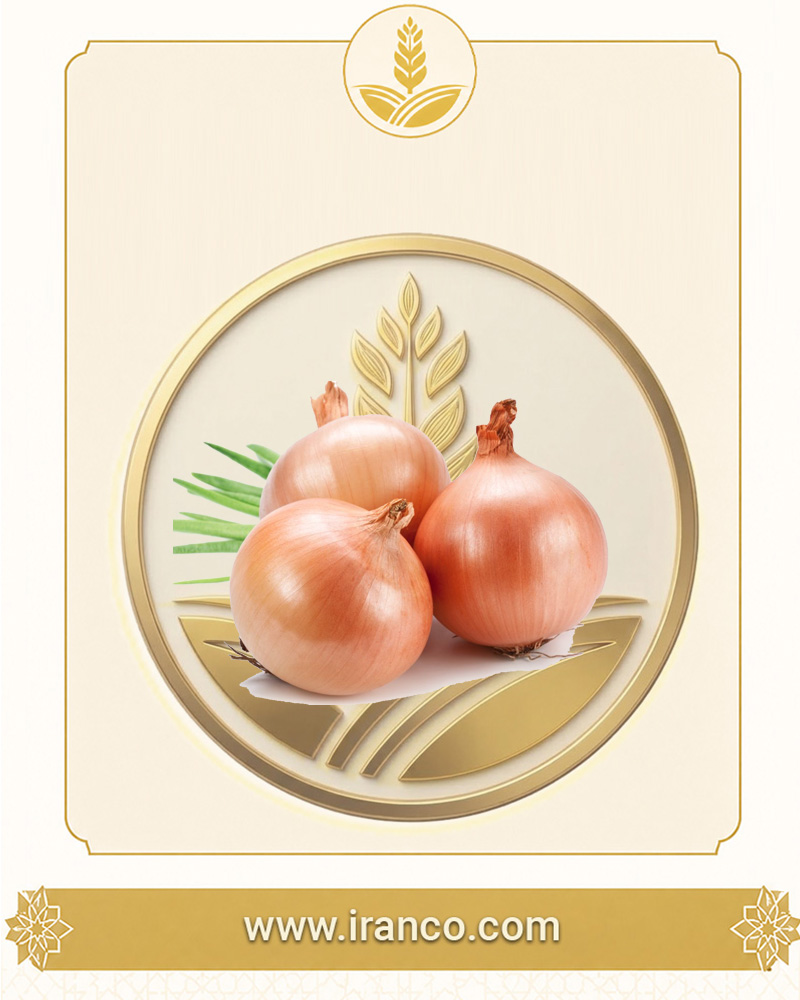
| Onion | Volume | Iraq, Oman, Pakistan | Curing, price swings |
| Potato | Volume | Azerbaijan, Iraq, Gulf | Sprouting, mechanical damage |
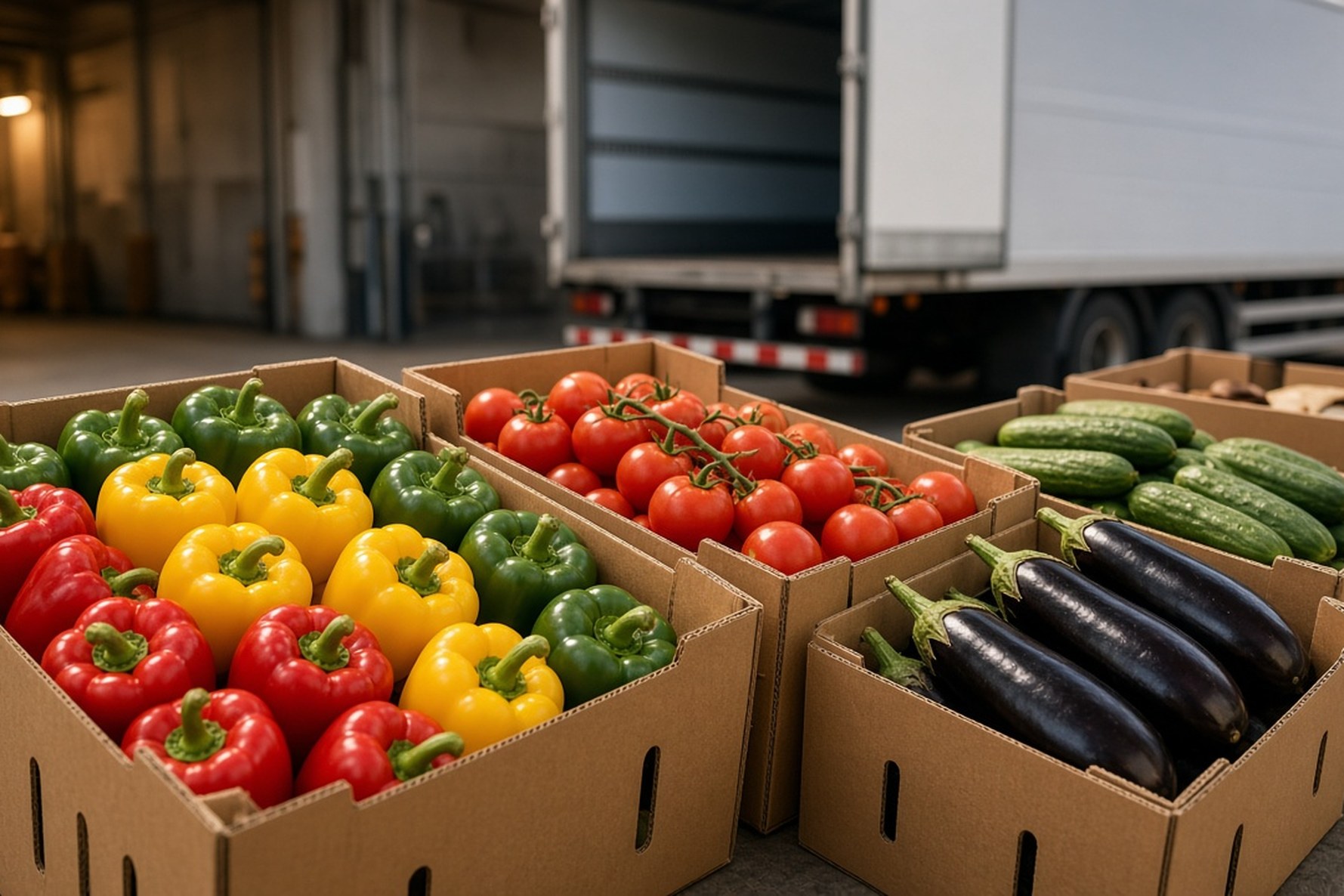
Greenhouse bell pepper, tomato, cucumber and aubergine lead export value lines. Pepper carries more value per kilo and justifies refrigerated sorting. Tomato is large but competitive — Iraq imported about USD 37.6 million of fresh tomato from Iran in 2024. Cucumber suits shorter lanes; Iraq exceeded USD 10 million on fresh cucumber imports. Onion and potato store longer but freight weighs heavily on delivered price.
3. Основные экспортные рынки
| Market | Products | Iran edge | Key note |
|---|---|---|---|
| Iraq | Tomato, cucumber, onion | Land distance | Price & regular supply |
| Russia | Pepper, aubergine, tomato | Winter supply | MRL & traceability |
| UAE/Oman/Qatar | Tomato, pepper, herbs | Short sea | Appearance & pack |
| Caucasus & Central Asia | Cucumber, potato | Road freight | Seasonal windows |
Iraq is a large near market with fierce price competition but fast delivery. Russia expects documentation from greenhouse to carton and strict residue control. Gulf retail competes with India, Pakistan, Turkey and Jordan — clean cartons, uniformity and traceability matter.
4. Техническая спецификация заказа
| Parameter | Example | Why |
|---|---|---|
| Commercial type | Round tomato, greenhouse cucumber | Avoid disputes |
| Size/colour | Diameter, length, colour cover | Uniformity |
| Ripeness/firmness | Mature green, firm | Shelf life |
| MRL | Destination rules | Clearance |
| Pack/loading temp | Vented carton, logged °C | Quality |
“Export grade” without numbers is not a contract. Approved samples must be contract-linked to each shipment specification.
5. Оценка качества и остатки пестицидов
Quality combines appearance, texture, soundness and remaining life. Carton uniformity, skin integrity, firmness, natural odour and MRL testing against destination limits — not a generic list — are critical in strict markets.
In the EU, Regulation 396/2005 frames MRLs; where no limit exists, the default 0.01 mg/kg often applies. Codex CXC 53-2003 stresses microbiological, chemical and physical hazards for fresh produce.
6. Коды HS и торговые стандарты
| Product | HS |
|---|---|
| Fresh potato | 0701 |
| Tomato | 0702 |
| Onion & garlic | 0703 |
| Cucumber | 0707 |
| Aubergine | 070930 |
| Capsicum pepper | 070960 |
| Other fresh vegetables | 0709 |
UNECE standards such as FFV-15 (cucumber), FFV-25 (onion), FFV-28 (sweet pepper) and FFV-36 (tomato) define trade quality. Export files typically include invoice, packing list, certificate of origin, transport documents, customs declaration and phytosanitary certificate when required.
7. Экспортная упаковка
Packs must protect mechanically, ventilate and preserve appearance. Tomatoes: low cartons and trays reducing vertical pressure. Cucumbers: vents for respiratory heat without over-packing. Peppers: colour and size separation. Aubergines: liners for glossy skin. Onions and potatoes: mesh or vented bulk packs after curing / away from light.
8. Холодовая цепь и перевозка
| Product | Conditions | Note |
|---|---|---|
| Mature-green tomato | 12.5–15°C | Too cold disrupts ripening |
| Cucumber | 10–12.5°C, ~95% RH | Chilling injury below range |
| Bell pepper | ~7.5°C | Water loss reduces firmness |
| Aubergine | 10–12°C | Chill sensitive |
| Cured onion | Near 0°C, 65–70% RH | After curing |
| Table potato | ~7°C | Depends on end use |
A common mistake is one refrigerated temperature for all lines. Loading warm fruit into a cold truck or blocking air channels with pallets or plastic creates hot spots. Mixed loads only combine products with similar thermal needs.
9. Экспортное ценообразование
Pricing is seasonal and must be quoted per specification, date, volume and delivery point: farm price, sorting, waste, pack, tests, pre-cooling, freight and Incoterms. Two offers with only per-kilo price are not comparable if pepper colour, defect allowance, carton weight or delivery point differ.
10. Чек-лист импортёра (15 пунктов)
Before confirming Iranian vegetable purchases, document:
- Define the exact product name and commercial type required.
- State size, weight or dimensional range in the contract.
- Specify colour and ripeness stage at loading.
- Obtain a real sample from the supply you will contract.
- Set acceptance limits for cracks, scratches, misshape, softness and other defects.
- Define pesticide residue testing aligned with the destination country.
- Verify production site, greenhouse or farm and traceability.
- Confirm net pack weight and cartons per pallet.
- Review pack material, strength and ventilation before bulk orders.
- Record product temperature at loading and set-point in transit instructions.
- State typical harvest-to-loading time.
- Check the supplier’s capacity for consecutive loads.
- Finalize customs and quarantine documents before final loading.
- Write destination accept/reject criteria in the contract.
- Define delivery terms, carriage responsibility, insurance and risk transfer point.
11. Данные для коммерческого запроса
- Product name, commercial type and colour
- Size, ripeness, quality level and defect tolerance
- Pack type and net weight
- Volume and loads per week/month
- Country, city/border/port and transport mode
- Pallet need, transit temperature, tests and MRL
- First loading date
12. Поставка через Iranco
Iranco connects purchase requests, product definition, supply options, samples and export pack coordination. Pre-harvest alignment of harvest, sort, pack and loading to the destination market delivers more stable quality than buying from the daily spot market.
Частые вопросы
Which Iranian vegetables have the greatest export potential?
Greenhouse bell pepper, tomato, cucumber and aubergine; onion and potato for volume trade. Choice depends on destination.
What is the most important export market?
Iraq is a key volume market; Russia matters for greenhouse lines; Oman, UAE, Qatar and Central Asia vary by product and season.
Why is bell pepper attractive for export?
Higher value per kilo, colour sorting and justified refrigerated haulage.
Which test matters most?
Destination-aligned MRL panels; plus appearance, decay, size, firmness and traceability.
Must everything move refrigerated?
Temperature control matters on multi-day lanes but set-points differ by product.
What is suitable packaging?
Strong vented cartons for greenhouse lines; mesh/bulk for onion and potato — confirm weight and wet strength.
What drives price?
Season, quality, pack, waste, freight, destination and delivery terms — compare only with identical specs.
What is needed for bulk buying?
Product, size, ripeness, volume, pack, delivery, transport and tests — plus weekly/monthly programmes for repeat orders.
Итог
Устойчивый экспорт сосредоточен в ценных тепличных линиях и объёмных культурах с длительным хранением; будущее за измеримыми и прослеживаемыми спецификациями.
Избранное Продуктs


Related Статьи



