 Iranco Magazine Team
From botanical origin and distillation to aroma, purity, packaging, QC and the right product for home, confectionery, beverages and bulk buying
Rose water · Bidmeshk · QC · Wholesale
What Are Rose Water and Bidmeshk Distillate? Properties, Uses and Selection Tips
From botanical origin and distillation to aroma, purity, packaging, quality control and choosing the right product for home use, confectionery, beverages and bulk buying.
Rose water and bidmeshk (willow catkin distillate) look simple: clear, fragrant liquids from flowers or catkins. In practice, two bottles with similar labels can differ enormously in raw material, distillation, storage and packaging.
A study of commercial Iranian rose water found phenylethyl alcohol, geraniol and beta-citronellol among key volatiles in many samples — laboratory analysis matters for detecting adulteration and compositional differences.
1. What exactly are rose water and bidmeshk?
Both are aqueous plant distillates, but starting material, aroma profile and sensory character differ.
How is rose water made?
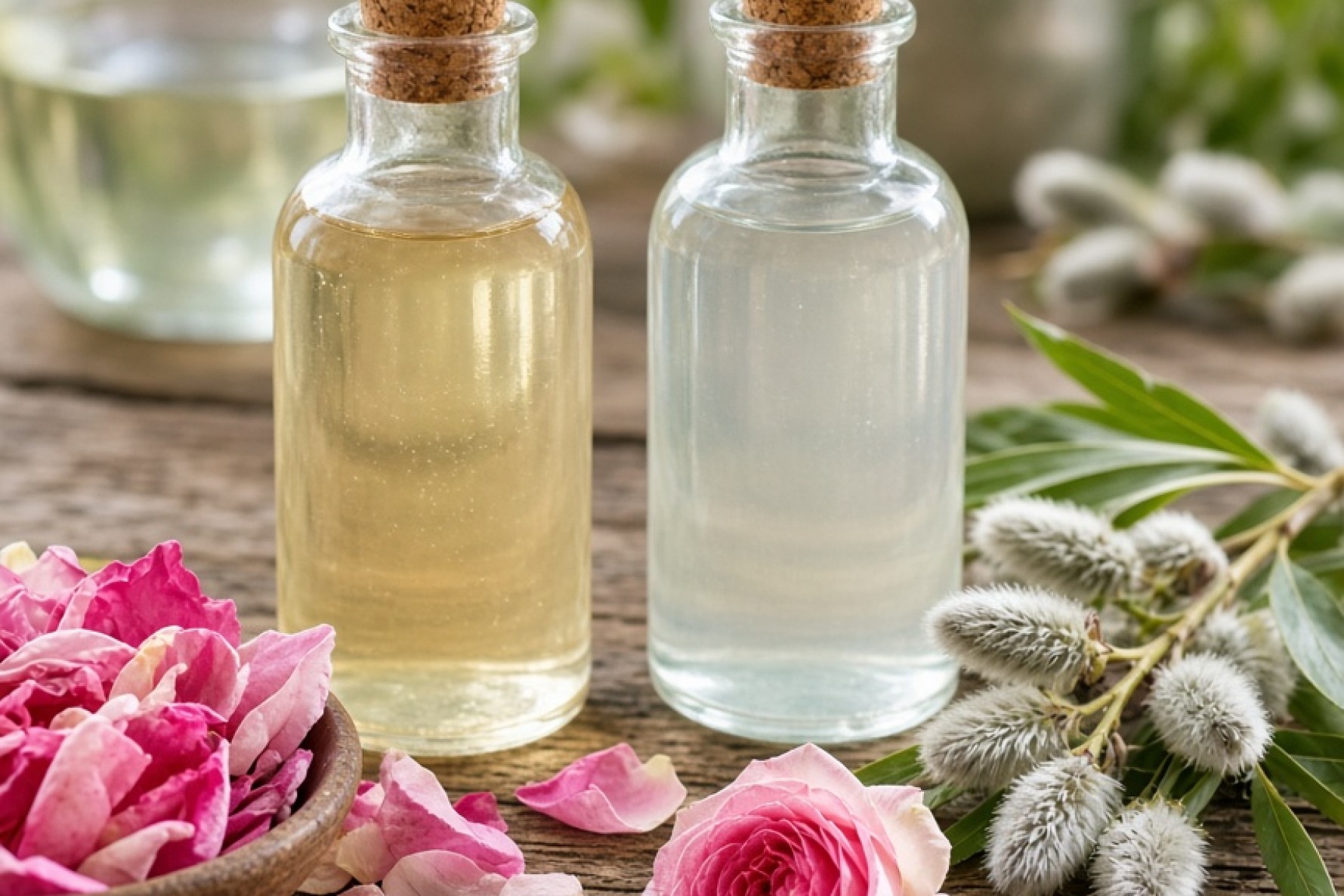
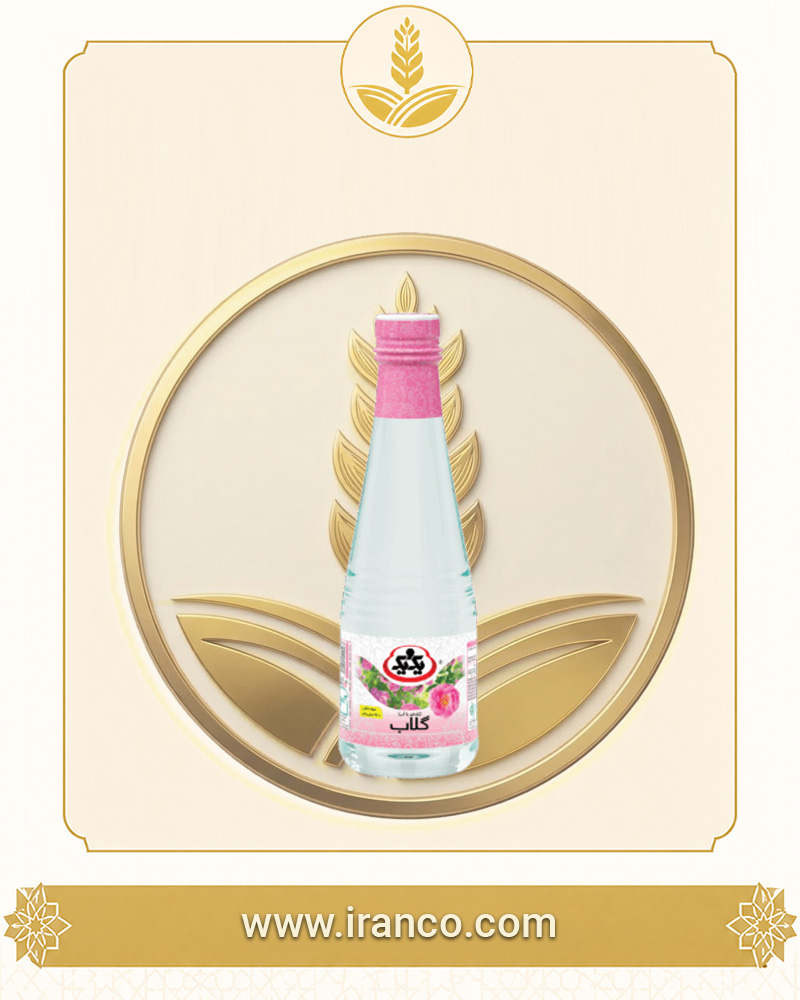
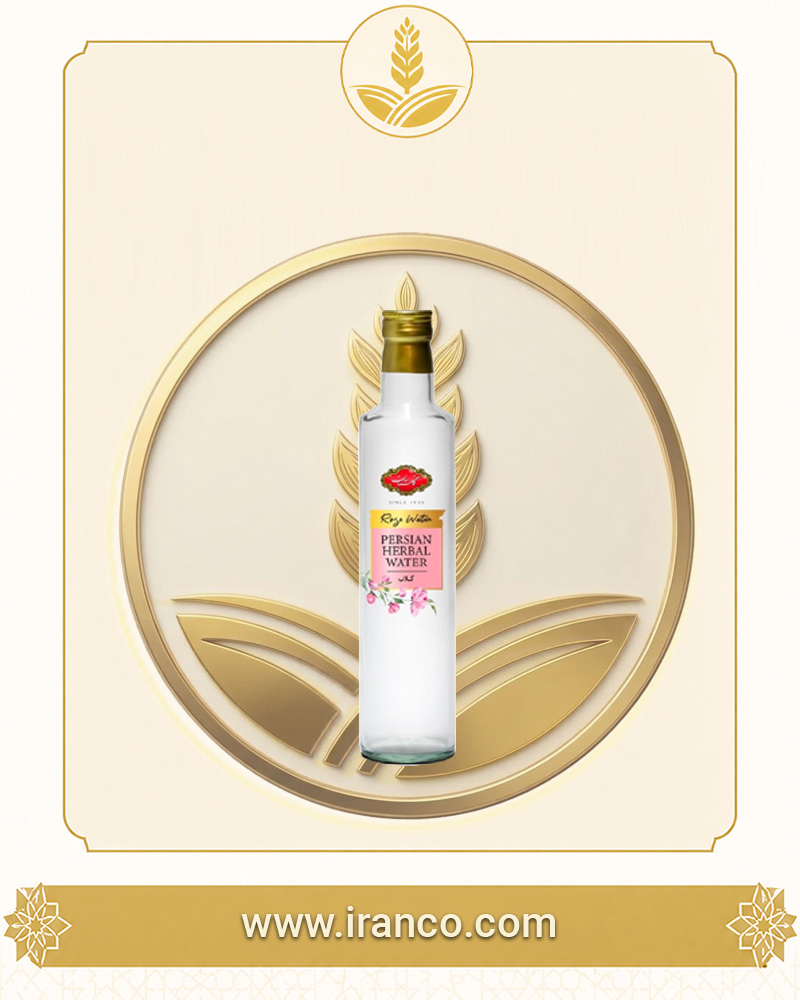
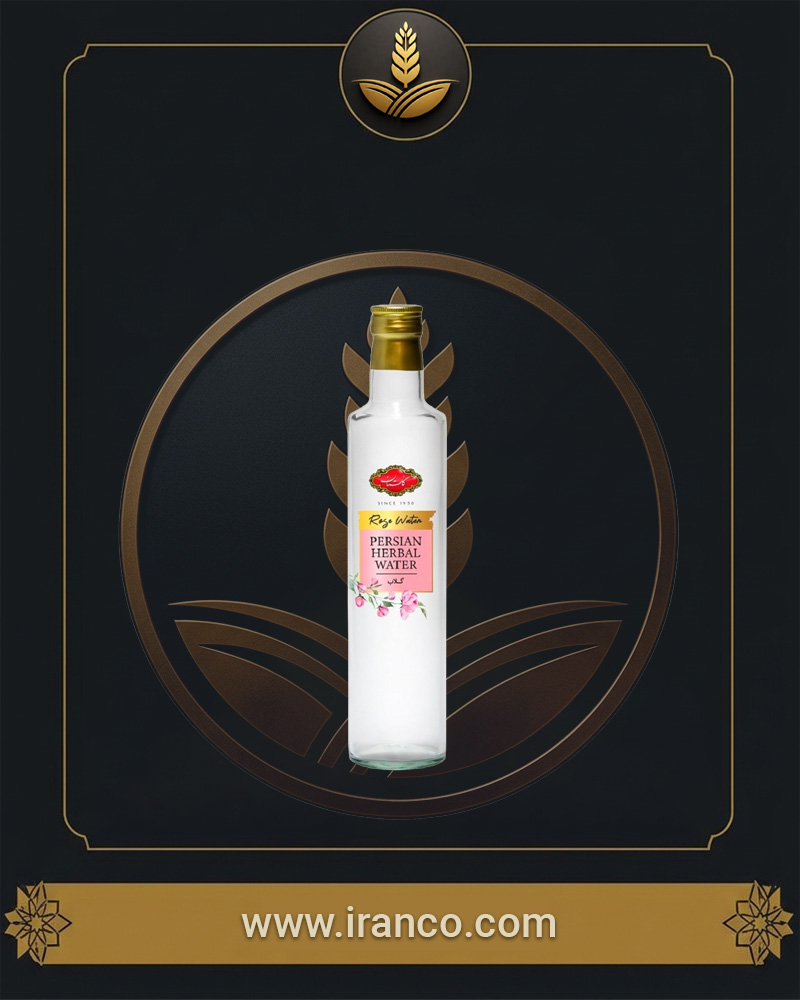
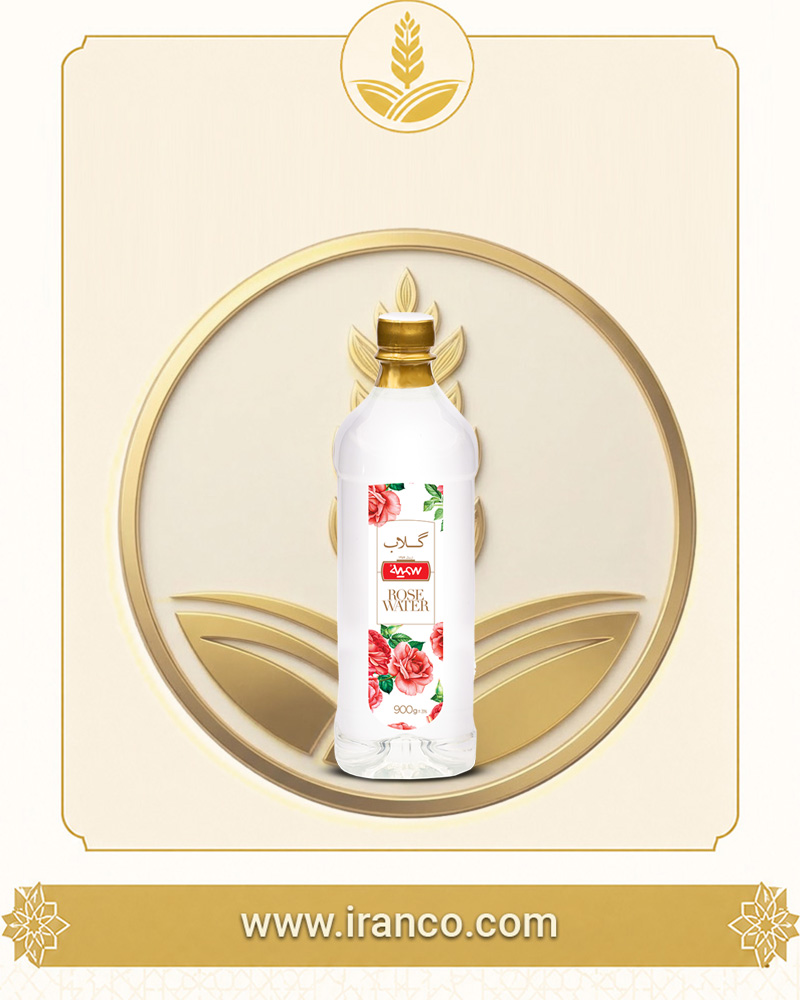
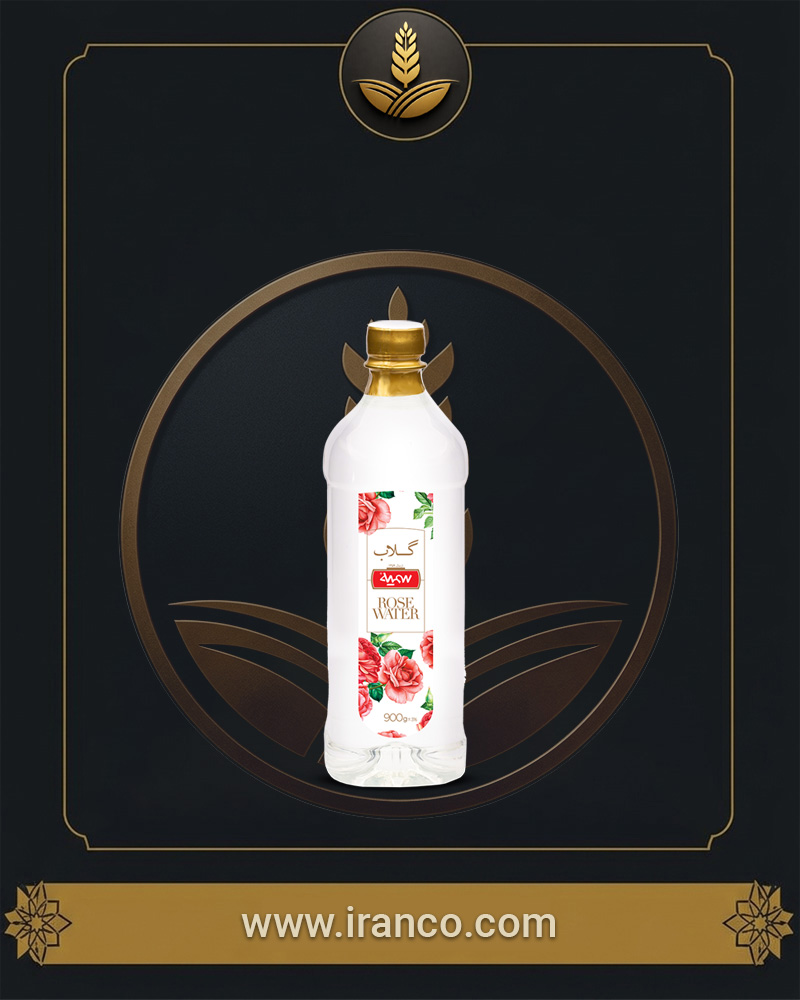
Rose water comes from distilling damask rose (Rosa damascena) with water. It is not the same as rose essential oil: rose water is mostly water carrying a small fraction of aroma compounds. Adding a few drops of essence to water does not replicate true distilled rose water.
What is bidmeshk?
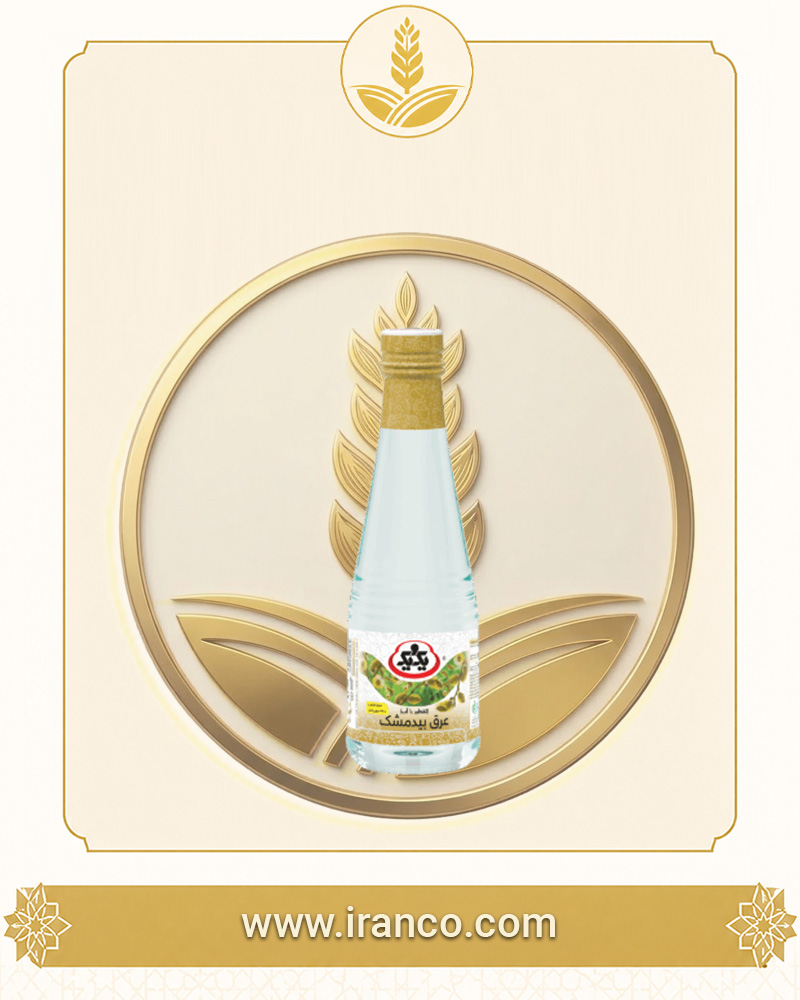
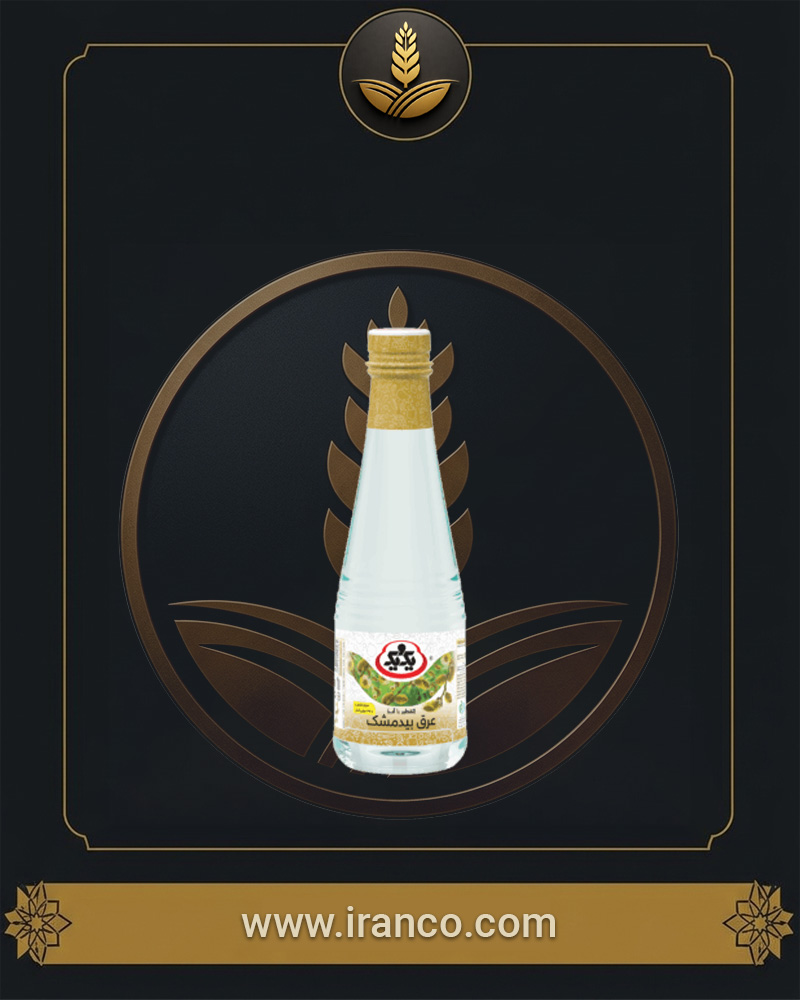
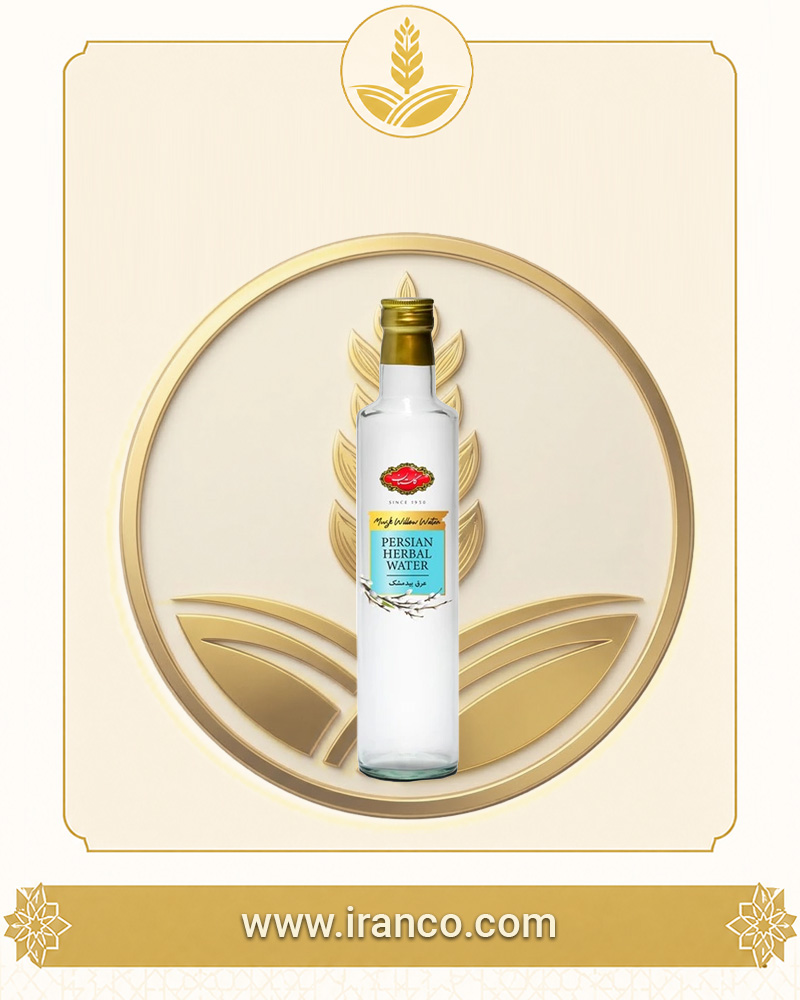
Bidmeshk is distilled from aromatic willow catkins, especially Salix aegyptiaca in Iranian literature. Its scent is softer and more herbal than rose water.
| Product | Process | Aroma level | Typical use |
|---|---|---|---|
| Rose water / herbal distillate | Distillation, aqueous phase | Low to medium | Drinks, sweets, food |
| Essence / essential oil | Oily volatile fraction | Very high | Industrial flavouring |
| Extract | Water, alcohol or solvent | Method-dependent | Food, research, cosmetic |
2. How raw materials affect final quality
- Fresh flowers or catkins and short time to distillation
- Visual quality: no mould, soil contamination or severe bruising
- Water quality — water is the bulk of the finished product
Poor raw material cannot be fixed by adding essence or boosting smell. For industrial buyers, water source and control matter more than labels like “traditional” or “premium”.
3. Scent, taste and applications compared
| Criterion | Rose water | Bidmeshk |
|---|---|---|
| Raw material | Damask rose | Willow catkins |
| Aroma character | Floral, familiar | Floral-herbal |
| Confectionery | Very common | Noghl and some sweets |
| Syrups | Very common | Very common |
| Desserts | Sholeh zard, halva, fereni | Drinks and traditional items |
In pastry, stronger smell is not always better. Professionals need repeatable aroma, no sour or artificial notes, and batch-to-batch stability.
4. Traits of good rose water
- Appearance: clear; unusual haze or sediment needs review
- Scent: true rose-like; no solvent, fermentation or stale notes
- Taste: balanced; no odd sweetness or acidity
- Volatiles: phenylethyl alcohol, geraniol and beta-citronellol are common in Iranian samples
5. Choosing quality bidmeshk
- Compare samples in identical blind containers
- Evaluate scent at the same temperature
- Test in the real application (e.g. syrup)
- Check aroma after several hours, not only at mixing
6. Purity, fraud and QC — smell is not enough
“Purity” must be measurable: over-dilution, synthetic aromatics, foreign essences, uncontrolled blending and poor packaging are common quality risks.
| Test | Purpose |
|---|---|
| Sensory panel | Scent, taste, clarity |
| pH | Batch stability |
| Microbiology | Safety and hygiene |
| Gas chromatography | Volatile profile and fraud |
| Methanol / ethanol | Alcohol control |
| Batch traceability | Production and raw-material tracking |
7. Packaging role
Glass suits premium retail but is heavy and fragile. Food-grade PET is economical but resin quality and seals matter. Bulk gallons suit factories. Specify material, volume, cap, seal, units per case and pallet pattern in contracts — not just “1 L bottle”.
8. Food industry uses
- Beverages: compatibility with sweeteners, acids, saffron and pasteurisation
- Confectionery: aroma stability beats peak intensity
- Ice cream and desserts: fat and cold reduce perceived scent
- Blends: set aroma ratios in lab before scaling up
9. Systematic market selection
- Define end use (retail, pastry, syrup, industrial)
- Check labels: producer, volume, dates, batch, licences
- Blind sensory comparison in identical vessels
- Trial in real formula with fixed dose
- Compare cost by performance, not price per litre alone
10–12. Pricing, bulk checklist and sourcing from Iran
Price depends on raw material, aroma strength, process, packaging, order size, QC and logistics. Bulk buyers should specify product name, food-grade status, expected sensory profile, tests, container specs, batch codes, shelf life and rejection rules before quoting. Iranco can match supply options to your product, volume, packaging and destination once specifications are clear.
FAQ
Is rose water the same as rose essence?
No. Rose water is mainly the aqueous distillate; essence is a far more concentrated oil fraction with a different composition.
Is stronger smell always better?
No. Intensity can mean concentration or added aromatics. Natural balance, batch stability and lab results are safer for bulk buying.
What is double-distilled (do-atasheh) rose water?
Usually a second distillation pass for a more aromatic product — but the label alone is not proof of quality.
What foods suit bidmeshk?
Traditional syrups, some sweets and especially noghl. Always trial in your real formula.
How to source bulk from Iran?
Define product, use, volume, pack, QC and destination; receive samples and test in application.
Featured Products
Related Articles



