 Iranco Magazine Team
Northern Iran food hub: processing infrastructure, Caspian trade and B2B supply guide
B2B Wholesale · Caspian Northern Belt
Northern Iran Food Industry Hub: Processing Infrastructure, Caspian Trade & B2B Supply Guide
Northern Iran — especially the southern Caspian littoral — offers major agricultural and food-processing advantages. Humid, fertile climate with adequate rainfall supports rice (Tarom and Hashemi), black tea, citrus (orange, tangerine, kiwi), oilseeds (soybean and rapeseed), olives and caviar. Proximity to Anzali, Amirabad and Caspian ports plus the Incheh Borun rail gateway connects the north to Eurasia’s ~300 million consumer market.
1. Northern belt climate & strategic advantages
From Golestan to Gilan, spring–summer rainfall and loamy soils enable diverse crops. In the Alborz foothills and Caspian plain: rice, tea, citrus orchards, oilseeds and sturgeon farming thrive. Anzali and Amirabad ports and the Caspian port development project provide reliable export routes for farm and processed goods.
- Gilan & Mazandaran: share of national sugar (Gilan sugarcane), one-third of northern citrus, ~25% of ocean catch and over 20% of dairy output
- North–South corridor: northern rail links to CIS/Eurasia — cost/time savings and durable trade ties with Russia and the Eurasian zone
- Infrastructure: CA cold stores, export terminals with automated citrus/kiwi sorting, rail/port connections
2. Processing industries across three provinces
Mazandaran: dairy, citrus & rice hub
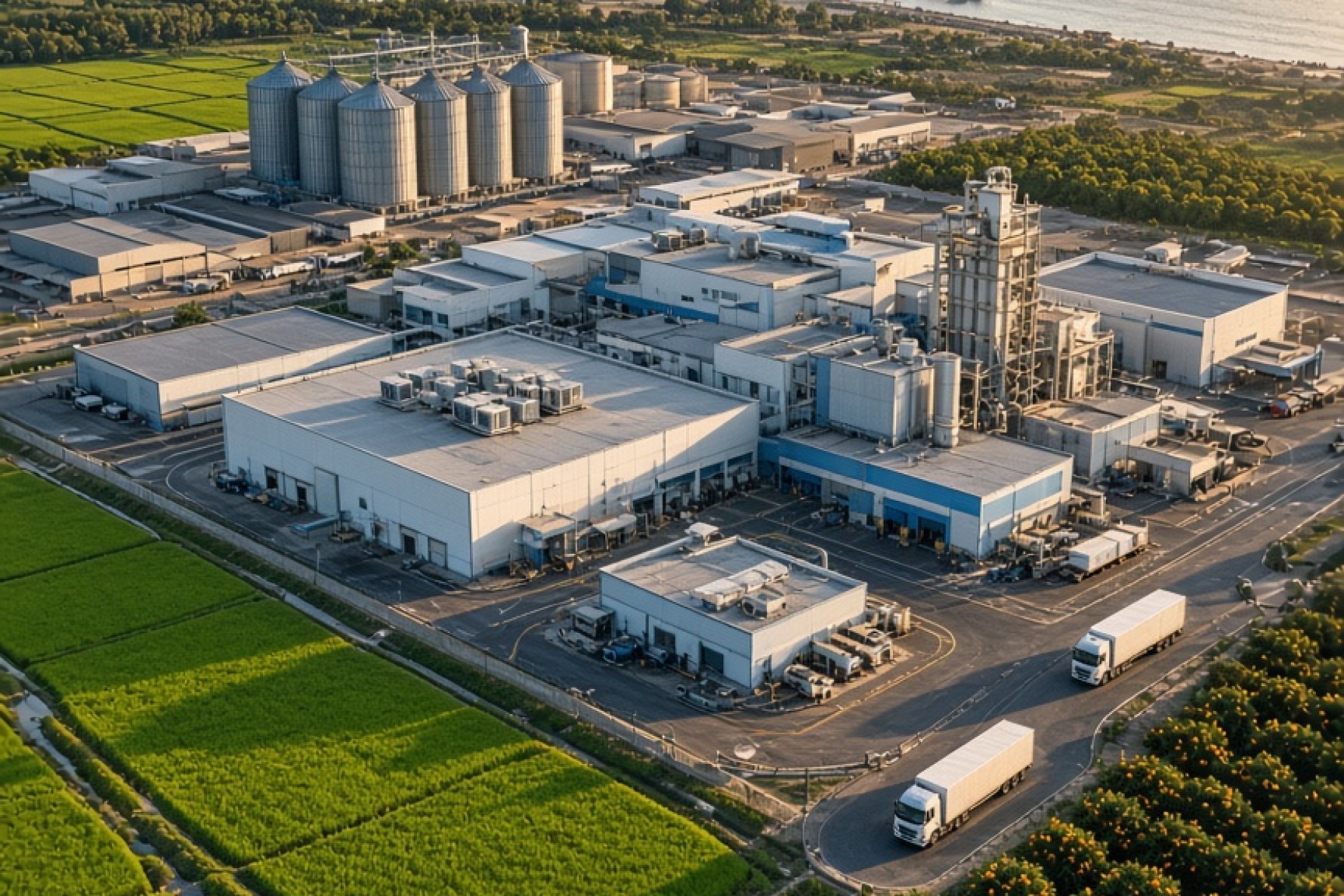
Mazandaran Food Industries Association data show consolidation from 510 plants in 10 branches to about 180 active units. Nominal capacity ~8 Mt/year but actual output ~3 Mt (~35%). ~20% of national milk is processed here; over 90% in Amol County — the province’s dairy capital. Kalleh and Pegah lead milk, yogurt and cheese production.
Citrus concentrate and essence plants operate in Babol and Nowshahr. Poultry slaughter chains in Amol/Babol and mechanised Tarom rice mills are key. Industrial parks in Amol, Babol and Sari host ~40% of plants. Mazandaran’s ~30% share of national non-oil exports signals strong export potential.
Gilan: tea, olive & rice
Core processing is black tea in Lahijan and Fuman. ~9,150 ha of olive groves support 7 active crushing plants producing ~5,000 t/year olive oil (nominal ~8,000 t). Brands such as Rodbar Sabz and Talay-e Sabz crush locally. Rice mills in Shaft, Rudsar and Amlash handle local varieties (e.g. Domsiah Rudsar). Sturgeon farms in Rudsar and Gorganrud are export-oriented.
Golestan: crushing & grain storage
Golestan Soybean Co. crushes ~180,000 t/year of soy/rapeseed. Seven state silos store 260,000 t wheat (focused east, Bandar Torkaman). ~126 rice mills dry 16,000 t paddy/season with potential to convert up to 480,000 t/year with working capital. Feed complexes such as Gorgan va Dasht serve the livestock sector.
3. Food cluster matrix, segments & export capability
| Province | Cluster / segment | Approx. capacity | Brands / companies | Transit facilities |
|---|---|---|---|---|
| Mazandaran | Dairy, citrus concentrate, rice milling, poultry | ~3 Mt current output | Kalleh, Pegah, Doshe, Marjan | Amirabad port, Incheh Borun, main rail |
| Gilan | Tea, olive oil, rice, caviar | Tens of thousands t (rice/tea); 5,000 t olive oil | Refah Lahijan, Alborz Tea, Rodbar Sabz | Anzali (Caspian) port, road transit |
| Golestan | Soy/rapeseed crushing, feed, rice milling | ~180k t oilseeds; 260k t silo | Golestan Soybean, Ghanecheh, Gorgan va Dasht | Amirabad, Incheh Borun (Turkmenistan transit) |
4. CA cold stores & export terminals
Northern Iran operates advanced controlled atmosphere (CA) cold stores for long-term citrus holding. CO₂ and N₂ injection slows respiration and preserves appearance. Sorting lines with vision cameras and wax polish grade fruit by colour, size and defects — cooperatives in Nowshahr and Babol after autumn harvest.
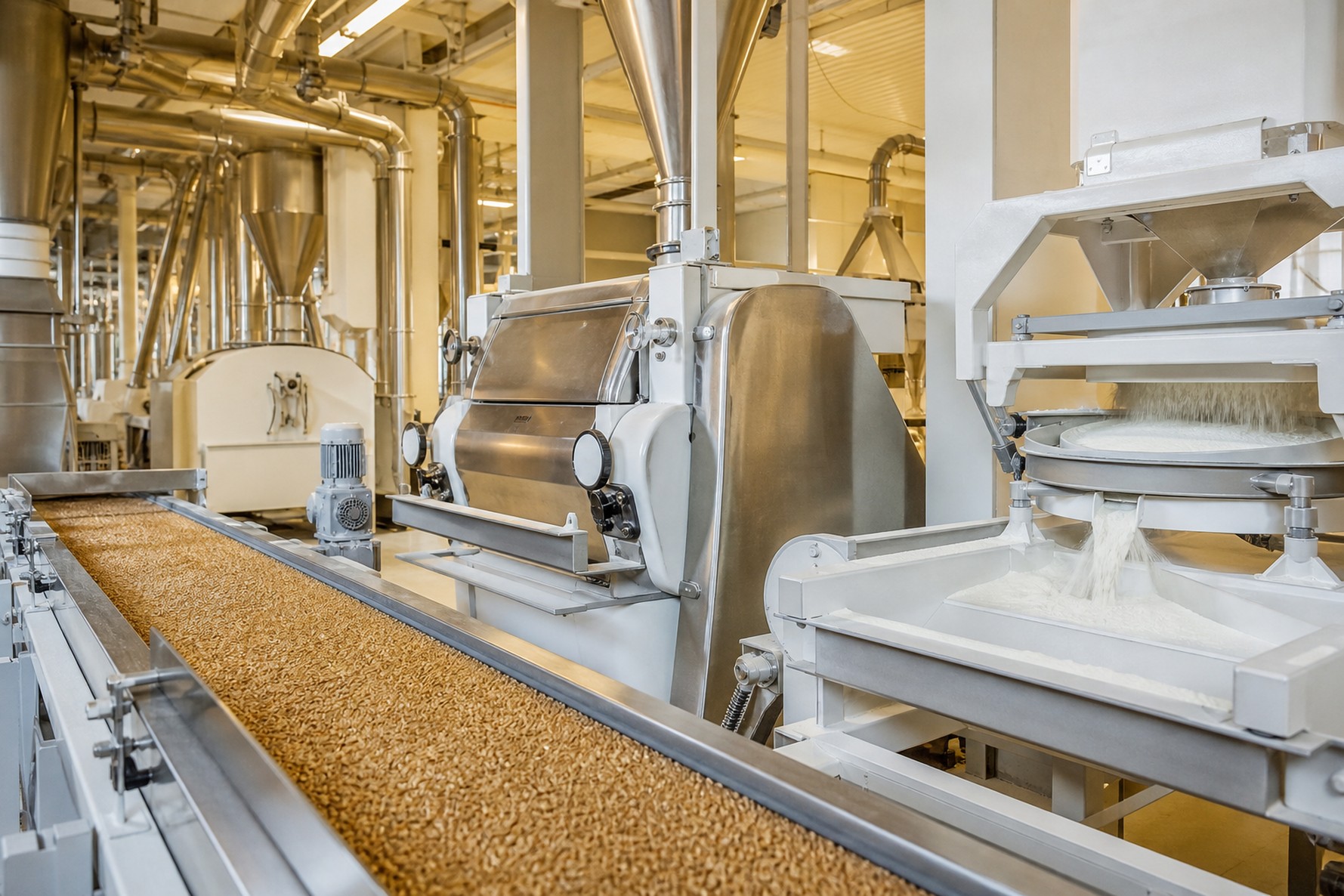
Modern rice mills use oscillating screens, water polishers and sortex for uniform head rice. Cold stores and grain silos load export cargo 24/7 via western (Anzali) and eastern (Amirabad) ports.
5. Quarantine, phytosanitary & CIS market standards
- Phytosanitary Certificate from Iran Plant Protection Organization
- Declaration of Conformity under Eurasian Economic Union rules — often obtained by Russian importer
- Residue testing for organophosphates, mycotoxins (aflatoxin) and heavy metals at accredited labs
- Test reports in Russian with shipment; ISPM 15 heat-treated wooden pallets mandatory
6. Seasonal raw-material gaps & supply strategies
- Forward/pre-purchase contracts with farmers at guaranteed prices
- Guaranteed raw-milk purchase schemes for Mazandaran dairies with working-capital facilities
- Provincial cooperative production and private warehousing networks
- Risk-sharing contracts for strategic oilseed planting
7. Wholesale buyer FAQ
1. How to verify milled rice purity?
Check grain colour/clarity, quick soak test (cloudy aromatic water), factory spec sheet (operating licence) and buy from accredited northern mills via Iranco.
2. Bulk northern orange concentrate
Define Brix, orange type and purity; contact Nowshahr/Babol plants; industrial tanker packing; prepayment or L/C; FOB warehouse or Amirabad port.
3. Container charter at Anzali port
Anzali suits high-volume containers (limited draft for large ocean vessels). CIS charters typically need 50–100 containers; book months ahead via Caspian forwarders.
4. B2B credit settlement
20–30% advance; balance via L/C or bank guarantee on staggered delivery; proforma invoice, packing list and health/standard certificates for banks.
8. Price enquiry & northern supply network on Iranco
Iranco offers online price enquiry: register, submit product type (rice, tea, citrus, dairy), tonnage and delivery point — routed to selected plants. Official proforma with EXW or port-delivered pricing follows. The e-catalog lists brands and capacities for direct factory sourcing without intermediaries.
Related Articles



