 Iranco Magazine Team
From dairy and confectionery to grains, canned goods, beverages, oil and sugar — a B2B map of flagship plants and wholesale cooperation
B2B Atlas · Food Industry · Supply Chain
Iran’s Large Food Factories: Flagship Groups, Production Hubs & the Food Supply Chain
A professional map of Iran’s major dairy, confectionery, cereal, canned-goods, beverage, edible-oil, meat, sugar and spice producers — for wholesalers, distributors and industrial buyers who need more than brand names.
Behind every carton of milk, tin of tomato paste, bottle of oil or pack of pasta sits a network of farmers, livestock producers, factories, laboratories and logistics companies. Iran’s food industry is the result of that linkage — an industry that turns farm and dairy raw materials into products that can be stored, distributed and consumed. Large factories do more than feed daily demand: they shape agricultural offtake markets and create downstream demand for packaging, machinery, cold storage and trade.
Knowing Iran’s major food factories is not the same as memorising a few brand names. To understand each group you need its specialisation, product mix, plant locations, supplier relationships and how it shows up in the market. A dairy plant runs on daily raw-milk intake; a paste plant is tied to the tomato harvest season; a chocolate maker manages ingredients and packaging alongside formulation skill.
From Kalleh, Mihan and Pegah in dairy to Shirin Asal, Minoo, Aidin and Shoniz in sweets and chocolate; from Zar Macaron and Tak Macaron in cereal products to Mahram, Behrooz, Yek-o-Yek and Sahar in canned goods — each group represents part of this wide structure. Placing those names alongside edible-oil, beverage, meat and industrial-ingredient producers gives a clear picture of Iran’s food manufacturing capacity. Platforms such as Iranco help B2B buyers turn that map into wholesale inquiries and supplier matching.
What Counts as a Large Food Factory?
Scale is not measured by land area or headcount alone. Production volume, continuity of operations, distribution reach, line diversity, raw-material holding capacity and role in market supply all matter. A specialised starch plant may be unfamiliar to end consumers yet supply several food industries. Conversely, a famous brand may ship products from several different factories.
There is also a clear distinction among industrial group, manufacturing company, plant and brand. An industrial group comprises several companies. The manufacturing company owns the commercial and production activity. The plant is the physical production site. The brand is the name the buyer sees on the pack. Understanding Pegah, for example, requires attention to its network of dairy companies; understanding Sun Ich requires knowing Alifard and its production units.
In this article, major groups and flagship plants are introduced by sector. The order is not a sales or capacity ranking — it is a path through the main pillars of the food industry. That approach makes same-sector comparison easier and clarifies the difference between consumer goods, agricultural processing and industrial ingredient supply.
Large Dairy & Ice Cream Factories
Dairy is one of the clearest examples of continuous production in the food industry. Raw milk must be collected, transported, tested and processed on time. After production, many SKUs still need cold storage and chilled distribution. That is why a dairy group’s strength shows in the coordination of milk intake, production lines, cold rooms and sales networks. Product diversity also lets the plant convert milk intake into different SKUs according to market demand.
Kalleh — Industrial-Scale Product Diversity
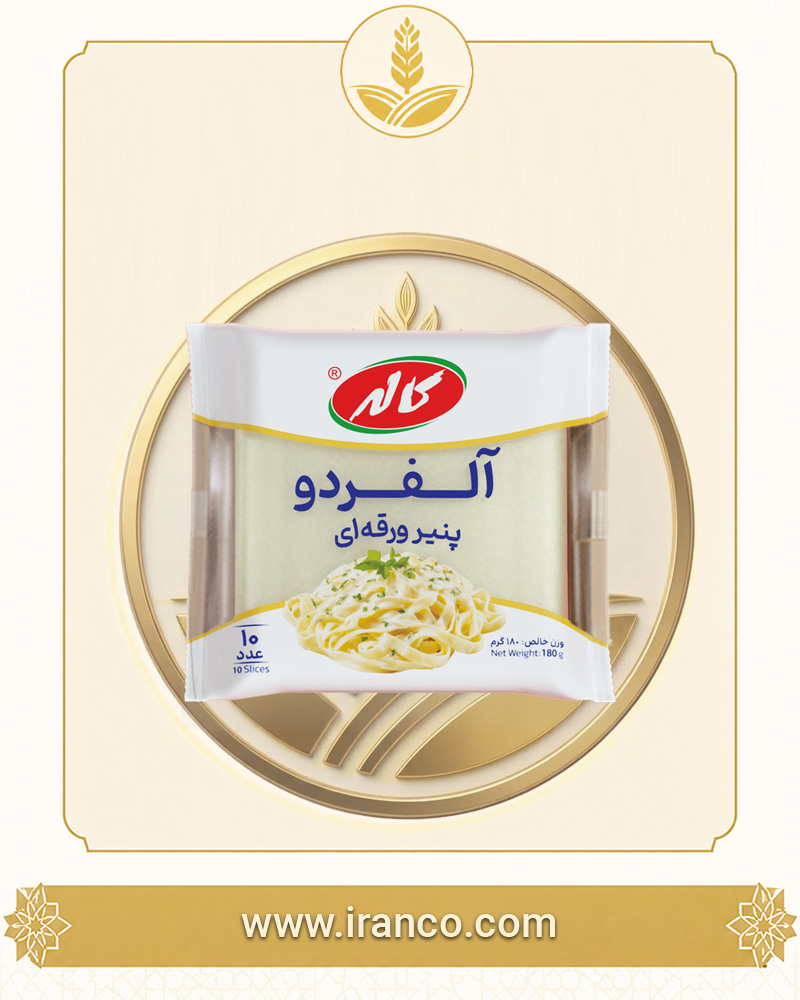
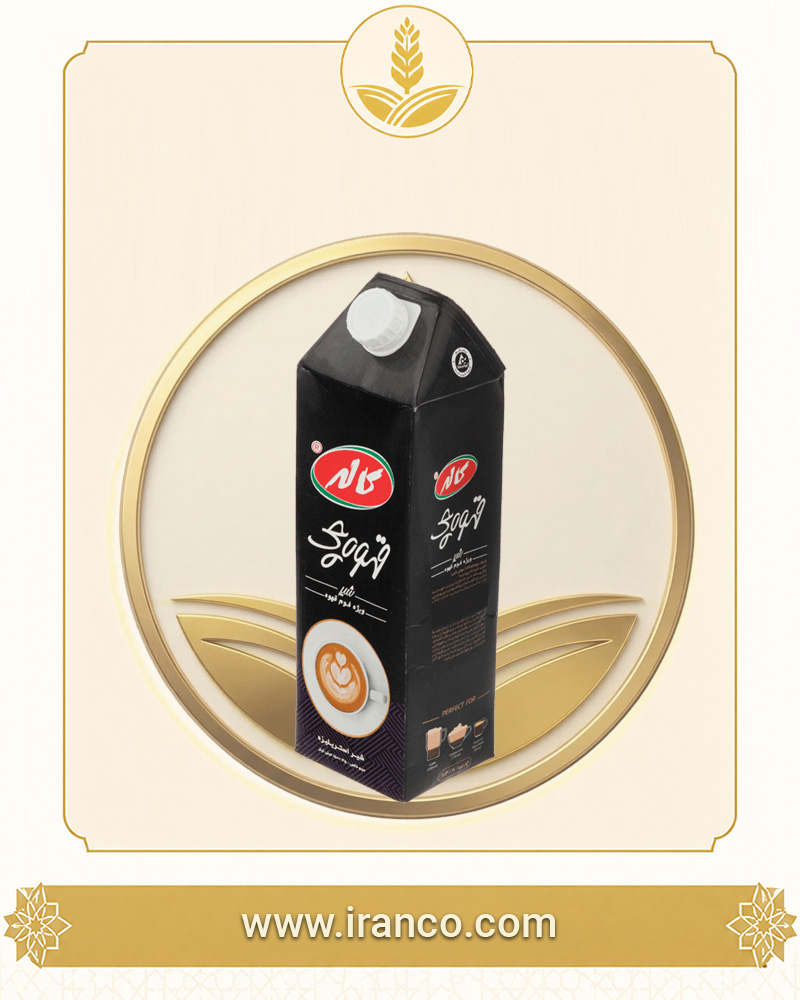
Kalleh is a flagship name in Iranian dairy and is linked to the Solico Group. Amol holds a central place in understanding its industrial origin. Milk, yogurt, doogh, cream, cheese and a wide dairy range form the core of its identity. Cheese diversity has also made Kalleh familiar to both households and professional kitchens.
Studying Kalleh shows dairy beyond a few everyday SKUs. Producing cheeses with different functional profiles, pack formats and culinary uses depends on processing know-how and precise demand reading. In wholesale purchasing from this group, brand must be paired with cheese type, pack weight, storage conditions and end use — a grocery store’s need is not the same as a pizza workshop’s.
Mihan — Ice Cream, Dairy & the Cold Chain
Mihan is a well-known ice cream and dairy group in Iran. Ice cream dominates public recognition of the name, while dairy products form a substantial part of its activity. Looking at Mihan highlights the importance of production scale and retail/network access in the food industry.
Ice cream quality depends as much on transport as on production. Preserving texture, shape and uniformity requires an unbroken frozen chain. Analysis of any player in this market therefore places freezing equipment, warehouses, reefer fleets and store facilities beside the production line. For distributors, the right mix of single-serve and family packs, seasonal alignment and inventory control matter as much as purchase price.
Pegah — A Multi-Province Dairy Network
Pegah is the well-known brand of Iran Dairy Industries and rests on multiple manufacturing companies. Names such as Pegah Tehran, Pegah Isfahan, Pegah Khorasan, Pegah Fars, Pegah Golpayegan and Pegah Azerbaijan illustrate the geographic spread of this network. Milk, yogurt, doogh, cheese, cream and other dairy products sit in its familiar assortment.
The key feature of such a structure is linking regional production to different consumer markets. In commercial due diligence on Pegah, the manufacturing company behind each SKU must be identified — a shared brand does not mean identical plants. For wholesale buyers, that affects loading origin, delivery schedules and which sales unit to contact. The multi-plant network is also a clear example of how geographic dispersion supports continuous supply of everyday staples.
Pak — A Rooted Name in Industrial Dairy
Pak is one of Iran’s long-standing dairy names, known for milk, yogurt, cream and ice cream. Its position is not only about brand age; continuity in everyday household purchase and the ability to keep product flowing through the sales network also matter.
In dairy, much purchasing is repeat business. Households and stores expect the next delivery to match the last. Studying plants such as Pak therefore draws attention to production consistency, packaging uniformity and distribution discipline. For retailers, the mix of fast-moving SKUs, delivery timing and remaining shelf life are practical criteria for evaluating a partnership.
Pegah Golpayegan & Pegah Isfahan — Regional Units Matter
Pegah Golpayegan and Pegah Isfahan are examples of provincial units within Iran Dairy Industries. Studying them separately prevents Pegah from being seen only as a name on a pack. Each plant is tied to its milk catchment, factory facilities and surrounding market.
In dairy, distance between raw-milk source and plant affects collection schedules and haulage cost. That makes regional units important for farms, suppliers and institutional buyers. When comparing these companies, a specific product should be the basis of evaluation. Differences in cheese type, pack size or production plan yield more useful information than a generic brand-to-brand comparison.
Ramak — Dairy Industry Presence in Fars
Ramak is a recognised dairy name linked to Fars Province and Shiraz. Everyday dairy products — from milk and yogurt to doogh and cheese — sit in its known range. Such producers show that Iran’s dairy industry is not confined to Tehran and the north.
Analysing a southern dairy plant puts special weight on distance to consumer markets, warm-season transport conditions and distribution capacity. Wholesale buyers should weigh delivery cost and freshness alongside unit price. Product delivered on a reliable schedule with adequate remaining shelf life has more commercial value for a store than a line that only looks cheaper on the invoice.
Damdaran — Focus on the Daily Basket
Damdaran is a familiar dairy brand known for milk, yogurt, doogh, cheese and related products. These SKUs form a fixed part of household buying and their demand depends on regular store presence.
For distributors and retailers, producers such as Damdaran matter from a stock-turn angle. Everyday products must arrive on time and in pack sizes suited to the market. Family packs, single-serve units and institutional formats each have different sales patterns. Successful buying converts those differences into an order plan and avoids building up slow movers.
Haraz & Saleh — Amol’s Place in Dairy
Alongside Kalleh, Haraz and Saleh are names that appear when mapping Amol and Mazandaran dairy. Yogurt, doogh and other dairy products shape their market identity. Several recognised producers in one region reveal the importance of local supply infrastructure, skilled labour and industrial services.
That concentration also creates a market for supporting businesses. Packaging suppliers, dairy equipment technicians, reefer hauliers and laboratories face multiple customers in an active industrial cluster. For buyers, knowing the hub enables assortment and supply-plan comparison — provided comparable weight, composition and delivery terms are placed side by side.
Large Sweets, Chocolate & Biscuit Factories
Confectionery combines formulation skill, mass production, pack design and marketing. Small differences in texture, flavour, size and appearance influence choice. Some products serve everyday snacking; others are designed for hospitality and gifting. A factory serving both markets must align production, packaging and go-to-market with those different buyer behaviours.
Shirin Asal — A Diverse Group with Tabriz Roots
Shirin Asal is one of Iran’s large, well-known food groups, with origins linked to Tabriz. Biscuits, cakes, wafers, chocolate and industrial confectionery are among its recognised products. Product breadth and presence across several snack categories make it a key case for multi-product manufacturing.
Industrial strength shows in coordinating the chain from ingredients to forming and final pack. Assortment breadth is a wholesale advantage, but selection must follow real sell-through. A store whose customers seek economy snacks needs a different mix than a specialist chocolate and gift outlet.
Minoo — Multiple Plants & Product Families
Minoo is a rooted name in Iranian food manufacturing. Entities such as Industrial Pars Minoo and Minoo Khorramdareh matter for understanding the group’s production structure. Biscuits, wafers, chocolate, candy and snacks are among categories associated with the Minoo name. Products such as Saghe Talaei also hold a familiar place in consumer memory.
Understanding Minoo requires distinguishing group, manufacturing companies and product names — a split that also matters in organisational purchasing and invoice review. Established products carry market advantage: buyers already know how they are used and how they taste. Alongside that, the plant must keep packaging, weight and assortment aligned with demand.
Aidin — Specialisation in Sweets & Chocolate
Aidin is the well-known brand of Dadash Baradar and is linked to Tabriz’s sweets and chocolate hub. Chocolate, toffee, candy and other confectionery sit in its recognised domains. The group is an example of turning production specialisation into lasting commercial identity.
In chocolate and confectionery, pack choice tracks occasion of use. Office hospitality packs, family packs and gift boxes differ in layout, appearance and price sensitivity. For wholesalers, knowing those differences guides assortment. Storage and transport must also match product sensitivity so appearance and texture hold until sale.
Shoniz — Breadth in Sweet Snacks
Shoniz is a recognised Iranian sweets and chocolate name associated with Dadashzadeh. Chocolate, wafers, biscuits and other sweet snacks sit in its known range. Its presence in Tabriz further underlines the city’s role in industrial confectionery.
Competition here is not only about taste. Ease of opening, suitable size, freshness retention and product appearance also drive repeat purchase. Stores must distinguish impulse SKUs from family purchases, and set shelf layout and order depth by visit pattern and sell-through speed.
Gorji — Biscuits in the Everyday Market
Gorji is a long-standing producer of biscuits and flour-based products. Biscuits sit at the centre of its identity — a category used both in households and organisational hospitality. The market depends on acceptable taste, fair pricing and consistent quality.
In commercial evaluation of biscuits, survival through transport matters greatly. Breakage rates, pack strength, net weight and sell-through by pack size should be checked. For institutional buyers, delivery discipline and piece count per pack can outweigh visual variety. Specialist plants in this field show that even a simple everyday product needs precise baking, packaging and distribution management.
Naderi & Nadi — Industrial Cake & Cookie
Naderi and Nadi are familiar names in Iran’s cake and cookie market. These products sit between traditional taste and industrial production: consumers want familiar flavour and texture, while the sales network needs suitable packaging and broad shelf readiness.
Filling quality, crumb softness, piece size and freshness at consumption all matter. For distributors, regular shipments matched to demand outperform heavy buys held for long periods. Cake and cookie also show how regional Iranian flavours become packed products and move from local markets onto shelves elsewhere.
Large Pasta, Flour & Cereal Product Factories
Cereals underpin a large share of food production. Flour, pasta, industrial bread, starch and derivatives each belong to a link in that chain. Some plants produce directly for households; others make ingredients for other industries. That distinction matters for traders: a contract for packed pasta differs in subject and criteria from a contract for industrial flour or starch.
Zar Macaron — Milling Linked to Pasta
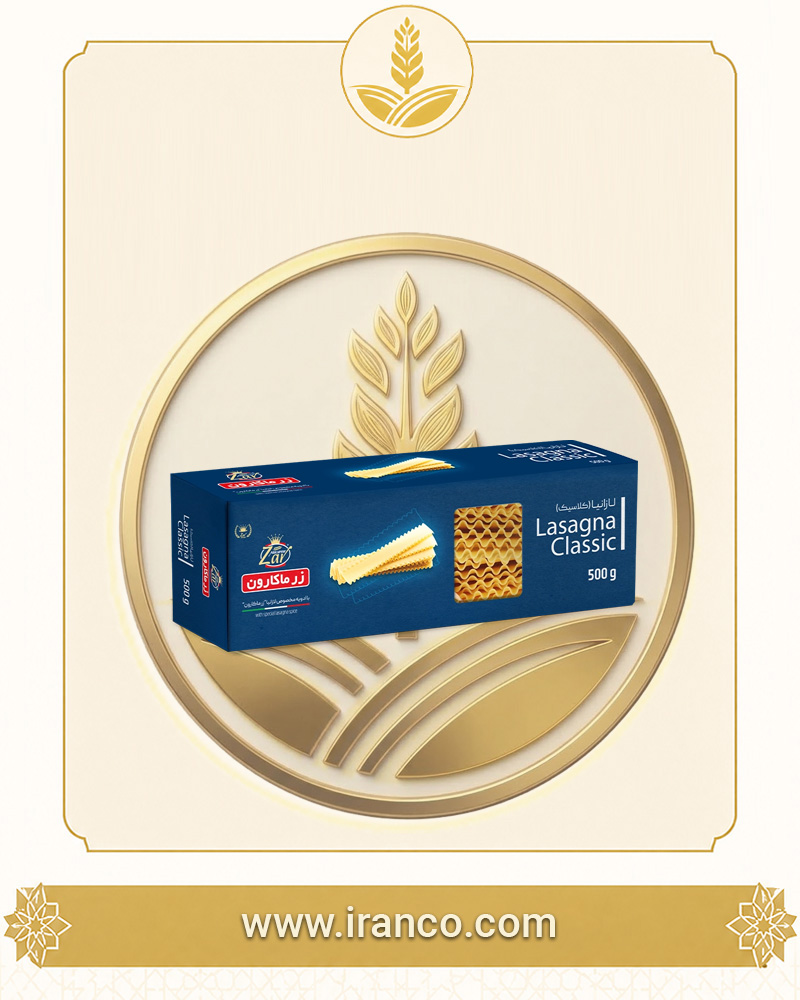
Zar Macaron is a well-known Iranian pasta producer. Spaghetti, short-cut shapes and lasagna sit in its recognised range. Within the Zar Group, the link between grain-related activities and finished products matters — it pushes pasta analysis beyond the forming line and clarifies the role of raw-material quality.
For consumers, results show at cooking: texture uniformity, shape retention and fit with preparation method. For wholesale buyers, pack strength, breakage and supply regularity matter. A pasta plant creates durable commercial value when product characteristics stay reliable across consecutive loads and shape diversity matches real demand.
Tak Macaron — Breadth in Grain-Based Products
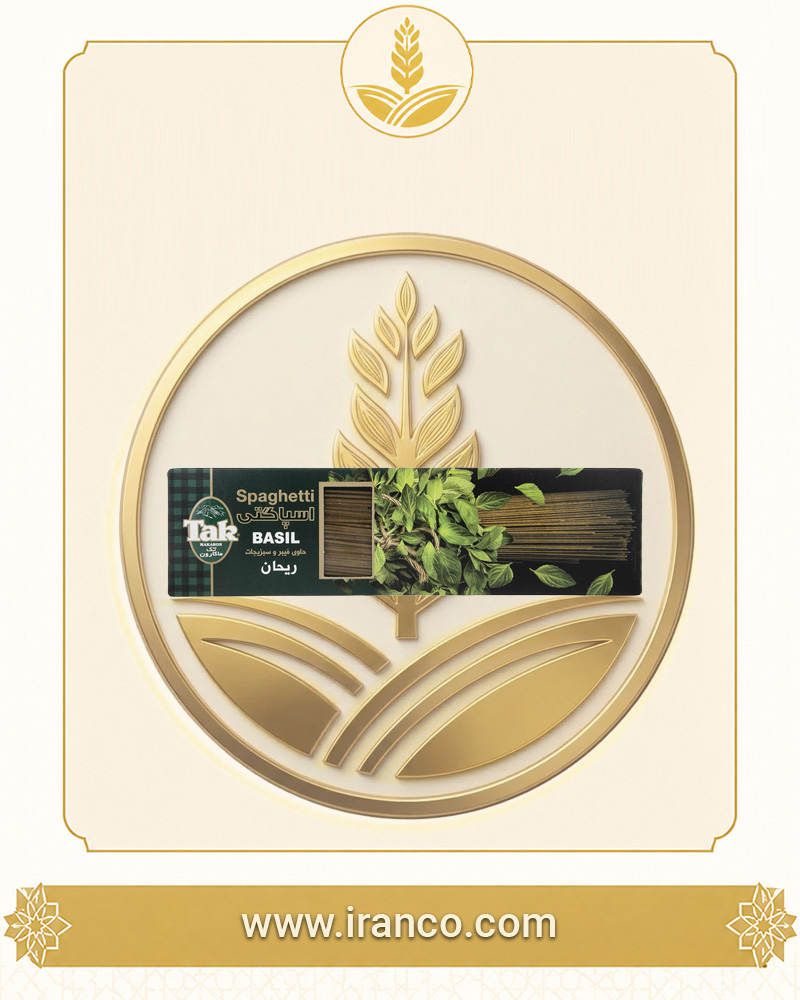
Tak Macaron is a core name in Iran’s pasta market. Spaghetti, short cuts and lasagna sit alongside categories such as cake mixes and breakfast cereals, showing the breadth of its introduced assortment. That diversity lets the plant serve several consumption occasions — from main meals to breakfast and home baking.
From a distributor’s view, assortment breadth helps only when each product group has a clear customer. Everyday pasta, lasagna and breakfast cereals do not turn at the same speed. Buying decisions should therefore be taken group by group. Supply plans for high-velocity SKUs must also stay clear so breadth does not starve core lines.
Mana — Focus on the Pasta Family
Mana is a recognised pasta name. Spaghetti, short cuts and lasagna introduce it in the consumer market. Its importance shows in specialisation and development of related products that share ingredients and part of the process, yet differ in use and taste preference.
When comparing products in this field, appearance alone is not enough. Cooking time, behaviour in the pot, pack size and price per unit weight should be weighed. For restaurants or institutional kitchens, predictable cook results matter greatly. Sampling and evaluating under real cooking methods is a sounder basis for wholesale decisions.
Nanavaran & Se Nan — Industrial Packaged Bread
Nanavaran and Se Nan are recognised names in industrial packaged bread. Toast, burger buns and other bread formats serve stores, restaurants and food preparers. Uniform size and ease of use are important product traits in this segment.
For a restaurant, bread is not just a purchase line — it shapes final dish quality. Size, texture, slice profile and resistance to sandwich fillings’ moisture all matter. In retail, freshness and stock turn decide. Industrial bread delivery schedules must therefore track real consumption, with orders set from sales experience.
Glucosan — Why Ingredient Plants Matter
Glucosan is a recognised name in starch and corn-related products. This type of industrial activity makes most sense in plant-to-plant relationships. Its output can enter other food formulations and form part of manufacturers’ supply chains.
In industrial ingredient buying, technical specs outrank pack appearance. Composition, moisture, functional performance and formula fit must be clear. Buyers should also trial material on their own lines. This part of the food industry shows that many influential plants are less visible in consumer advertising yet directly affect finished-product consistency.
Canned Goods, Paste, Sauce, Pickles & Jam
This sector sits close to agriculture. Tomato, cucumber, fruit, vegetables and pulses become products with different uses and shelf lives after preparation. The plant must align seasonal raw-material intake with year-round production and sales. Agricultural buying quality, warehouse management and packaging choice — alongside processing equipment — shape economic performance.
Mahram — A Flagship Name in Sauces
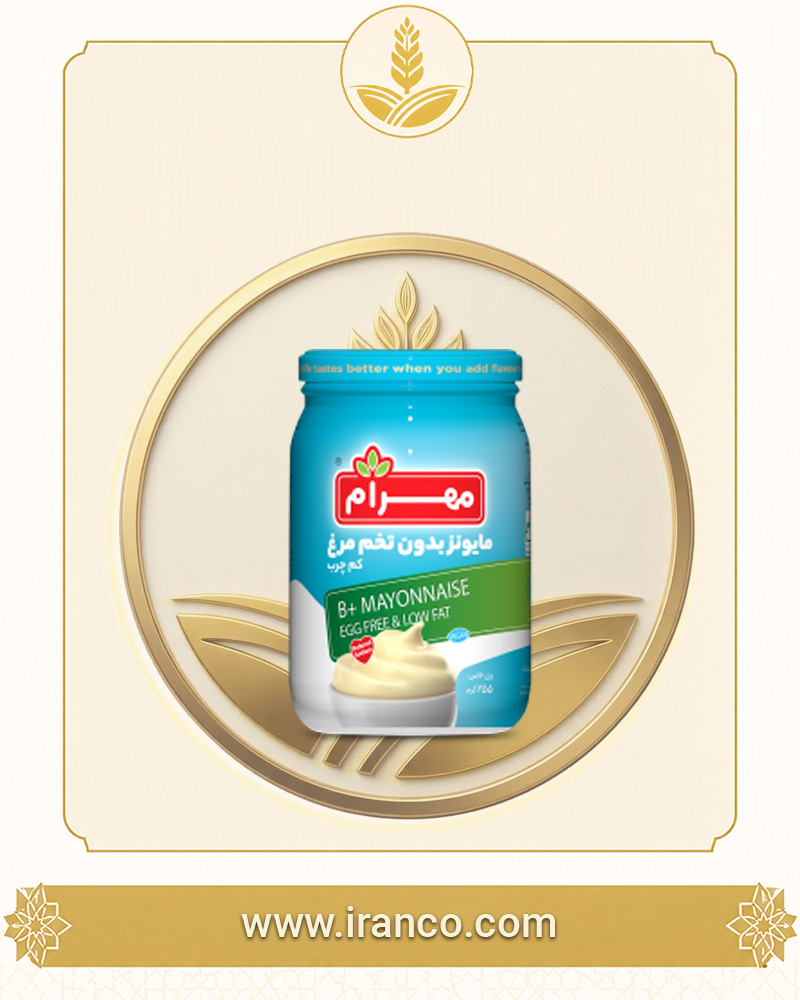
Mahram is a recognised Iranian food name in which sauces hold a special place. Mayonnaise, tomato sauce and other condiments have made the group familiar to households and foodservice. Household and restaurant markets should be analysed separately.
A restaurant needs taste and texture stability at high purchase volumes; a household may care more about container convenience and pack size. In wholesale, packaging type affects freight cost, storage and post-opening use. Understanding sauce plants starts from these application differences and leads to precise product comparison.
Behrooz — A Broad Condiment & Canned Basket
Behrooz Nik Food Industries, trading as Behrooz, is known in sauces, canned goods, tomato paste, pickles, olives and jams. That breadth places Behrooz across several everyday household and foodservice purchase baskets.
Studying such a group shows links among neighbouring product families. A store may source part of its condiment and canned need in one basket, yet must track sell-through SKU by SKU. In wholesale, net weight, container size, units per carton and seal condition matter. Assortment comparison only becomes meaningful when those details appear on the proforma.
Yek-o-Yek — Agro-Processing Tied to Fars Agriculture
Yek-o-Yek is a long-standing packed-foods name linked to Dasht-e Morghab and the Saadatshahr area of Fars. Tomato paste, canned goods, jam, pickles and related lines sit in its recognised range. The group exemplifies how processing plants turn agricultural crops into goods for wide markets.
In this industry, harvest season is not only an agricultural topic — it starts the plant’s production plan. Raw-material selection, intake timing and preparation methods shape finished quality. Wholesale buyers also need production timing and inventory plans, especially when large orders are set for multi-month distribution or multi-market supply.
Sahar — A Recognised Food Hub in Hamedan
Sahar Food Industries is a recognised name linked to Hamedan. Pickled cucumber, pickles, jam, sauce and canned goods sit in its known assortment. A plant with such breadth shows the role of agro-processing in agricultural regional economies.
In pickles and fermented goods, raw-material size uniformity and taste stability have commercial weight. A restaurant may need a defined cucumber size; a store may need a mix of small and family containers. Buying talks should therefore start with a precise product definition. The generic label “pickle” is not enough for price comparison — grade, drained weight and container type also enter the evaluation.
Chin Chin — Presence in Paste & Canned Markets
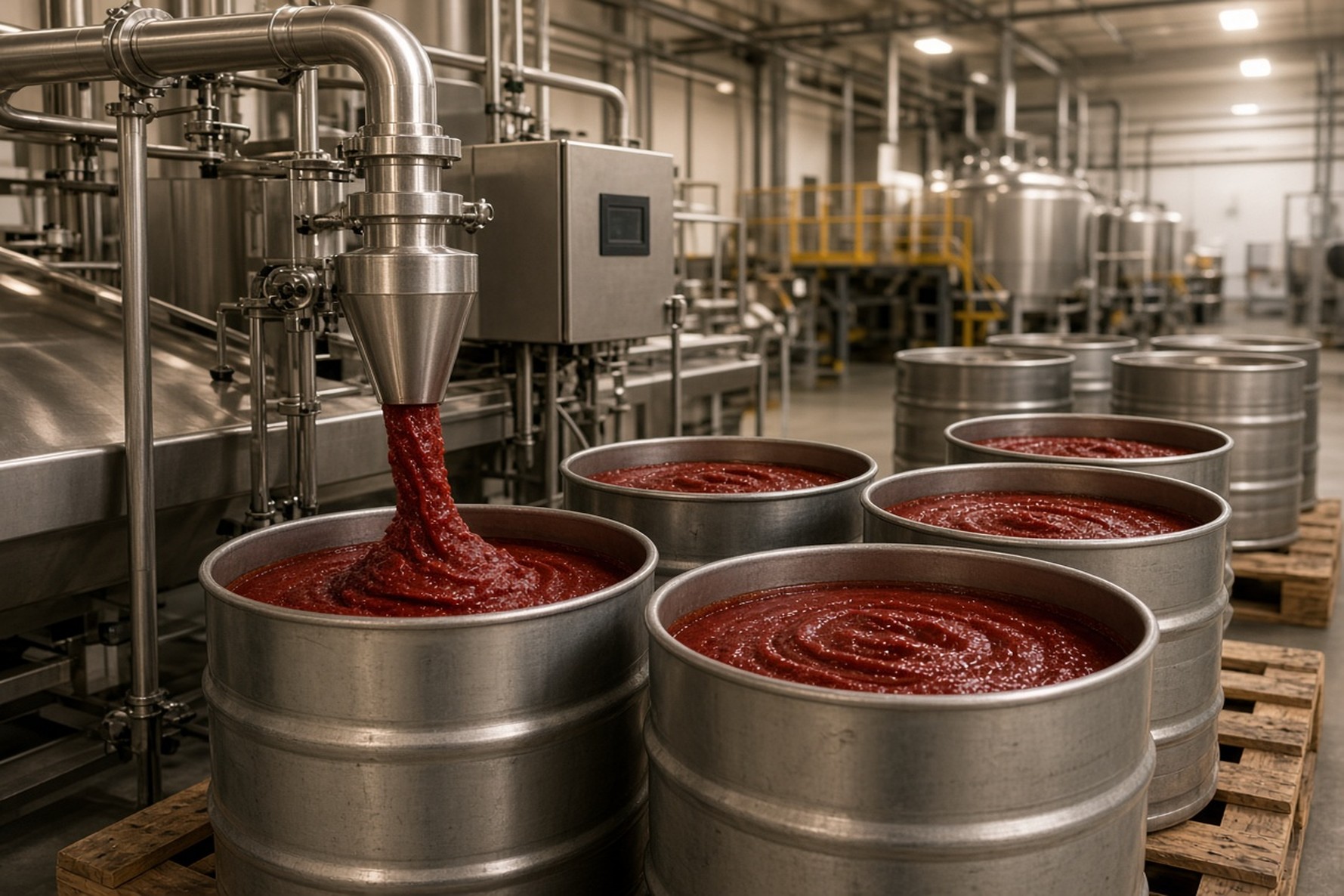
Chin Chin is a recognised name in Iran’s tomato paste and canned markets. Paste holds a special place because it serves both home cooking and institutional food preparation — creating different markets with different order sizes and pack formats.
In wholesale paste buying, net weight, concentration, colour and cooking fit should sit beside price. A small retail tin and a pack suited to a high-throughput kitchen do not share the same cost or use pattern. Closure quality and container appearance at delivery are also part of load evaluation. Those details separate cheap buying from economical buying.
Delpazir — Sauces & Table Complements
Delpazir is a recognised food name associated with Kadbanu. Sauces and groups of canned and condiment products sit in its identity. Such an assortment sits close to household and foodservice markets and leans on repeat use.
For plants of this type, packaging flexibility and use-matched variety matter. A store-friendly SKU is not necessarily the best choice for a large kitchen. Professional buying should also count container emptying ease, daily use volume and waste cost — so comparison is not limited to invoice amount.
Large Beverage & Juice Factories
The beverage industry spans juice, fruit drinks, syrups, soft drinks, malt beverages, bottled water and dairy drinks. These products differ in composition, process and storage. To understand plants in this sector, specify the exact product type — the generic word “beverage” hides important group differences.
Sun Ich & Alifard — Multi-Plant Beverage Production
Sun Ich is a recognised juice and beverage brand belonging to Alifard. Production units in Saveh and Firuzkuh matter for understanding the group’s industrial structure. Juice and fruit-drink families form the core of its market identity.
In buying this category, the exact on-pack designation matters. Juice, nectar and fruit drink should be compared by their own composition and specs. Pack size and consumption occasion also decide distribution. A single-serve on-the-go pack sells differently from a family pack or hospitality format. Knowing those differences helps tune assortment to the customer.
Alis — Focus on the Beverage Market
Alis is a recognised beverage group linked to Chenaran in Razavi Khorasan. Doogh, dairy drinks, soft drinks and malt beverages are among categories associated with the name. That breadth places the group across mealtime and everyday drink occasions.
In analysing such a plant’s market, seasonality and distribution channel type matter. Demand at a roadside store differs from a neighbourhood shop. Restaurants watch pack size and menu fit. Distributors must manage warehouse space and haulage — beverages’ weight and volume form a large share of delivery cost.
Behnoush — Malt Beverages in Soft Drinks
Behnoush is a long-standing Iranian beverage name; Delster is among its well-known related brands. Malt beverages hold a strong place in the group’s identity. Studying Behnoush shows the value of production specialisation and deep knowledge of one beverage family.
For wholesalers, flavour mix and pack size must track real sell-through. A top flavour in one region may not turn the same elsewhere. Transport pack strength and stacking also affect intact arrival. On high-volume orders, coordination of loading, warehouse space and distribution schedule is part of partnership quality.
Zamzam — A Long-Standing Soft-Drink Network
Zamzam is one of Iran’s older soft-drink names. Its multi-company structure and plants in different regions make it important for studying regional production and distribution. Carbonated soft drinks form its familiar identity.
Soft-drink manufacturing depends on coordinating beverage preparation, container readiness, filling and packing. In the market, regular access and point-of-sale presence matter. Institutional buyers need container type, per-serving volume and easy handling defined. Retail demand for single-serve versus family packs depends on neighbourhood, season and customer behaviour.
Large Edible Oil & Related Factories
Edible oil is both a household staple and an input for restaurants and other factories. Crushing, refining, blending and packing are distinct activities in this chain. To understand a group, clarify which stages it covers. Household oil, oil for specific cooking uses and fats for industrial production are not one market.
Behshahr Industrial — A Rooted Name in Vegetable Oil
Behshahr Industrial Company is a long-standing Iranian edible-oil producer. Ladan and Bahar are well-known brands linked to the group. Studying it helps map part of the history of industrial oil production and packing in Iran.
In oil buying, define end use before comparing price. Kitchens, confectionery plants and households do not share the same need. Container size, product composition and declared application form the evaluation basis. In wholesale supply, seal integrity, batch numbers and storage conditions should be checked at delivery so the load can be recorded accurately and traced if needed.
Margarine — Edible Oil & Fat Production
Margarine Company is an older name in Iran’s oil industry; brands such as Aftab and Aftab Talaei are associated with it. The sector links ingredient supply, oil processing and packed product offer.
These plants matter beyond the retail shelf, because edible fats also enter many food formulations. For industrial use, functional performance must fit formula and process. A cake or confectionery maker looks at fat behaviour in production and effect on texture, not only price. Industrial cooperation therefore needs clear specifications and load-to-load consistency.
Kourosh Food Industry — Production Linked to Broad Markets
Kourosh Food Industry is a recognised oil-sector group linked to the Golrang Industrial Group. Oila and Familia are well-known names in this field. Studying the group draws attention to the link among production, brand management and sales-network access.
Analysis should separate plant performance from retail and distribution activity. The manufacturer is responsible for the product; the distribution network takes it to market. Coordination among those links affects consumer access and inventory. Wholesale buyers need a clear contracting party, delivery origin and accountability path so ordering and shipment follow-up stay transparent.
Meat Products & Ready Meals
Meat products and ready meals represent part of changing consumption patterns. Households, restaurants and food preparers need products that simplify preparation. Composition specs, storage conditions and delivery discipline matter especially here. Chilled, frozen and ready-to-eat formats should also be distinguished.
Solico Kalleh Amol — Meat Products Branch
Kalleh Amol meat products — or Solico Kalleh — form a long-standing Solico Group branch. This segment should be analysed separately from Kalleh dairy. Meat products serve households and foodservice and need supply and distribution networks matched to product characteristics.
In wholesale, a generic product name is not enough. Declared composition, meat type, pack weight, storage method and culinary use must be clear. Restaurants and food preparers should also evaluate product under their real preparation methods. Size consistency and cooking behaviour are part of the economic quality of the order.
Gooshtiran, Shamsham & Andre — Recognised Meat Brands
Gooshtiran, Shamsham and Andre are recognised names in Iran’s processed-meat market. The category includes products with different compositions, formats and uses — they should not all be compared on one metric. Each SKU must be reviewed against that pack’s or datasheet’s specifications.
Professional buyers care about sliceability, size uniformity and fit with the final dish. Stores watch stock turn and cold-chain integrity. In partnerships with these producers, aligning orders with real sales matters — overbuying raises warehouse pressure and shelf-life risk. Regular delivery schedules reduce that pressure.
Nami No — Ready Meals & Urban Consumption
Nami No is a recognised ready- and semi-ready meal name; products such as Olivier salad feature in public recognition. These lines answer demand for time saving and connect to stores, workplaces and urban lifestyles.
For a ready-meal plant, aligning production plans with daily demand is critical. Product must reach the market with consistent traits and suitable timing. Stores need precise inventory and reorder discipline as much as sales. Institutional buyers weigh portion weight, distribution ease and delivery windows.
B.A. — Frozen & Semi-Prepared Products
B.A. is a recognised Iranian frozen and semi-prepared foods name. Nuggets, burgers and some ready-to-cook meals sit in this market’s familiar set. Consumer value lies in shorter preparation steps and repeatable kitchen results.
In wholesale frozen buying, the buyer’s storage capacity must match order volume. Cook yield, piece size and servings available also shape true per-meal cost. Comparing two products by pack price alone is not enough — usable food after preparation should be measured. That method brings comparison closer to real business need.
Sugar Industry — Plants at the Heart of the Food Chain
Beyond direct use, sugar enters beverages, confectionery, chocolate, jam and many other products. Sugar plants are therefore part of food-industry supply infrastructure. Beet sugar and cane sugar follow different agricultural and industrial paths, each tied to climate, harvest timing and processing facilities.
Sugarcane Development & Side Industries — Farm–Industry Link in Khuzestan
The Sugarcane Development and Side Industries Company is known through a set of agro-industrial complexes in Khuzestan. Units such as Imam Khomeini, Debel Khozaei, Amir Kabir, Salman Farsi, Dehkhoda, Mirza Kuchak Khan and Hakim Farabi sit in that structure. In this model, farm and factory are interlocking parts of one production activity.
Industrial importance shows in coordinating harvest, cane transport and processing. Timing in each link affects the next. Side streams from processing also enable complementary industries. Studying these groups shows that a large food plant can be part of a wide agricultural landscape, with production planning starting in the field.
Haft Tappeh — A Recognised Cane Industry Name
Haft Tappeh Sugarcane Agro-Industry is a long-standing name linked to sugar production in Khuzestan and to the history of Iran’s large agro-industrial complexes. In such units, farm machinery, haulage fleets and plant equipment must work in concert.
Evaluating this type of plant differs from evaluating a packing unit. Raw-material quality, harvest performance, maintenance plans and line readiness in season all matter. Downstream industries also care about continuity of supply and finished-product specs. That dependence clarifies sugar producers’ role in confectionery and beverage planning.
Isfahan, Neyshabur & Sabet Khorasan Sugar
Isfahan Sugar, Neyshabur Sugar and Sabet Khorasan Sugar are recognised names in the national sugar industry. These plants matter in relation to beet production, agricultural offtake and industrial processing — linking regional farm economies to food-industry demand.
Understanding the sector requires distinguishing installed capacity, raw-material intake and actual output. A large line alone does not indicate production in every period. Cropping plans, harvest conditions and equipment readiness affect results. That is why food-plant analysis must look at the whole supply chain, not only buildings and machinery.
Tea, Saffron, Spices & Packaged Agricultural Products
Not every important food-industry activity depends on cooking, fermentation or thermal processing. Cleaning, grading, blending, milling and packing also create economic value. In tea and saffron, knowing the raw material and preserving its character matter. In pulses and spices, uniformity, cleanliness and suitable packaging are part of expected quality.
Golestan — Breadth in High-Turn Staples
Golestan is a recognised Iranian tea and packed-foods name. Tea, rice, pulses and spices form parts of its consumer-market identity. Analysis should distinguish farming, processing and packing — offering a product under a brand does not by itself mean the company grows that crop.
Wholesale buyers care about consistency across consecutive loads. For tea: brew and flavour character; for rice: type and cooking quality; for pulses: size and cleanliness. Those criteria push comparison beyond pack appearance toward delivered quality.
Saharkhiz & Bahraman — Saffron Processing & Packing
Saharkhiz and Bahraman are recognised names linked to saffron and Khorasan. In this field, value depends on raw-material character and care in preparation and packing. Small pack size should not downplay weight control, product uniformity or shipment traceability.
In wholesale saffron buying, product type and quality specs must be clear. A gift pack and a restaurant-use pack do not share the same target. Pack appearance must not replace content evaluation. Specialist processors and packers connect a high-value crop to stores, professional users and commercial markets.
Geographic Map of Iran’s Major Food Factories
Food-plant location follows several drivers: raw-material access, proximity to consumer markets, transport networks, water and energy, and regional industrial history. That is why a dairy plant, a fruit processor and a cane complex do not necessarily form in the same geography. The table below shows sample links between region and industrial activity.
| Region | Sample groups & plants | Standout sectors in these examples |
|---|---|---|
| Amol & Mazandaran | Kalleh, Haraz, Saleh | Dairy & food products |
| Tabriz & East Azerbaijan | Shirin Asal, Aidin, Shoniz | Sweets, chocolate & biscuits |
| Tehran & surroundings | Pak and multiple dairy & food units | Consumer-goods production & distribution |
| Alborz | Zar Macaron, Behrooz Nik | Cereal products, sauces & canned goods |
| Khorramdareh, Zanjan | Minoo Khorramdareh | Food products & industrial confectionery |
| Razavi Khorasan | Alis, Pegah Khorasan, saffron groups | Beverages, dairy & saffron packing |
| Fars | Ramak, Pegah Fars, Dasht-e Morghab | Dairy & agricultural processing |
| Hamedan | Sahar Food Industries | Pickles, preserves, jam & canned goods |
| Saveh & Markazi | Alifard unit in Kaveh Industrial City | Beverages & juice |
| Isfahan & Golpayegan | Pegah Isfahan, Pegah Golpayegan, Isfahan Sugar | Dairy & sugar |
| Khuzestan | Cane agro-industries & Haft Tappeh | Sugar & related activities |
Why the Tehran–Alborz–Qazvin Corridor Matters
Proximity to a dense consumer market, access to freight routes and the presence of industrial-service suppliers make this corridor important for food activity. A plant here can reach packaging services, maintenance, laboratories and distribution. On the other side, land cost, traffic and distance from some agricultural sources also shape planning.
For buyers, a Tehran head office does not mean the product is made in Tehran. Loading may be at a plant in another province. That difference must be clear from the first negotiation, because freight cost and lead time depend on the real origin. Recording production site and delivery point in supplier data prevents misleading price comparison.
Why Tabriz Stands Out in Sweets & Chocolate
Groups such as Shirin Asal, Aidin and Shoniz have made Tabriz one of the recognised centres of this industry. Several same-sector producers create a shared market for skilled labour, technical services, ingredients and packaging. That industrial density also strengthens experience transfer and supporting businesses.
For traders, knowing a production hub means the chance to review several options in one business trip. Final selection, however, must happen at product level. Two chocolate plants may differ in pack weight, SKU type, MOQ and target market. Systematic comparison of those specs beats choosing only by city or brand fame.
North, South & East — Three Different Production Patterns
In the north, dairy and agricultural processing often sit side by side. In Khuzestan, cane agro-industries exemplify a direct farm–factory link. In Khorasan, beverages, dairy, sugar and processing of high-value crops build a diverse food-industry picture.
Those differences matter for investors and buyers. Proximity to raw materials can be one region’s advantage; proximity to consumer markets another’s. The right decision comes from comparing total landed cost: purchase, freight, storage, waste and time. A geographically more distant plant may still be advantageous for a specific product — but that advantage must be tested on real loads and delivery terms.
Behind the Scenes — What Keeps a Large Plant Sustainable
Raw-Material Sourcing & Links to Agricultural Producers
Before a line starts, a food plant needs a purchasing plan. Clear raw-material specs, intake timing and load-evaluation methods are foundations of that plan. In milk, fruit, cereals and meat, inbound quality directly affects the finished product. Buying only on low price hides later costs — from yield loss to extra sorting and production mismatch.
Regular supplier relationships improve planning. The plant can state needs more clearly; the supplier can prepare for timing and volume. For seasonal crops, pre-harvest coordination matters even more. Cooperation works when acceptance criteria and each party’s responsibilities are defined upfront.
Quality Control & Product Traceability
In an orderly plant, product must be traceable from raw material to outbound load. Batch numbers, dates, packaging data and QC records are parts of that capability. They help the organisation investigate discrepancies and identify a specific shipment when needed.
For wholesale buyers, traceability is not ceremonial. When one load differs from a previous order, precise records enable effective follow-up. Pack photos, batch numbers, delivered quantity and receipt time are practical data for supplier dialogue. That discipline speeds problem-solving and keeps the commercial relationship transparent.
Packaging, Warehousing & Transport
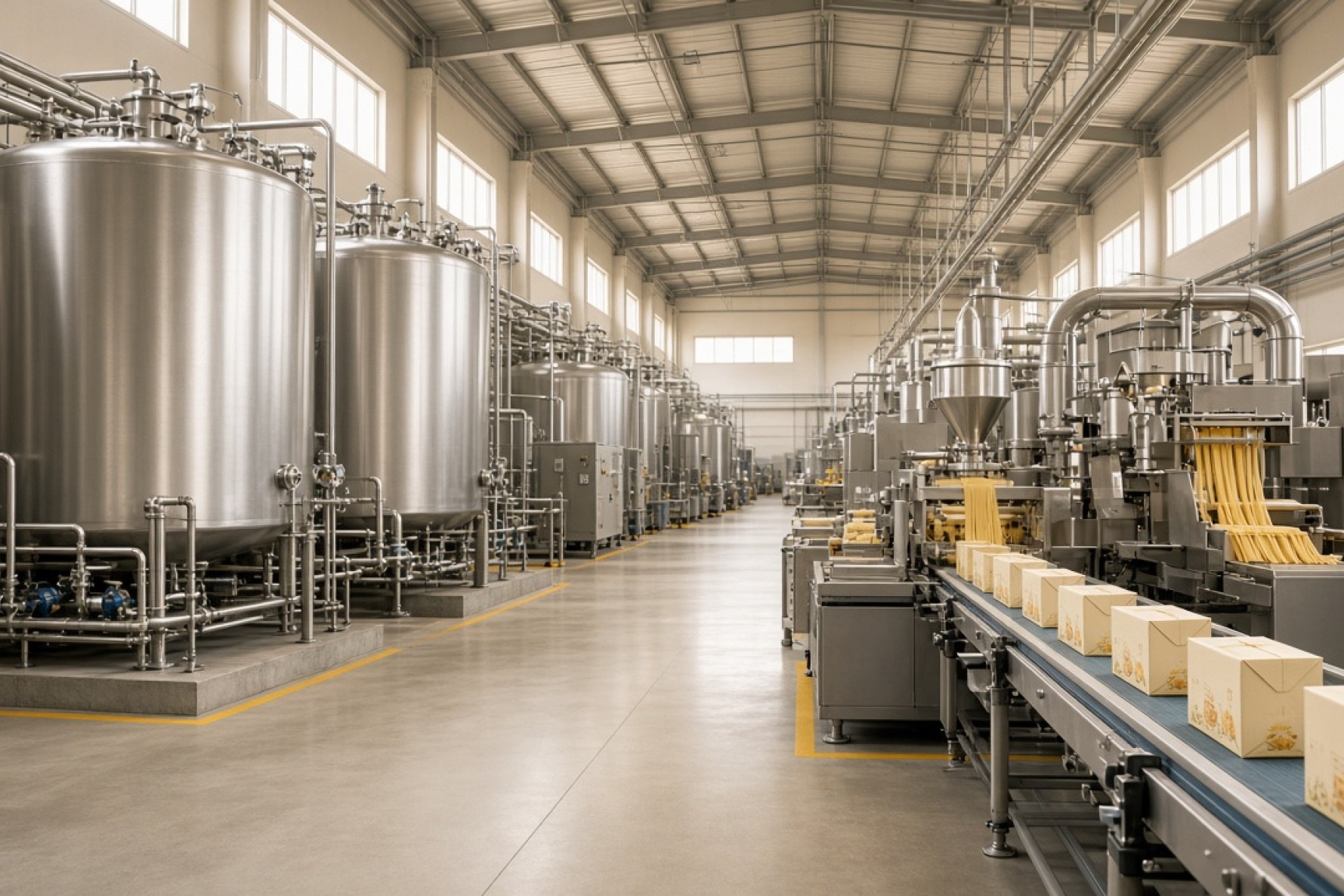
Packaging must fit both product and distribution path. Glass, metal cans, pouches and bottles have different handling and stacking needs. A carton adequate for a short haul may fail on a long multi-stage route. Transport-pack quality is therefore part of delivered quality.
Warehouses must also be run by product type. Chilled, frozen and ambient goods cannot share one management plan. For all of them, inbound/outbound recording and timely release matter. Ultimately, the quality the plant produced must be preserved to the point of use — a responsibility shared among manufacturer, carrier, distributor and store.
Wholesale Cooperation Guide with Food Factories
Define the Product Precisely First
Asking only for “paste price” or “cheese price” is not enough to start talks. Buyers should state product type, weight, packaging, order quantity and delivery point. In organisational buying, end use also matters. Breakfast cheese, cooking cheese and industrial-process cheese follow different criteria.
Order lists should be written so two suppliers can answer the same request — that keeps comparison fair. If weight or delivery terms differ, a price gap alone has little meaning. Precise definitions cut fruitless back-and-forth and move negotiation toward a decision.
Replace Apparent Price with Total Cost
Ex-works price is only part of purchase cost. Freight, unloading, storage, breakage, returns and inventory holding must also be counted. For chilled products, buyer storage capacity matters; for bulky goods, freight stands out. A deep discount only has value if the goods sell or are used on time.
For example, a large biscuit load at a lower price is economical only when sell-through and warehouse space match. Otherwise capital sits in stock for too long. The same logic applies to beverages, dairy and frozen foods — with different storage constraints for each group.
Weigh Sample, Delivery & Responsiveness Together
Samples should be evaluated under conditions close to real use. A restaurant tests in its kitchen; a store checks pack fit with its customers. The main load must then match agreed specs. Sample quality has commercial value only when it repeats in later deliveries.
In supplier selection, the response path also matters. Sales contact, order-logging method, shortage notification timing and dispute handling should be clear. Sustainable cooperation is built from reliable behaviours: defined product, regular delivery, accurate information and issue resolution. Brand reputation starts recognition; execution experience shows real partnership quality.
- Specify SKU, pack, MOQ, Incoterms and delivery point in every inquiry
- Compare landed cost, not only factory-gate price
- Require batch/lot data and CoA where quality risk is material
- Pilot with a trial load before committing to annual volume
Development Path for Iran’s Large Food Factories
Development of this industry runs along several linked paths. First is reducing raw-material and product loss across the chain. Any goods damaged in intake, production, warehouse or transport destroy part of cost and resources already spent. Better purchasing and production planning, suitable packaging and distribution discipline feed productivity directly.
Second is product development based on real need. Adding SKU count alone is not an advantage. A new product should solve a consumer problem — better size, easier use, preferred taste or a clear culinary application. Plants that convert market feedback into production decisions use resources more purposefully.
Third is stronger cooperation among chain links. Farmer, plant, packaging supplier, carrier and store affect one another’s outcomes. Planning those links in isolation creates coordination cost. Sharing information on demand, inventory and delivery timing unlocks better use of existing capacity.
Iran’s large food factories operate across different domains: dairy and ice cream, sweets and chocolate, cereals, canned goods, beverages, oil, sugar and protein products. Precise understanding starts with brand names and reaches product, production site, supply chain and order-execution capability. For buyers, distributors and industrial operators, the value of that understanding shows in better decisions — choosing a fitting product, securing regular supply and building partnerships whose quality is visible in every shipment.