 Iranco Magazine Team
From farm to shelf: branches, known brands, geography, quality, packaging and export path
Comprehensive Guide · Iran Food Industry
Iran’s Food Industry: A Comprehensive Guide to Production, Brands, Factories, Markets and Export
An integrated picture of Iran’s food industry — from the production chain and core sectors to brands, geography, quality, packaging, the domestic market, export and performance indicators — published in Iranco Magazine.
Breakfast with bread, cheese and tea; lunch with rice and oil; a simple dinner with yogurt and greens — each is the outcome of a large chain of activity. Farmers, livestock producers, factories, laboratories, packaging companies, cold stores, drivers and retailers all play a role. Iran’s food industry sits at the centre of that connection: the point where farm output becomes food that can be stored, transported and consumed.
Understanding this industry is not limited to knowing a few names on a supermarket shelf. Behind every pack of milk, tin of tomato paste or bag of pasta sits a set of technical and commercial decisions: Where should the raw material come from? How is quality preserved? At what price does the product reach the buyer? Which packaging suits household use or export? The answers to those questions mark the difference between one-off production and building a lasting business.
With diverse agricultural output, a broad food culture, an industrial production network and geographic access to neighbouring markets, Iran offers a varied landscape for food-industry activity. From dairy and confectionery to canned goods, dried fruit and nuts, beverages and cereal products, each branch has its own characteristics. This article presents an integrated view of Iran’s food industry and explains how production, quality, markets, trade and development interconnect.
What Is the Food Industry and What Activities Does It Cover?
The food industry covers the activities that prepare, process, preserve or package edible raw materials for human consumption. Turning wheat into flour, milk into cheese, tomatoes into paste and grapes into raisins are clear examples. The degree of processing is not the same for every product: some items are only cleaned and packed, while others pass through several production stages.
In a practical breakdown, primary processing comes first — cleaning pulses, rice milling, removing impurities from grains and grading fruit. Next is the manufacture of intermediates such as flour, oil, tomato paste, concentrate and milk powder. At another level, several raw materials are combined into products such as biscuits, sauces, ready meals or desserts.
Note: Support services are also essential to keep this industry running. Machinery makers, packaging and film producers, laboratories, transport companies and food storage centres directly affect product quality and cost. A review of the food industry must therefore look beyond the factory gate and cover the full path of food to the consumer.
Why Does the Food Industry Matter for Iran’s Economy?
Food is a daily need, and that creates continuous demand for production and distribution. Household purchasing mix does change with income and prices. A family that cuts back on some higher-priced foods still needs staple items. Understanding purchasing power and consumption patterns is therefore inseparable from managing the food industry.
The industry links agriculture to the consumer market. When a factory has a clear offtake plan for a farmer’s crop, planting, harvest and delivery can be better coordinated. Processing also creates outlets for produce that may not look suitable for fresh retail but remains acceptable for health and processing specifications.
Employment in food manufacturing takes many forms. Production operators, quality-control specialists, maintenance staff, packaging designers, sales experts and distribution drivers are all part of the network. A factory operating in a provincial town also creates demand for local service businesses and suppliers. The industry’s economic value comes from this wide connection across many links.
From Traditional Production to Specialised Factories
Much of Iran’s food-preservation knowledge is rooted in local practice. Drying fruit, making kashk, producing tomato paste, pickling, fermenting and baking durable sweets were practical responses to harvest seasons and limited storage. Industrial production combines those experiences with equipment, measurement and systematic control.
The main difference between a factory and scattered production is repeatability. Buyers expect flavour, weight, texture and quality to stay close to previous purchases. Achieving that consistency requires precise formulations, staff training, raw-material control and recorded process conditions. Scaling volume without strengthening those foundations does not necessarily improve quality.
In Iran’s market, local producers and large companies operate side by side. Smaller firms benefit from regional taste knowledge and flexibility in supply. Larger groups rely on distribution networks, specialised equipment and broad sourcing capacity. Both build their economic position by choosing the right market and defining a clear product offer.
The Food Production Chain: From Farm to Shelf
- Raw-material supply: Milk quality, wheat type, tomato ripeness or pistachio moisture has a direct effect on the finished product. A factory that only checks quality at delivery loses much of its control opportunity. Supplier relationships should start before harvest or collection.
- Assessment and processing: After intake, materials are assessed against defined specifications. Weighing, sampling, visual checks and required tests determine acceptance or rejection. The product then moves into preparation, processing and packaging. Orderly material flow and separation of dirty and clean zones are foundations of sound plant design.
- Storage and distribution: Finished goods must be held under conditions suited to their characteristics and reach their destination on time. High-quality food that arrives late or is damaged in transit loses commercial value. Successful chain management follows quality responsibility through to delivery to the buyer.
Core Branches of Iran’s Food Industry
| Branch | Sample products | Decisive factor in production & trade |
|---|---|---|
| Dairy & ice cream | Milk, yogurt, cheese, doogh, cream and ice cream | Raw-milk quality and temperature management |
| Cereals & flour | Flour, packaged bread, noodles and pasta | Wheat characteristics and process uniformity |
| Confectionery & chocolate | Biscuits, cake, wafers, chocolate and candy | Formulation, texture and freshness retention |
| Oils & fats | Edible oils and fats used in manufacturing | Stability, application and storage conditions |
| Canned goods & condiments | Tomato paste, sauces, pickles and canned meals | Preservation process and package integrity |
| Meat & seafood | Packaged meat, meat products and fish | Raw-material origin and cold chain |
| Beverages | Bottled water, juices and fruit drinks | Water quality and accurate ingredient labelling |
| Dried fruit, nuts & spices | Pistachios, raisins, dates, saffron and spices | Authenticity, moisture and contamination control |
| Ready meals | Ready meals, frozen vegetables and semi-prepared products | Convenience and consistent quality |
Dairy: An Industry Built on Freshness and Discipline
The dairy industry works with a sensitive raw material. The interval between milking, collection, transport and processing affects final quality. Regular contact with farms, collection equipment and suitable transport are therefore part of the dairy production core. Dairy plant management does not start when milk enters the hall; it depends on the supply network.
Drinking milk, yogurt, doogh, cheese, cream, butter, kashk and powdered products serve different markets. Some are made for daily household use; others are raw materials for other factories. Industrial milk powder, whey powder and cheese used in food manufacturing illustrate how dairy links to other food branches.
Packaging and pack size also affect sales. A small household’s needs differ from those of a restaurant, hotel or bakery. Weight variety must match consumption speed, storage conditions and distribution cost. Expanding SKU count without understanding those differences makes inventory harder to manage.
In ice cream, product composition is only part of the story; maintaining freezing conditions throughout distribution is critical. Texture quality depends on formulation, process and storage. The retail outlet and its holding equipment play a direct role in the consumer’s final experience.
Cereals, Flour, Bread and Pasta
Cereals underpin a wide range of food production. Flour mills, industrial bakeries, pasta plants and biscuit makers all use wheat, but they do not expect the same characteristics. Protein quantity and quality, dough behaviour and flour particle size matter differently by application. Raw-material selection must follow the finished product.
In milling, wheat cleaning, conditioning, grinding and separation of fractions affect product uniformity. Industrial buyers need flour that behaves predictably across successive runs. Sudden changes in flour characteristics disrupt line settings and finished-product quality.
Pasta production combines raw-material choice, shaping and controlled drying. Good appearance before cooking is not enough; the product must also perform acceptably when cooked. Breakage resistance, pack uniformity and shape suitability for the intended dish are key assessment criteria.
Packaged bread and semi-prepared bakery products face freshness and consumption-window constraints. Distribution plans in this group must stay close to real demand. Over-delivering to stores creates returns and waste; under-delivering loses sales opportunities.
Confectionery, Chocolate, Biscuits and Cake
This branch of the food industry connects to daily consumption as well as hospitality, gifts and occasions. Pack shape, product size and price tier therefore matter alongside flavour. An economy biscuit and a gift box of chocolate are not purchased with the same logic.
In cake and biscuit production, moisture control and baking conditions are essential to protect texture. In chocolate and related products, fat type, cocoa quality and temperature conditions affect appearance and mouthfeel. Product naming also matters: precise ingredient descriptions help buyers compare genuinely similar goods.
Tabriz and East Azerbaijan are well-known centres of industrial confectionery and chocolate. Alongside plants in that region, producers in other provinces are also present in cake, cookies, biscuits and sweets. That diversity shapes competition on flavour, price, distribution and packaging.
For trade in this group, product durability in transit and pack suitability for climate matter. Breakage, softening or appearance change — even without weight loss — reduces sellable value. Transit testing and real-shelf checks are part of preparing a product for market.
Edible Oils and Fats Used in Food Manufacturing
Oil is both a household staple and a raw material for sauces, confectionery, cake and many other foods. Different uses require different properties. An oil suited to an industrial process must match operating temperature, expected texture and finished-product storage conditions.
Supply of oilseeds, crude oil and related inputs affects cost and production continuity. Each producer’s reliance on domestic and import supply routes is part of its economic structure. Purchasing management must consider lead time and quality consistency as well as price.
Light, oxygen and heat affect oil stability. Container choice, warehouse conditions and inventory turnover must align with those sensitivities. In wholesale buying, comparing on bottle price alone is not enough; oil type, net weight and defined application must be aligned.
Tomato Paste, Sauces, Pickles and Canned Products
Tomato processing is a clear example of the link between agriculture and the factory. Harvest timing, distance from farm to plant and fruit characteristics affect line performance and paste quality. Coordinating intake during the harvest season prevents congestion and quality loss.
For tomato paste, indicators such as soluble solids concentration, colour, flavour and packaging conditions matter. Two products should be compared against their real specifications. A bulk pack for industrial use has a different economic logic and usage profile than a household can or jar.
Sauces differ by more than flavour. Texture, adhesion, stability and performance in use matter to professional buyers. A restaurant needs a product that delivers consistent results under kitchen conditions. Manufacturers should design formula and pack with the end application in mind.
In canning, seal integrity and a process suited to the product are the basis of shelf life. Pickles, tomato paste and canned meals should not be treated as identical in preservation method. Each has its own specifications and controls, and production design must follow those requirements.
Meat, Poultry, Seafood and Protein Products
In this sector, raw-material origin, transport conditions and separation of process stages are especially important. Packaged meat, chicken portions, frozen fish and processed meat products follow different production paths. Discipline in intake, holding and delivery affects quality and sellability across all of them.
Institutional buyers look beyond price to portion uniformity, weight, yield loss and ease of preparation. For an industrial kitchen, a product that looks cheaper but creates more waste is not necessarily economical. Comparison should be based on usable quantity and final consumption result.
Seafood also offers diverse processing options — from cleaning and portioning to freezing and canning. Access to catch or aquaculture areas is only part of the advantage. Speed of preparation, freezing quality and reliable delivery convert that advantage into a marketable product.
Beverages, Juices and Fruit Products
The beverage industry covers a diverse product set. Bottled water, juice, nectar and fruit drinks do not share one definition or composition. Product naming must match contents so consumers know what they are buying. Transparent ingredient communication is part of brand trust.
In fruit processing, products such as puree and concentrate sit between orchards and final manufacturing. These materials supply beverage, ice-cream, dessert and confectionery plants. Not every producer in this segment sells directly to end consumers; part of the market is ingredient sales to other industries.
Process-water quality, line hygiene, flavour consistency and pack integrity are core production factors. Economically, weight and shipping volume also matter. Distributing a bulky product with a limited unit price needs precise route, warehouse and loading planning.
Dried Fruit & Nuts, Dates, Saffron and Spices
Pistachios, raisins, dates and saffron are flagship agricultural and food-trade products of Iran. Value creation in this group starts at cultivation and harvest and continues through sorting, cleaning, grading and packaging. Selling a uniform product with clear specifications improves comparison and trust.
For dried fruit and nuts, good appearance alone is not enough. Moisture, storage conditions, foreign matter and related test results also matter. Accurate lot classification helps buyers choose product suited to direct consumption, further processing or confectionery. Mixing different quality grades weakens commercial trust.
Dates are used not only for direct consumption but also in paste, syrup and other edible intermediates. That range of uses allows economical utilisation of different sizes and shapes of sound fruit. Packaging must match date type, moisture and distribution conditions.
For saffron and spices, authenticity and traceability are highly important. Professional buyers need samples, specifications and consistent quality. A production-region name becomes a commercial advantage only when it is backed by measurable quality and reliable supply.
Ready, Semi-Prepared and Frozen Foods
The core value of this group is reducing preparation time and simplifying the user’s work. Cleaned vegetables, ready meals, frozen dough and semi-prepared products move part of what used to happen at home or in the kitchen into the factory. Product success depends on protecting quality alongside that convenience.
Food design must match real preparation methods. A product that performs well in the lab must also deliver with the buyer’s ordinary equipment. Clear preparation instructions, portion size and storage guidance help reduce unsuccessful experiences.
For frozen foods, holding and distribution cost is a major part of the economics. From the outset, the factory must define the route and capabilities through which product reaches the customer. Expanding sales without adequate transport and storage capacity makes supply quality unstable.
Well-Known Brands and Groups in Iran’s Food Industry
Brand name, owning company and plant location are three different concepts. One company may hold several brands, and one brand may be produced in several units. Accurate market understanding requires checking each name’s field of activity and avoiding the assumption that fame in one product extends to every item in the group.
| Recognised name | Known field of activity |
|---|---|
| Kalleh | Dairy, cheese, desserts and other food products |
| Pegah | Milk, dairy and powdered products across a network of manufacturing companies |
| Mihan | Ice cream and dairy |
| Domino | Ice cream and dairy products |
| Haraz | Yogurt, doogh and other dairy products |
| Pak | Dairy and ice cream |
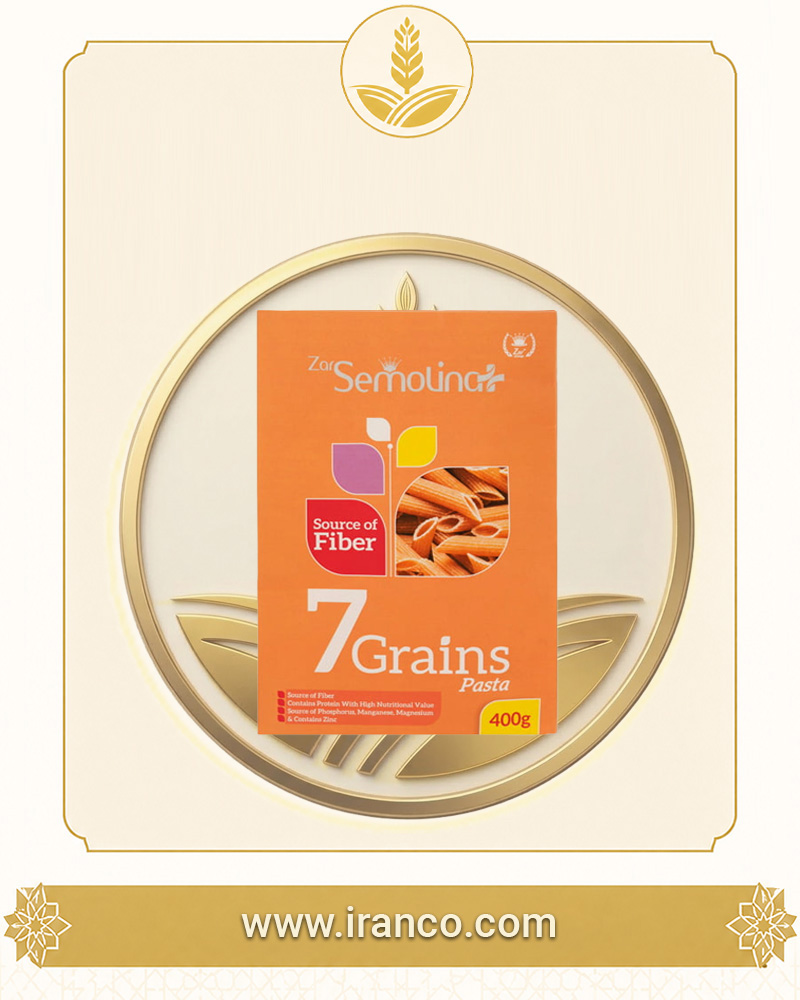
| Zar Macaron | Pasta, cereal products and related items |
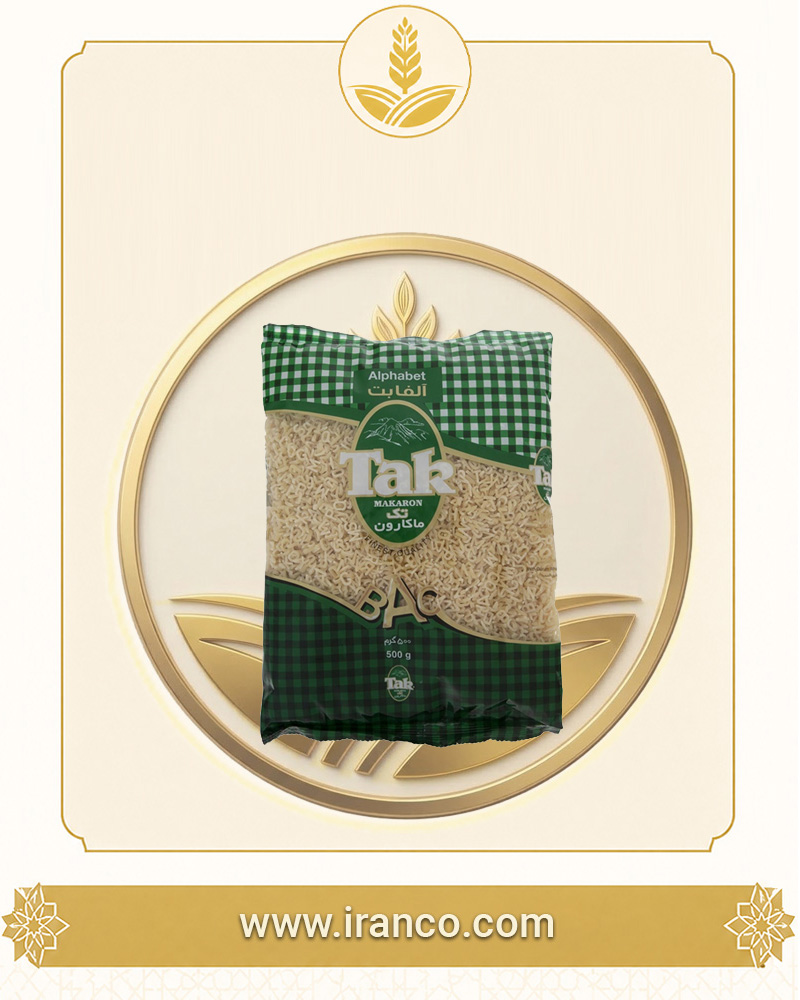
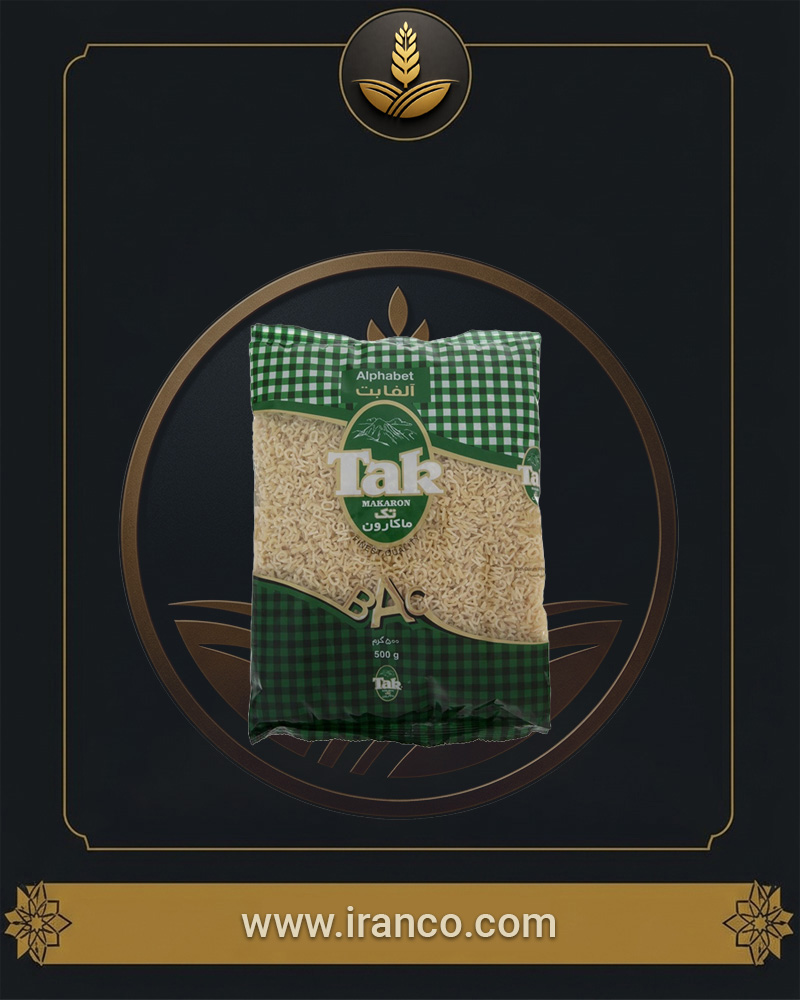
| Tak Macaron | Pasta and related products |
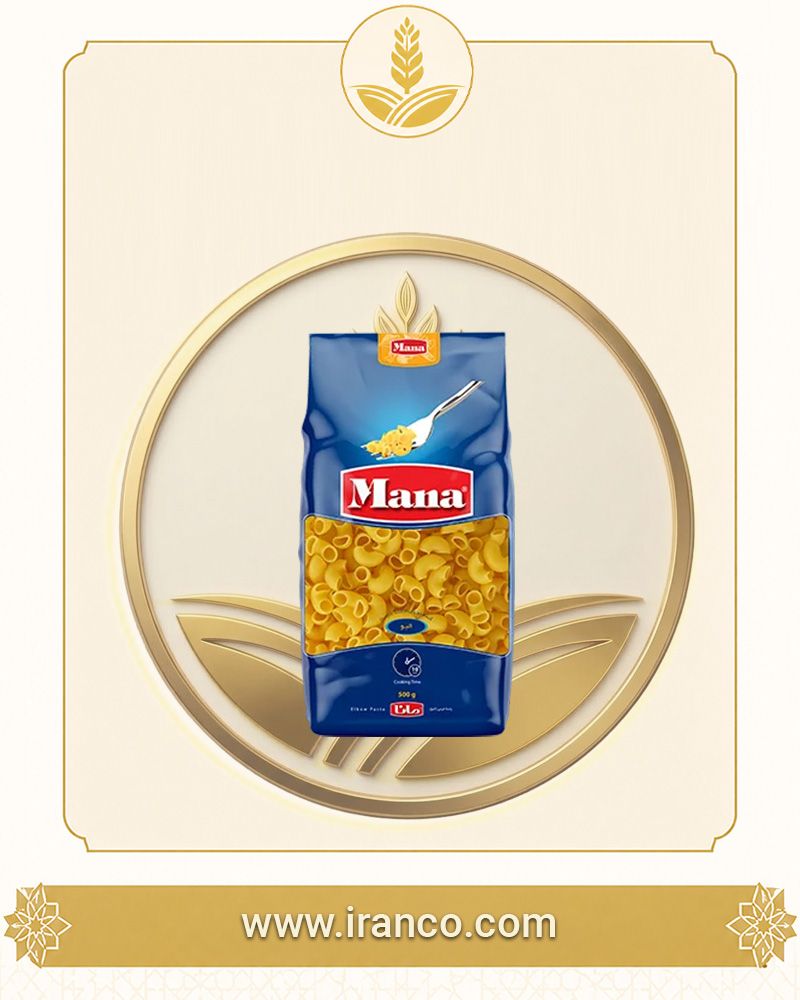
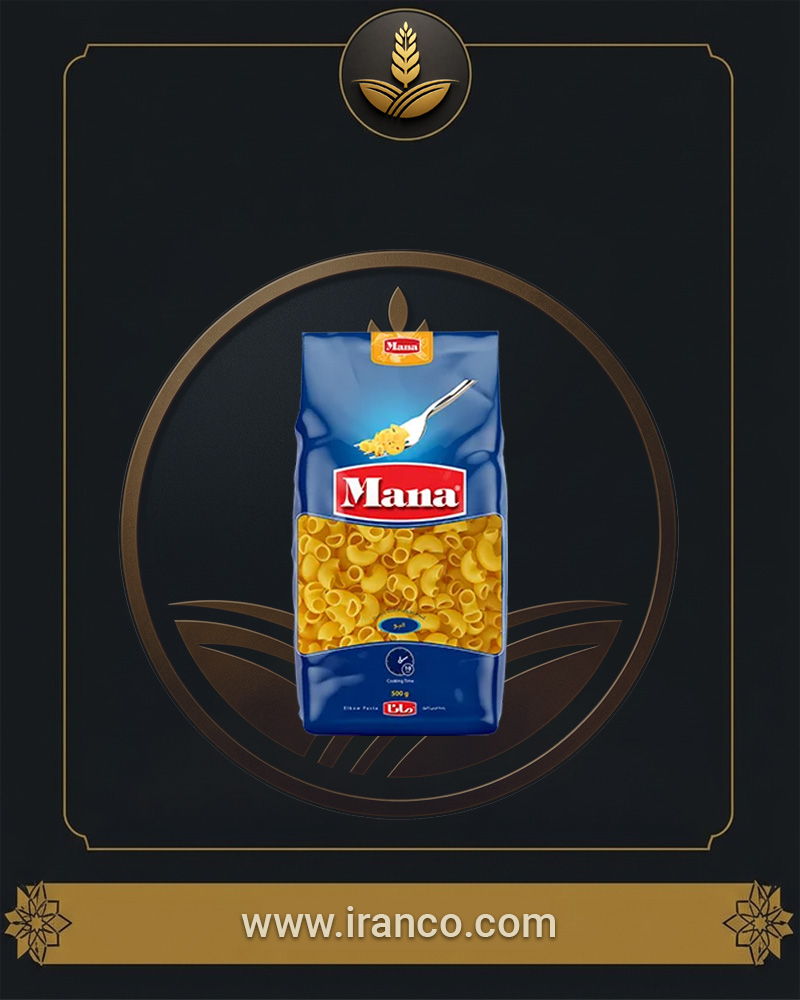
| Mana | Pasta and related products |
| Shirin Asal | Biscuits, cake, chocolate and a wider food basket |
| Shoniz | Chocolate, confectionery and related products |
| Aidin | Chocolate, cake, wafers and confectionery |
| Minoo | Biscuits, wafers and sweet snacks |
| Gorji | Biscuits and related products |
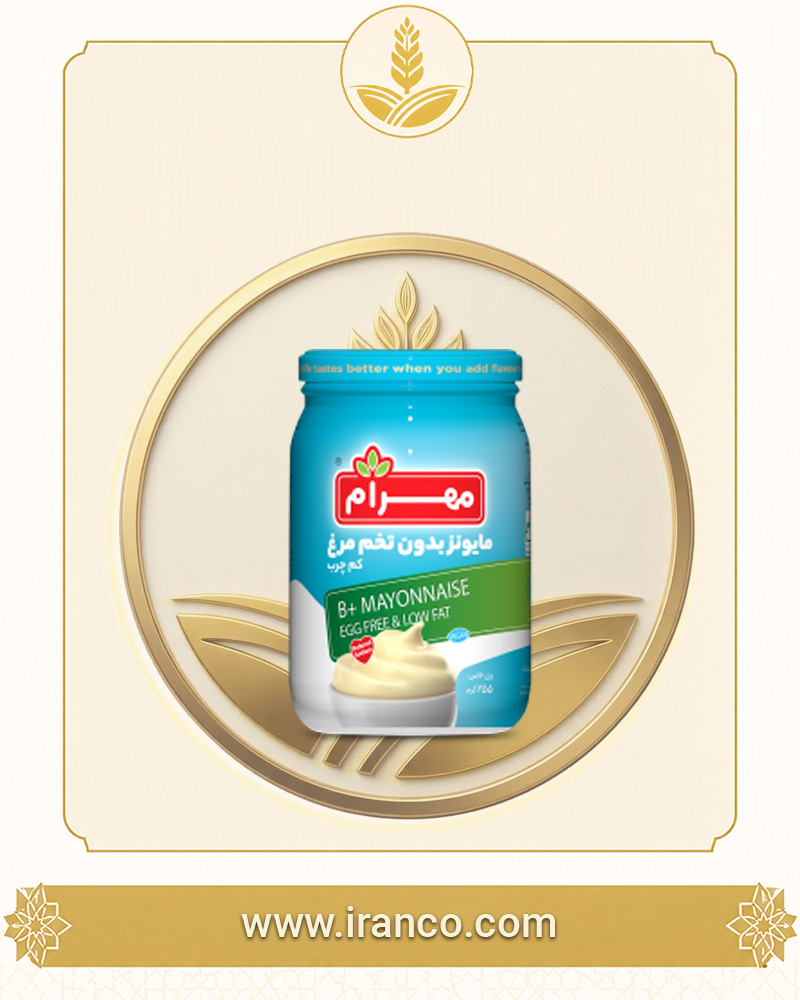
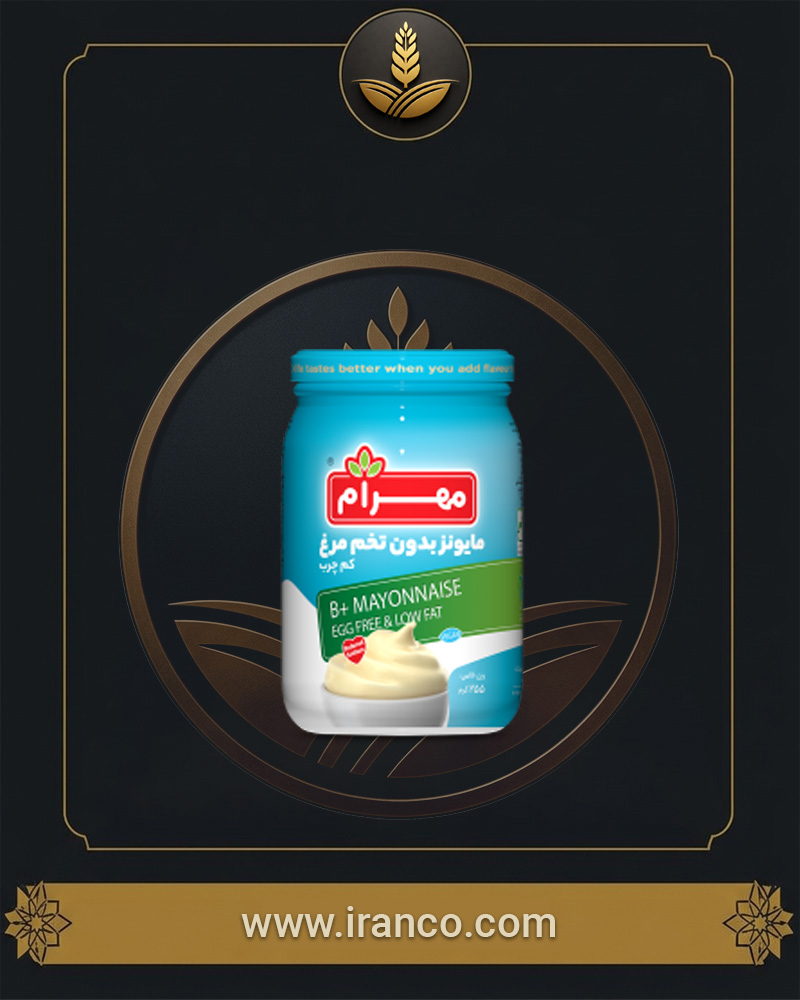
| Mahram | Sauces, condiments and food products |
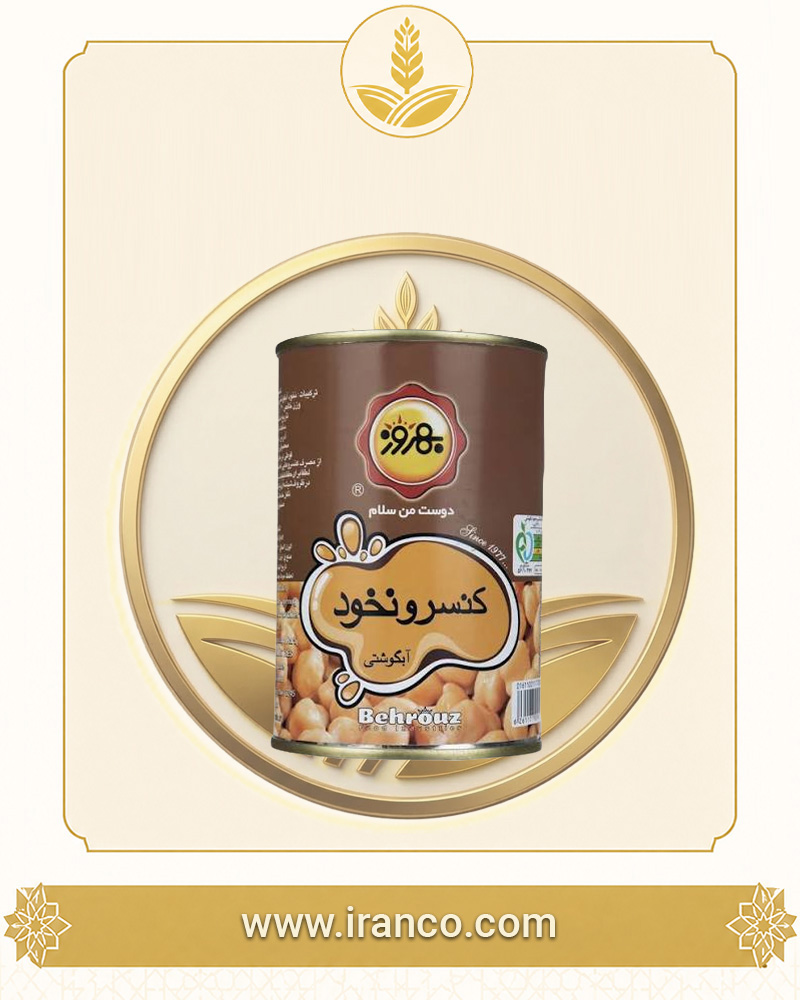
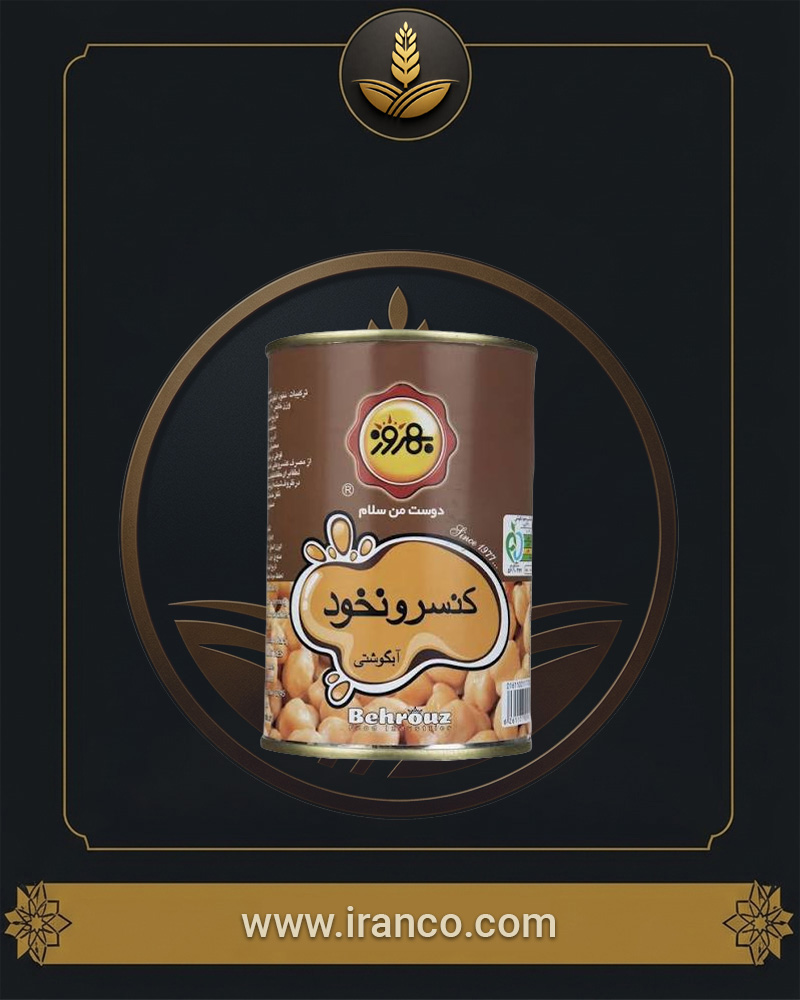
| Behrouz | Sauces, canned goods, pickles and related products |
| Yek-o-Yek | Canned goods, tomato paste and other food products |
| Delpazir | Sauces, tomato paste and canned products |
| Golestan | Tea, rice and packaged food products |
| Saharkhiz | Saffron and related products |
| Samaneh | Saffron and related products |
This table is a map of market diversity. Choosing a supplier among these names or regional producers depends on the product required, delivery terms and the buyer’s criteria. Reputation starts the review; real product specifications form the basis of the final decision.
Kalleh: Product Breadth in the Dairy Market
Kalleh’s basket includes groups such as milk, yogurt, cheese, cream, butter, kashk, ice cream and desserts. The presence of many cheese types and differentiated products shows how dairy markets expand beyond daily staples. In such a basket, understanding each product’s application matters for the buyer.
Breakfast cheese and cheese used in cooking do not meet the same need. Variety creates commercial value when buyers understand application differences and can find the right product at the right time. That underlines the importance of product education and supply-network management.
Pegah: A Production Network Across Regions
Pegah is known through a set of manufacturing companies in different provinces. That structure illustrates regional presence in an industry where access to raw milk and consumer markets matters. Product variety at each unit should be assessed against that company’s own basket.
Powdered products and dairy ingredients sit alongside household goods in this space. Serving both consumer and industrial markets requires different sales approaches. Industrial buyers focus more on technical specifications, delivery volume and lot consistency.
Mihan and Other Names in the Ice-Cream Market
Mihan, Domino and Pak are recognised names in ice cream and dairy. Reviewing this market shows that production quality and availability at the point of purchase are interdependent. Product must be available under the right conditions when demand arises.
Flavour, shape and size variety are the visible side of competition. Behind that variety sit decisions on ingredient supply, moulding equipment, packaging and holding capacity. Successful management of this branch treats production and distribution as one coordinated system.
Zar Macaron, Tak Macaron and Mana
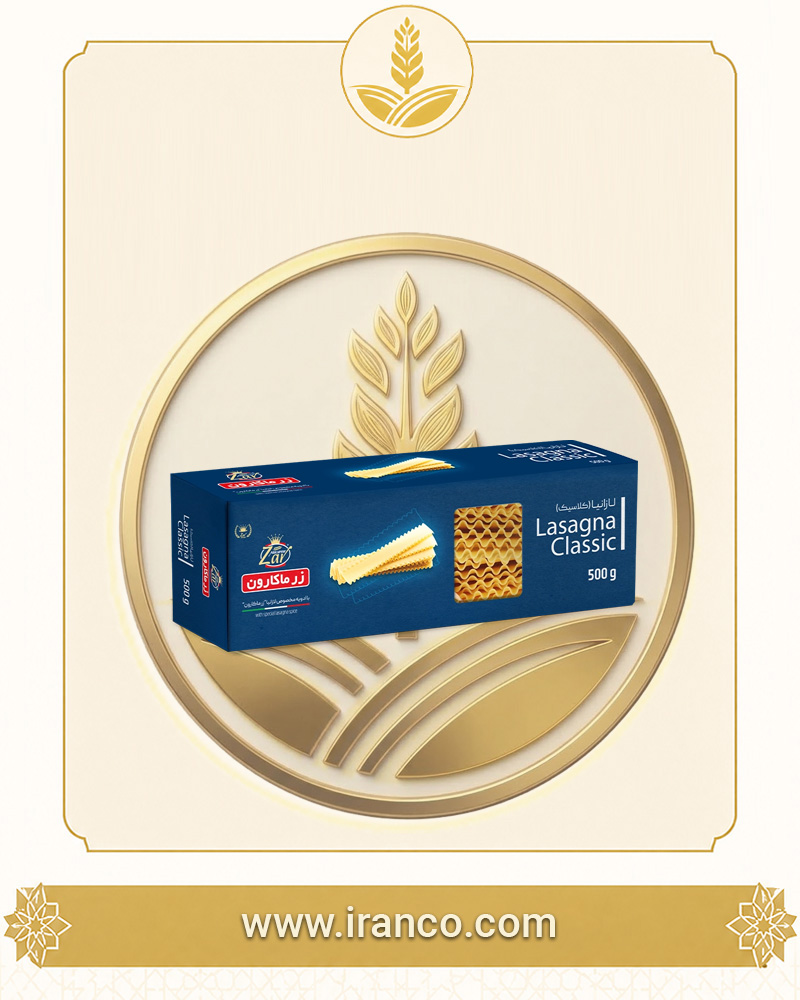
These names matter for understanding Iran’s pasta market. Products range from standard shapes to more diverse formats and formulations. Zar Macaron’s basket has been presented with groups such as short-cut pasta, long pasta, lasagna, flour and cake powder.
For buyers, shape difference is only part of the comparison. Cooking quality, pack weight, transit durability and fit with the intended dish also matter. In institutional buying, cooking consistency and portion control directly affect kitchen cost.
Shirin Asal, Shoniz, Aidin, Minoo and Gorji
These names represent parts of Iran’s broad confectionery, chocolate and biscuit market. Shirin Asal has presented a basket including biscuits, cake, chocolate and other food groups. Other names in this space also hold recognition among buyers through their products and market presence.
In this group, everyday purchase, hospitality and gifting are three different consumption occasions. Manufacturers must define suitable size, appearance and price for each. An economy multipack and a gift pack may use similar product yet need different design and sales paths.
Mahram, Behrouz, Yek-o-Yek and Delpazir
Sauces, tomato paste, pickles and canned goods are where these recognised names compete. Brand value in this market is tied to familiar flavour and repeatability. Consumers expect the next purchase to deliver the same use and quality.
Selling to restaurants and foodservice operators raises further issues. Container type, ease of emptying, residual product in the pack and performance in recipes all affect selection. These details mark the difference between simply selling a commodity and answering a professional customer’s need precisely.
The Geography of Iran’s Food Industry
Food-factory location is shaped by four main factors: access to raw materials, proximity to markets, transport options and production infrastructure. The weight of each factor differs by sector. For perishable processing, closeness to production sources matters more; for bulky, high-volume goods, distance to market is also decisive.
| Region | Sample recognised agricultural & food strengths |
|---|---|
| Tehran, Alborz & Qazvin | Diverse food production, packaging, warehousing and distribution |
| Mazandaran, Gilan & Golestan | Dairy, rice, tea, citrus and agricultural processing |
| East & West Azerbaijan | Confectionery and chocolate, dairy and fruit processing |
| Razavi & South Khorasan | Saffron, barberry and related agricultural and food products |
| Isfahan & central provinces | Dairy, cereals, confectionery and support industries |
| Fars & Khuzestan | Cereals, orchard crops, dates and processing industries |
| Kerman & Yazd | Pistachios, dates in producing areas and local confectionery |
| Hormozgan & Bushehr | Seafood, dates and services linked to maritime trade |
Northern Iran: Linking Agriculture and Processing
The north combines rice, tea, citrus, livestock and food-industry activity. That mix supports rice mills, tea processing, dairy plants and fruit-processing units. Each province and county should be viewed separately; northern Iran is not uniform in crops or production structure.
Amol is associated with Kalleh in dairy recognition, while Gilan is linked to tea and rice. In these regions, moisture, warehousing and transport management matter for many products. Proximity to raw materials is useful only when holding capacity and sales routes develop in parallel.
Tehran, Alborz and Qazvin: Market Access and Services
Population density, road networks and industrial services make this zone important for food production and distribution. Factories have access to consumer markets, skilled labour, packaging producers and maintenance services. Those links make coordination between production and sales easier.
On the other side, land cost, traffic and infrastructure pressure affect site evaluation. Location choice should rest on total costs. Geographic proximity to customers is an advantage only when actual delivery time and operating cost are also favourable.
The Northwest: Confectionery, Dairy and Fruit Processing
Tabriz holds a prominent place in public recognition of confectionery and chocolate. Groups such as Shirin Asal, Shoniz and Aidin form part of the region’s industrial identity. Concentration of skills, suppliers and production experience supports related activity.
In West Azerbaijan, orchards provide an important base for fruit processing. Juice, concentrate, dried fruit and similar products convert orchard output into storable goods. Seasonal purchasing plans and warehouse capacity matter for using that capacity well.
Khorasan, the Centre and the South: Diverse Advantages
Khorasan is known for products such as saffron and barberry. In these groups, cleaning, authenticity, grading and professional presentation carry high value. Understanding consumer markets and industrial applications helps expand sales beyond standard packs.
Isfahan and the central provinces combine dairy, cereal, confectionery and industrial services. In Fars and Khuzestan, agricultural diversity supports processing industries. Kerman with pistachios and dates in relevant areas, and southern coastal provinces with seafood and maritime trade, complete another part of the national food map.
This spread shows that no single template fits every province. Each region’s plan should start from available crops, resource constraints and accessible markets. A factory aligned with those three factors has a clearer economic foundation.
Quality and Safety: A Distinction That Must Stay Clear
Quality refers to attributes such as flavour, colour, texture, weight and uniformity. Safety concerns control of hazards that threaten consumer health. A pleasant-tasting product is not judged safe merely because of appearance and taste. Both topics must be assessed together with appropriate methods.
Control starts with raw materials and continues through production. Equipment hygiene, water quality, path separation, staff training and correct storage are part of daily plant work. Finished-product testing alone cannot replace process management; problems should be identified and controlled at the point where they arise.
Frameworks such as food safety management and hazard analysis help organise these activities. Their practical value lies in consistent execution, record-keeping and correcting root causes. Certificates matter when real plant performance matches them.
Traceability also matters. A manufacturer should be able to show which raw materials went into each product lot and which customers received it. That information makes complaint handling and corrective action more precise and keeps the scope of a problem clear.
Packaging: Part of the Product Itself
Packaging is not only for shelf appeal. Its job is to protect the product, ease handling and use, and carry information. An unsuitable container can undo good production quality. Pack choice must match the food’s sensitivity to light, moisture, oxygen, impact and temperature.
Primary packaging contacts the food; secondary packs enable transport and stacking. Carton strength, palletisation and durability in transit matter for wholesale sales. Checking packs only inside the plant is not enough; real warehouse and distribution conditions must also be considered.
Readable information also affects trust. Exact product name, ingredients, net weight, storage conditions and usage instructions must be clear. Busy design that hides essential information makes the consumer’s job harder. Effective design goes with easy understanding.
Pack size should answer the consumption occasion. A small pack lowers the payment per purchase; a large pack advantages high-volume users. The right decision weighs packaging cost, consumption speed and the risk of leftover product after opening.
Warehousing, Cold Storage and Transport
Each food group has its own holding requirements. Chilled dairy, frozen meals, oil, flour and dried fruit cannot be managed with one fixed pattern. Temperature, humidity, ventilation, hygiene and holding time must match product characteristics. Labelled instructions for that item are the basis of operations.
In the cold chain, maintaining suitable conditions along the full route matters. Loading, vehicle stops and store delivery are points that need management. A good plant cold store does not compensate for poor holding later. Responsibilities among chain parties must be clear.
In the warehouse, releasing goods by remaining shelf life helps prevent waste. Inventory records are incomplete if they only count cartons; production lots and related dates must also be known. That discipline makes sales planning and discrepancy handling easier.
Distribution cost depends on stop count, customer distance, order volume and delivery window. Combining orders well and designing routes affects landed cost. Sales growth is valuable when the cost of getting goods to the customer is also controlled.
The Domestic Market: Households, Retail and Institutional Buyers
The food market comprises several buyer groups. Households watch price, flavour, availability and pack size. Retailers assess stock turn and supply terms. Restaurants and industrial kitchens examine product performance and cost per portion. Manufacturers must align their message and offer with each group.
In the household market, trust is built by repeating a good experience. Advertising may encourage a first purchase, but the next buy depends on consumption result. Noticeable changes in quality, weight or pack-opening experience affect customer perception. Consistency is one of a food brand’s core assets.
For retailers, reliable supply and management of slow movers matter. Too many SKUs without enough demand occupy shelf space. Effective cooperation between manufacturer and distributor should focus on real sales to consumers; goods leaving the factory are not the end of the sales job.
In institutional sales, sampling and use trials play an important role. Cheese should be tested in the intended dish, flour on the customer’s line and sauce under kitchen conditions. Technical specifications are complete only when they connect to real-use results.
How Is Cost of Goods Formed?
Raw-material price is only one cost component. Packaging, energy, labour, maintenance, transport, waste and financing costs also shape the result. In some products, a change in container or film price can pressure margins as much as a change in the main food ingredient.
Production yield is especially important. If a given quantity of raw material yields less sellable product, unit cost rises. Controlling loss, correct machine settings and fewer line stops are practical ways to improve this. Raising line speed without protecting quality does not necessarily improve economic yield.
Profit should be calculated after discounts, returns and collection cost. Credit sales with long receipt cycles tie up more capital. Two customers with the same purchase amount therefore do not necessarily create the same profit. Sales-contract quality is part of profit management.
When comparing supplier prices, the basis must be the same. Net weight, quality grade, pack type, delivery terms and payment period all affect price. A lower figure on a quote has little meaning without clarity on those points.
Food Export: From Market Knowledge to Repeat Orders
Iran’s geography supports review of neighbouring markets. Iraq, Afghanistan, the Persian Gulf states, Central Asia and the Caucasus are among destinations examined for different food groups. Fit between each product and each destination must be assessed separately; route proximity alone does not guarantee success.
- Knowing the customer and sales channel: Taste, preferred pack size, label language and price tier differ by market. Target-customer selection comes before designing an export offer.
- Product and destination requirements: Composition, labelling, documents and entry conditions must match the trade route. Production and shipping timing must also leave enough commercial shelf life on arrival.
- Export pricing: Packaging, inland transport, documentation, handling and costs linked to the delivery term all enter the calculation. Clear responsibilities reduce disputes over damage, delay and extra cost.
- Repeat orders: Buyers must receive the same quality, specifications and delivery discipline again. Stable distributor relationships, complaint handling and inventory coordination turn a one-off deal into lasting market presence.
How Do You Choose the Right Supplier?
Selection starts with a precise needs definition. Phrases such as “good tomato paste” or “economy cheese” are not enough for professional buying. Application, weight, pack type, order quantity and storage conditions must be clear. Comparable offers can then be placed side by side.
Samples should represent real production. Reviewing one good sample without confidence in the consistency of later lots gives an incomplete picture. Delivery history, responsiveness, lot recording and discrepancy handling show how ready a supplier is for ongoing cooperation.
| Review criterion | Buyer’s key question |
|---|---|
| Product specifications | Does the goods match the required application and quality? |
| Production consistency | Will later lots match the approved sample? |
| Delivery capacity | What volume can be delivered in what timeframe? |
| Packaging | Is the pack suitable for the transport route and usage method? |
| Shelf life | How much commercial life remains at delivery? |
| Payment terms | How is payment aligned with delivery and goods acceptance? |
| Discrepancy handling | What is the method for review, replacement or compensation of non-conforming goods? |
The contract should record the results of these reviews. Product, quantity, timing, delivery place and acceptance criteria must not stay vague. Clarity at the start of cooperation prevents later dispute costs and makes production and purchasing planning more precise.
Main Challenges in Iran’s Food Industry
Input volatility and pressure on working capital
Factories spend on raw materials, packaging and operations before sales receipts arrive. The gap between purchasing and collection creates working-capital need. Rising input prices enlarge that need even if production volume is unchanged. Liquidity management must sit alongside sales management.
Seasonal buying adds its own pressure. Producers of tomato paste, concentrate or some dried products must secure raw material at the right time. Financing plans, warehouse capacity and sales contracts should be aligned before the season starts. Late decisions reduce the factory’s room to choose.
Water, energy and production stops
Washing, heating, cooling and steam generation are essential in many food plants. Stable access to water and energy is directly tied to continued production. Monitoring consumption and identifying waste points both cut cost and reduce operational dependence on excess use.
Preventive maintenance, insulation, leak control and heat recovery where suitable are paths to better efficiency. Each action should be measured before and after. Plants see real progress when they relate consumption to sellable product volume.
Resource limits and changing agricultural conditions
The food industry depends on farm conditions. Changes in water access, harvest timing and crop quality affect plant plans. Long-term cooperation with growers and sensible diversification of supply sources help manage that dependence.
Expanding plant capacity should match real raw-material supply capability. Having land or machines alone is not enough reason to raise output. Water demand along the chain and regional agricultural sustainability are part of the project’s economic assessment.
Equipment, spare parts and workforce skill
Failure of a small part at a critical point can stop an entire line. Knowing essential spare parts, maintenance planning and access to skilled technicians matter for continuity. Equipment purchase decisions should also cover maintenance cost and serviceability.
Staff training is operational capital. An operator who understands why settings matter and what error signals mean diagnoses problems faster. Recording working experience and training new staff reduces plant dependence on the oral knowledge of a few people.
Price competition and weaker purchasing power
Price pressure forces manufacturers to revisit pack size, product mix and operating cost. Cost reduction must preserve declared specifications. Hidden quality cuts erode customer trust and raise the cost of rebuilding the brand.
An effective response is precise knowledge of buyer need. Sometimes a smaller pack, sometimes a simpler product and sometimes cutting unnecessary distribution cost improve access. Decisions should rest on real buying behaviour, not merely copying competitors’ moves.
What Does Innovation Mean in the Food Industry?
Innovation does not always mean inventing a wholly new product. Easier pack opening, less breakage, better flavour consistency or simpler preparation create value for customers. The starting point is observing a problem that consumers or industrial buyers face.
Formula changes must be assessed for flavour, texture, shelf life and manufacturability. A product that works only in a lab sample is not yet ready for market. Pilot runs and performance checks at real scale bridge the gap between idea and launch.
Attention to composition and information transparency is also an important development field. Designing options that differ in sugar, salt, fat or serving size must come with real specifications and accurate communication. On-pack claims must be measurable and match the product itself.
Limited initial sales provide valuable feedback. Repeat-purchase rates, consumer comments and return levels show where the product stands. National rollout decisions should follow those signals so expansion cost has a real foundation.
Data and Technology in Plant and Sales Management
Production records are the basis of precise decision-making. Input quantity, good product, waste, machine downtime and energy use must be recorded with shared definitions. When each department reports different numbers, finding the cause of problems becomes hard. Agreement on measurement methods is a prerequisite for useful software.
In sales, data by product and by distribution channel matter. Overall averages can hide slow-moving SKUs or high-cost regions. Separate review of sales volume, returns and collection time gives a clearer picture of profitability.
Demand-forecast tools help only when base data are sound. Occasions, season, price changes and store inventory affect orders. Combining sales-team experience with recorded information brings production plans closer to the market and reduces aimless stock build-up.
Reducing Waste and Using Resources Better
Waste arises at many points: damage at intake, process loss, defective packs, poor storage and unsold goods reaching end of life. Reducing it requires recording location and cause separately. An aggregate waste figure without knowing the source does not show the path to correction.
Preventing defective production usually has more value than finding a secondary use for it. Machine settings, better internal handling and aligning production with orders are effective actions. Measuring actual pack weight also helps control under-fill and over-fill against target.
Some sound side streams become raw materials with suitable processing. Whey, parts of fruit streams and certain usable fractions have established value paths. Application choice must rest on quality and the requirements of that use. Circular economics in food starts with precise knowledge of the material and its use route.
Business and Investment Opportunities
Opportunity is not limited to building a large factory. Specialised packaging, laboratory services, cold storage, equipment maintenance and professional distribution are also real chain needs. Field choice should match skill, capital, market and customer access. Project size does not replace demand understanding.
Processing near the production source is worth examining when market and supply are sufficient. Cleaning and grading, industrial ingredient manufacture and packaging suited to use each require different capital and know-how. Process selection should start from buyer need.
Contract manufacturing for another brand is another form of cooperation. In that model, the plant provides production capacity and the counterpart provides sales and brand management. Product specifications, pack-design ownership, minimum order and quality-control responsibility must be clear from the start.
Economic studies should test several scenarios: sales below expectation, rising raw-material cost, delayed collection and production stops. That review shows the project’s resilience. The decision basis is cash flow and sustainable sellability — not the nominal capacity printed on a machine plate.
How Is a Lasting Food Brand Built?
A food brand forms around a clear promise — familiar flavour, consistent quality, easy use or fair price. That promise must show up in the real product. Name and mark recall the experience; they do not replace it. Customers judge brand credibility through everyday consumption.
Knowing the audience prevents dilution. A brand that sends the same message to every group often builds no distinct feature in the buyer’s mind. Choosing consumption occasion and customer segment aligns decisions on product, pack and distribution.
Complaint handling is also part of brand building. Respectful review, accurate recording and root-cause correction show that the company accepts responsibility for the customer experience. Complaint data are a source for understanding product and process gaps and should feed back into production and development.
Local identity becomes valuable when paired with quality. Narratives of origin, production skill and food culture give a product character. The narrative must be clear and genuine so buyers connect the place name with the consumption experience.
Performance Indicators for a Food Business
Effective management needs a few clear, trackable indicators. Many reports without practical decisions have limited value. Each indicator should have an owner, a review cycle and a related action. The aim is early visibility of issues and course correction.
| Indicator | Management use |
|---|---|
| Raw-material yield | Review sellable product from production input |
| Line downtime | Identify equipment, setting and planning disruptions |
| Waste and returns | Locate loss in production and the market |
| On-time, in-full delivery | Measure operational credibility with customers |
| Inventory turnover | Control stock build-up and shelf-life risk |
| Receivables collection time | Manage liquidity and sales quality |
| Margin per product | Assess profit after related costs |
| Repeat purchase | Recognise real market acceptance of the product |
Indicators should be interpreted together. Rising sales with growing returns and longer collection is not necessarily progress. Cutting inventory that causes persistent stockouts also harms customers. Sound decisions keep service quality, cost and cash flow in balance.
Frequently Asked Questions About Iran’s Food Industry
What is the difference between the food industry and processing industries?
Processing industries usually focus on converting and preparing agricultural and livestock products — such as tomato paste, flour or dried fruit. The food industry is a broader concept and also covers compound products, ready meals, beverages and other foods. The two domains overlap in many activities.
Is a large brand always the best supplier?
The choice depends on the buyer’s need. Large brands offer supply breadth and market recognition; specialised or regional producers compete with flexibility, specific products and proximity to customers. Product specifications, quality consistency and cooperation terms are the basis of comparison.
What should come first when starting export?
Defining the product and target customer is the starting point. Then pack fit, transport route, destination requirements and payment terms should be reviewed. An approved sample and a controlled initial order create the basis for understanding real cooperation performance.
What is the main difference between wholesale and consumer buying?
Wholesale buying depends not only on pack quality but also on lot consistency, delivery capacity and financial terms. Professional buyers must also weigh freight cost, usage yield, shelf life and discrepancy-handling methods. Price comparison without those factors gives an incomplete picture of true cost.
What shared traits do successful food factories have?
They know their raw materials, control the process, have a defined market and take delivery commitments seriously. Production and sales data are connected, and decisions rest on real results. Consistent quality and reliable collection are two foundations of continued activity.
The Development Path for Iran’s Food Industry
Food-industry development starts with better coordination among existing links. Agriculture should connect to processing needs, production should match real demand, and distribution should protect product quality to destination. Wherever that connection is weak, resources are lost as waste, downtime or unsold goods.
For manufacturers, progress runs through precise knowledge of one market, quality stabilisation and a reliable delivery network. For buyers and exporters, choosing a disciplined partner and defining clear product specifications matter. For regional development, attention to raw materials, water, energy and market access is essential.
Iran’s food industry is a collection of plants, skills and food cultures. That capacity becomes lasting value when sound, high-quality product reaches the buyer at a fair price and the right time. The industry’s future is built by everyday decisions on quality, productivity, honest product communication and respect for customer need.
Featured Products






Related Articles



